RBI Repo Rate 2026: Reserve Bank of India Holds Repo Rate at 5.25% Amid Rising Global Uncertainty
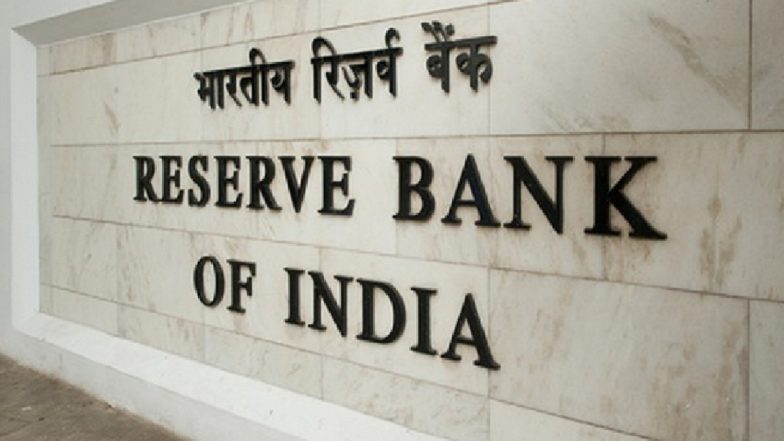
The Reserve Bank of India’s Monetary Policy Committee (MPC) has opted to keep the benchmark repo rate unchanged at 5.25 per cent, maintaining its neutral policy stance in its latest bi-monthly review concluded today. This decision, widely anticipated by market participants, signals the central bank’s cautious approach as it navigates a complex economic landscape characterised by persistent global uncertainties and emerging domestic inflationary pressures.

- Read in
- हिंदी
The Reserve Bank of India’s Monetary Policy Committee (MPC) has opted to keep the benchmark repo rate unchanged at 5.25 per cent, maintaining its neutral policy stance in its latest bi-monthly review concluded today. This decision, widely anticipated by market participants, signals the central bank’s cautious approach as it navigates a complex economic landscape characterised by persistent global uncertainties and emerging domestic inflationary pressures. The pause comes as policymakers balance robust economic growth against the looming risks of elevated energy prices and erratic monsoon patterns.
What Happened
In a unanimous decision, the six-member MPC, chaired by RBI Governor Sanjay Malhotra, concluded its three-day deliberations on June 5, 2026, by holding the policy repo rate steady at 5.25 per cent. The committee also resolved to continue with its neutral stance, indicating a readiness to respond to evolving economic data rather than committing to a specific direction for future rate actions. The Standing Deposit Facility (SDF) rate remains at 5.00 per cent, while the Marginal Standing Facility (MSF) rate and the Bank Rate stand at 5.50 per cent. RBI MPC Meet 2026: 3-Day Reserve Bank of India's Monetary Policy Committee Meeting Begins Today; Inflation, Growth in Focus
Background & Context
This period of stability follows a series of significant rate adjustments in the preceding year. The RBI had aggressively cut the repo rate by a cumulative 125 basis points (bps) throughout 2025, bringing it down from 6.50 per cent in December 2024 to the current 5.25 per cent by February 2026. These previous cuts were aimed at stimulating economic activity amidst a period of relatively contained inflation and global headwinds. However, the current geopolitical situation, particularly the ongoing conflict in West Asia, has reignited concerns about global energy prices and their potential to fuel domestic inflation. The RBI's own Monetary Policy Report had factored in crude oil at $85 per barrel for FY27, noting that a 10 per cent increase above this baseline could push inflation higher by 50 basis points and reduce growth by 15 basis points. Reserve Bank of India Announces INR 24,000 Crore Treasury Bill Auction Ahead of Monetary Policy Review.
Why It Matters
A stable repo rate translates directly to stable borrowing costs for banks, which in turn influences interest rates for various loans, including home, auto, and personal loans. For consumers, this means Equated Monthly Instalments (EMIs) are likely to remain steady, offering predictability in household budgets. Businesses will also benefit from consistent financing costs, which can support investment and expansion plans. While the decision aims to support balanced economic growth and maintain price stability, the central bank remains vigilant. Conversely, fixed deposit (FD) interest rates are also expected to remain stable, providing predictable returns for savers.
Market & Investor Reaction
Ahead of the policy announcement, market expectations largely pointed towards a status quo on rates. Equity markets may not see a significant immediate reaction to the unchanged rates. However, any revisions to inflation projections or shifts in the central bank's forward guidance could influence future market sentiment. The Indian Rupee, which has seen depreciation of over 6 per cent in 2026 — its worst performance in a decade — remains a point of focus. Traders anticipate potential interventions by the RBI to temper volatility in the currency market. In the bond market, the yield on the 10-year sovereign bond is unlikely to cross 7.15 per cent if rates are held, although concerns over future inflation could keep pressure on longer-term bonds.
Stakeholder Views
Economists and analysts largely concurred with the RBI's decision to maintain rates, acknowledging the delicate balance between growth imperatives and inflation risks. Madan Sabnavis, Chief Economist at Bank of Baroda, had earlier suggested that while the repo rate might remain unchanged, the RBI could revise its inflation forecast upwards towards 5 per cent and slightly lower its GDP growth projection to around 6.5 per cent from an earlier 6.9 per cent. Similarly, the State Bank of India's economic research department revised its full-year FY27 inflation projection to 5-5.1 per cent, citing upside risks. The construction and infrastructure sectors had expressed hopes for a stable or accommodative policy stance to support investment and project execution. These views underscore the broad consensus on the need for continued vigilance on the inflation front, especially given external shocks and domestic factors.
What to Watch Next
Several critical factors will shape the RBI's future monetary policy trajectory. The progress of the southwest monsoon season is paramount, with forecasts suggesting a potentially weaker and delayed monsoon this year. Any shortfall in rainfall could impact agricultural output and lead to higher food inflation. Global crude oil prices and the ongoing geopolitical tensions in West Asia will continue to be closely monitored for their effect on imported inflation and trade balances. Furthermore, the actions of major global central banks, particularly the US Federal Reserve, will influence capital flows and the rupee's stability. Domestically, trends in core inflation and the government's fiscal policy will also be key determinants. The RBI has projected India's real GDP growth for FY27 at 6.9 per cent, while other agencies like the UN, OECD, IMF, and Moody's have offered forecasts ranging from 6.0 per cent to 6.9 per cent, reflecting a generally resilient but globally exposed economic outlook.
The RBI's decision to hold the repo rate steady reflects a judicious wait-and-watch approach, prioritising financial stability and containing inflation risks while supporting robust economic growth. The central bank's commentary on inflation and growth projections will provide crucial insights into its readiness to act should economic conditions warrant a shift in policy, ensuring a calibrated response to both global and domestic challenges.
Disclaimer: The information provided in this article is based on news reports and is not intended as investment advice. Investing in stocks involves risk. LatestLY advises its readers to consult with a financial advisor before making any investment decisions.
(The above story first appeared on LatestLY on Jun 05, 2026 10:20 AM IST. For more news and updates on politics, world, sports, entertainment and lifestyle, log on to our website latestly.com).