'A Wall To No Nuclear Weapon!': Donald Trump Claims Iran Nuclear Deal to Be Signed Tomorrow, Says Strait of Hormuz Will Reopen Immediately
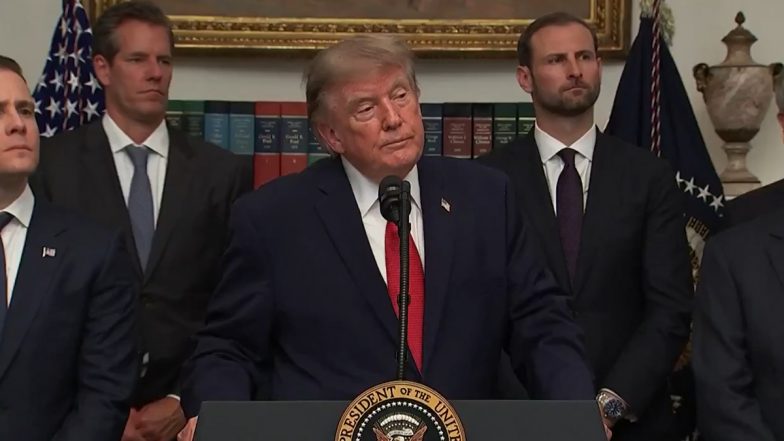
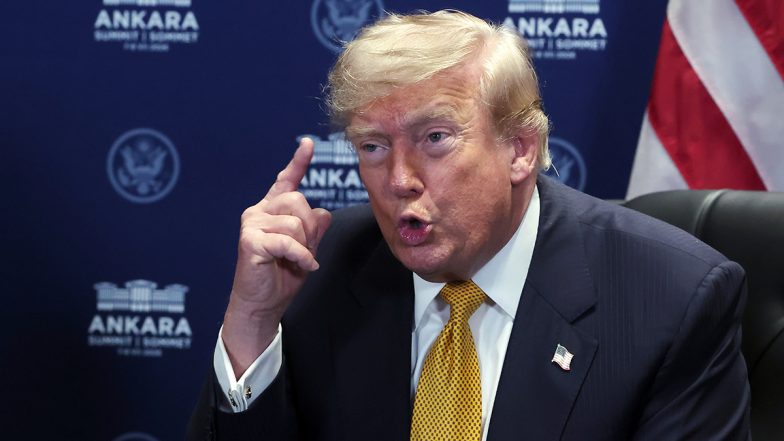
U.S. President Donald Trump announced Saturday that a new diplomatic agreement with Iran is scheduled to be signed on Sunday, June 14, promising it will permanently block Tehran from acquiring nuclear weapons and immediately reopen the strategic Strait of Hormuz to global shipping.

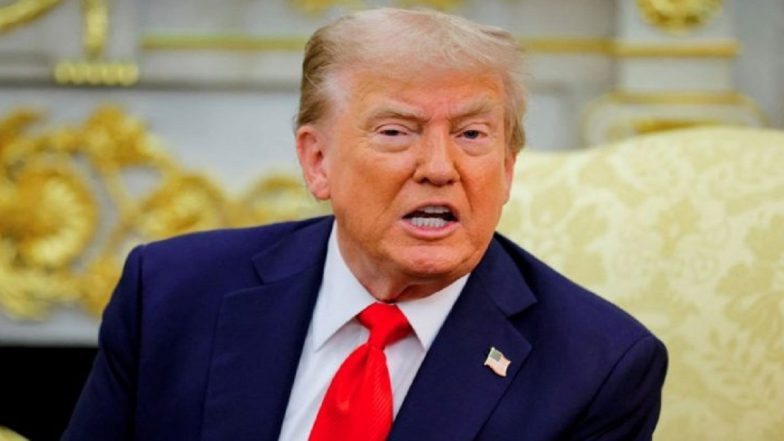
U.S. President Donald Trump announced Saturday that a new diplomatic agreement with Iran is scheduled to be signed on Sunday, June 14, promising it will permanently block Tehran from acquiring nuclear weapons and immediately reopen the strategic Strait of Hormuz to global shipping. Writing on his social media platform, Truth Social, Trump heavily criticized the 2015 Joint Comprehensive Plan of Action (JCPOA) brokered under the Obama administration, framing his emerging accord as an absolute barrier to Iranian nuclear ambitions. However, Iranian officials and regional mediators have tempered expectations, suggesting that while significant progress has been made, final conclusions have not yet been reached.
The Proposed Terms and Nuclear Material Destruction
In his statement, Trump declared his agreement to be "a wall to no nuclear weapon," asserting that Iran will no longer seek or possess a nuclear capability through development, purchase, or procurement. A key and highly unusual provision highlighted by the President involves the future retrieval and destruction of enriched uranium currently entombed beneath Iranian mountain facilities. Strait of Hormuz Crisis: Marco Rubio Warns All Ships Must Follow US Orders, Raises Iran Oil Issue With EAM S Jaishankar.
According to Trump, U.S. forces will eventually enter the secure sites when regional stability is restored to extract and neutralize the material. "At the appropriate time, when all is calm, we will go in and get the Nuclear Dust, buried deep under the powerful sunken granite mountains... and downblend and destroy it," Trump stated, attributing the underlying structural access to previous operations by U.S. B-2 bombers.
Senior U.S. administration officials speaking on the condition of anonymity confirmed that the emerging framework outlines a 60-day period following the signing to finalize technical details regarding the dismantling of Tehran’s nuclear infrastructure and the removal of highly enriched uranium.
Strategic Waterways and Financial Conditions
A central component of the breakthrough is the immediate reopening of the Strait of Hormuz, a vital maritime chokepoint for global energy supplies that has been severely disrupted by recent military hostilities. While Trump noted the strait would be "open to all" right after signing, ongoing friction remains regarding maritime governance. Iranian Foreign Minister Abbas Araghchi previously indicated that Tehran intends to implement a toll system to charge transiting vessels for "services rendered"—a measure the U.S. and its allies maintain violates international maritime law.
Trump also heavily emphasized the financial parameters of the new framework, drawing a sharp contrast to past diplomacy. He explicitly stated that "no money will exchange hands," a reference to his long-standing grievance regarding the cash transfers and sanctions relief tied to the 2015 JCPOA. Regional officials report that while the deal establishes a timeline for the eventual, phased release of frozen Iranian assets, no capital will move until Tehran strictly satisfies initial compliance demands. Iran War: What We Know So Far About the Reported US-Iran Peace Deal.
Mixed Signals Amid Fragile Diplomacy
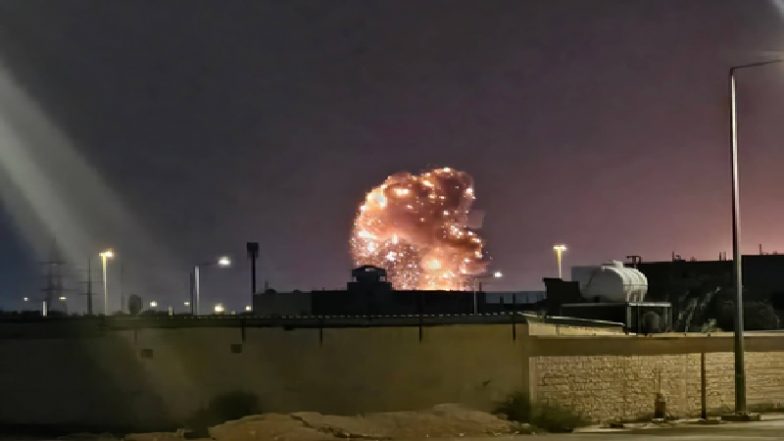
The announcement comes at a highly volatile moment. Despite a fragile ceasefire being in place since April 7, military flare-ups have continued. Just hours before the diplomatic breakthrough was proclaimed, U.S. Central Command confirmed it intercepted and shot down multiple Iranian one-way attack drones targeting commercial shipping vessels in the Strait of Hormuz.
This atmosphere of ongoing tension has led Iranian leadership to take a more guarded public stance. While international mediators—most notably Pakistan, alongside Qatar—have expressed optimism that an agreed-upon text is finalized for an electronic memorandum of understanding on Sunday, Iran's Foreign Ministry spokesperson Esmail Baghaei stated that a final conclusion has not been officially cemented.
Trump concluded his statement with an appeal for a smooth process but included a stark reminder of military deterrence, writing, "If it doesn’t [work out], we have the ultimate alternative, hopefully never to be used again!" International allies, including British Prime Minister Keir Starmer, have reportedly held discussions with the White House, welcoming the diplomatic progress while reinforcing the critical importance of restoring global freedom of navigation.
(The above story first appeared on LatestLY on Jun 13, 2026 11:34 PM IST. For more news and updates on politics, world, sports, entertainment and lifestyle, log on to our website latestly.com).