US-Israel-Iran War Update: Donald Trump and Tehran Move to Sign Historic US-Iran Peace Deal in Geneva
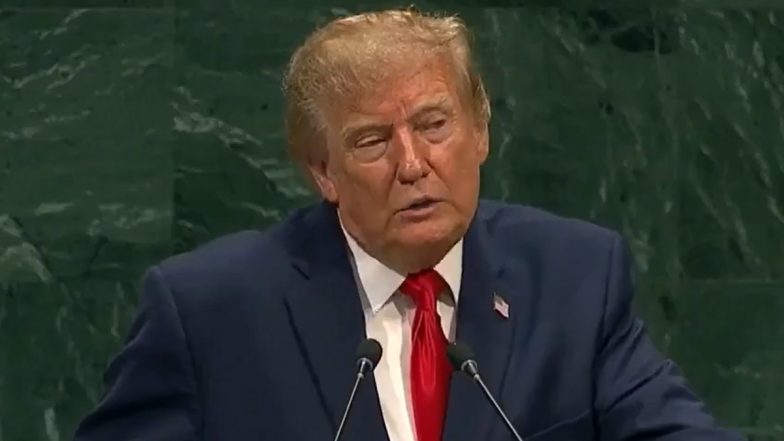
U.S. President Donald Trump announced that Washington and Tehran are close to signing a milestone agreement aimed at ending active hostilities in West Asia. Negotiators have finalized a draft Memorandum of Understanding (MoU), which has received preliminary approval from President Trump.

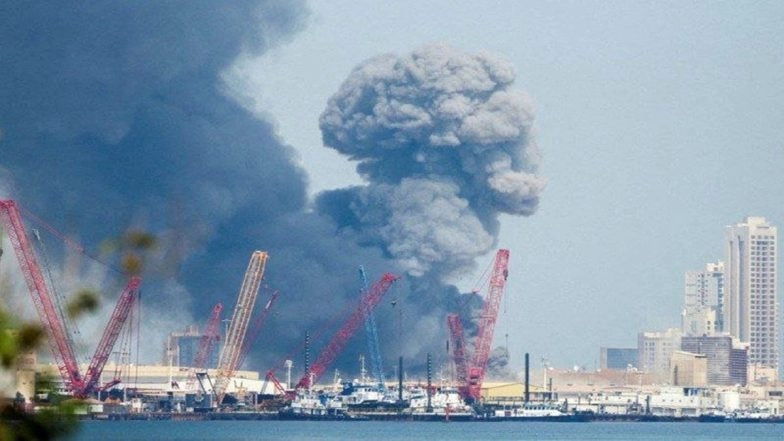
U.S. President Donald Trump announced that Washington and Tehran are close to signing a milestone agreement aimed at ending active hostilities in West Asia. Negotiators have finalized a draft Memorandum of Understanding (MoU), which has received preliminary approval from President Trump. The initial framework is expected to be signed in Geneva, Switzerland, on Sunday, establishing a foundation for a broader, long-term peace agreement that includes an extended ceasefire and the reopening of the strategic Strait of Hormuz.
The Framework of the Agreement
According to reports, the upcoming Sunday deadline aims to pave the way for a formal signing of the MoU by U.S. Vice President JD Vance and Iranian Parliament Speaker Mohammed Bagher Ghalibaf.
The preliminary framework consists of four core pillars designed to de-escalate the regional conflict:
-
A 60-day ceasefire truce: Both nations will halt military confrontations to provide diplomatic breathing room.
-
Reopening the Strait of Hormuz: The critical maritime trade choke point will be cleared for international shipping.
-
U.S. sanctions and blockade relief: Washington will withdraw its naval blockade of Iranian ports and initiate targeted sanctions relief.
-
Nuclear commitments: Iran will formally commit to never acquiring or developing nuclear weapons.
Despite the breakthrough, Iranian authorities have maintained a cautious stance. Iran's Foreign Ministry spokesperson, Esmaeil Baghaei, stated that "no final agreement" has been reached yet, emphasizing that the proposed document is under rigorous review in Tehran and that the country will not compromise on its established "red lines." Netanyahu Says Trump Assured Him Final Iran Deal Will Mandate Removal of Enriched Uranium.
Domestic Pressures and Geopolitical Friction
The diplomatic push comes as President Trump faces substantial domestic pressure to resolve the conflict. The ongoing naval blockade of the Strait of Hormuz has severely disrupted global oil supply chains, driving up domestic fuel prices in the United States. The move toward a bilateral agreement also comes amid reported friction between President Trump and Israeli Prime Minister Benjamin Netanyahu regarding the timeline and terms for concluding the military campaign against Iran. US-Iran War: Tehran Responds to Second Day of Washington Strikes by Firing at Gulf States and Jordan.
Why Geneva? The 'Capital of Peace'
While the location for the final, comprehensive treaty remains unconfirmed, Geneva has emerged as the clear venue for the initial signing. Long dubbed the "Capital of Peace," the Swiss city boasts a centuries-old reputation as a neutral ground for high-stakes international diplomacy.
Nestled near the French border, Geneva houses the United Nations' European headquarters, the Red Cross, and hundreds of global organizations. The city has a proven track record of hosting historic breakthroughs during moments of intense global friction.
Notably, Geneva hosted the 2009 and 2010 negotiations that culminated in the New START treaty between the U.S. and Russia—the last major legally binding nuclear arms control agreement between those two powers. Diplomats frequently favor the city due to the strict political discretion, highly secure environment, and institutional flexibility it provides for sensitive international statecraft.
(The above story first appeared on LatestLY on Jun 12, 2026 06:50 PM IST. For more news and updates on politics, world, sports, entertainment and lifestyle, log on to our website latestly.com).