World Sexual Health Day 2026: Why Consent Education Is Crucial for India’s Youth Amidst New Curriculum Changes
World Sexual Health Day 2026, observed on September 4, highlights the crucial need for consent education for India's youth. With the Centre's move to introduce comprehensive sex education under the NEP 2020, this article explores how understanding consent is vital for fostering healthy relationships, preventing sexual violence, and empowering a generation.

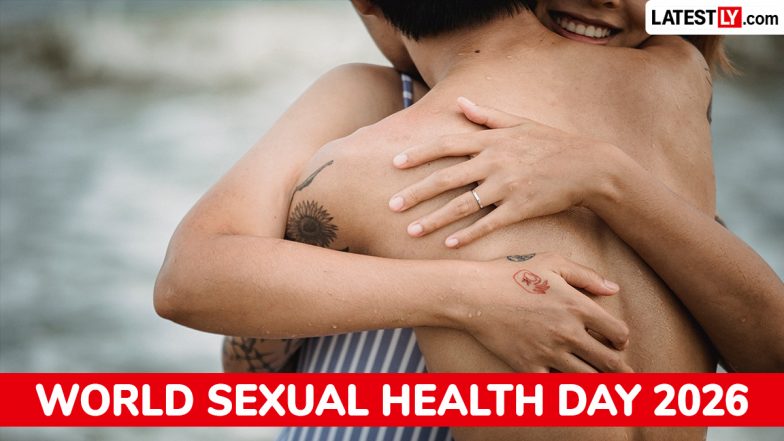
Today, September 4, 2026, marks World Sexual Health Day (WSHD), an annual global observance championed by the World Association for Sexual Health (WAS) to promote sexual health as a universal human right. This year's theme, "Every Body", powerfully declares that sexual health, rights, justice and pleasure are inherent to every person, in every body, without exception. For India, this day resonates with particular significance as the nation stands on the cusp of introducing comprehensive sexuality education in its schools, a move poised to fundamentally reshape how its youth understand their bodies, relationships, and, critically, the concept of consent.
Unpacking 'Every Body' and Global Sexual Health
The "Every Body' theme for WSHD 2026 is a call for inclusivity, equity, and respect for diverse experiences, encouraging open, informed, and stigma-free conversations around sexual well-being. Since its inception in 2010, World Sexual Health Day has aimed to dismantle social and cultural taboos surrounding sexuality, advocating for accurate information and services worldwide. The World Association for Sexual Health specifically urges governments and organizations to promote consent as a fundamental aspect of sexual rights, a crucial message that aligns perfectly with India's ongoing educational reforms.
India's Progressive Step Towards Comprehensive Sexuality Education
In a landmark development earlier this year, the Central government informed the Supreme Court in July 2026 of its acceptance of recommendations to introduce "comprehensive sex education" in schools and colleges across India. This significant policy shift, which awaits final Supreme Court approval for nationwide implementation, is a direct response to rising concerns over minor pregnancies and the criminalisation of consensual adolescent relationships under the POCSO Act.
Aligned with the National Education Policy (NEP) 2020, the new curriculum is designed to be age-appropriate and delivered through a graded approach. It will begin from the foundational stages (Class 6 onwards) with lessons on body awareness, hygiene, and the critical distinction between safe and unsafe touch, progressively covering adolescent health, responsible decision-making, and importantly, consent, in higher classes. States like Karnataka, with plans announced in early 2025, have begun rolling out structured sexuality education from the 2025-2026 academic year, setting a precedent for this national endeavor.
Why Consent Education is a Game-Changer for India's Youth
The integration of consent education into India's school curriculum is not merely an academic update; it is a vital safeguard and an empowerment tool for the nation's youth. Studies have highlighted that a significant percentage of young Mumbaikars, for instance, are hesitant to express, seek, or withdraw consent in relationships. This lack of clear understanding is a societal concern that often contributes to sexual abuse, early pregnancies, and the spread of sexually transmitted infections.
Consent, at its core, is about respect, autonomy, and communication - foundational elements for healthy relationships. Teaching children and adolescents about consent from an early age equips them with the ability to recognise unsafe situations, establish personal boundaries, and seek help when necessary. As the United Nations and global health agencies consistently reiterate, age-appropriate sexuality education empowers young people to protect their health, well-being, and dignity.
For India, where societal taboos often prevent open discussions around sexuality, integrating consent education is a crucial step towards fostering a generation that values respectful interactions and understands bodily integrity as an uncompromisable right.
While challenges in implementation and societal acceptance remain, the commitment to comprehensive sexuality education, with consent at its heart, marks a transformative moment for India. On World Sexual Health Day 2026, as we reflect on the "Every Body" theme, the emphasis on empowering India's youth with consent education stands as a beacon of hope for a future defined by respect, agency, and well-being.
(The above story first appeared on LatestLY on Sep 04, 2026 11:27 AM IST. For more news and updates on politics, world, sports, entertainment and lifestyle, log on to our website latestly.com).