What is Brain Rot? Know All About the Digital Phenomenon Affecting Gen Z and Kids; Know Causes and Cure
The term "brain rot" reflects the growing influence of short-form content, online slang and memes on young people's digital culture. While such trends can foster creativity and generational identity, excessive screen time may affect sleep, focus and memory. Experts recommend balancing digital use with reading, sports and offline activities.


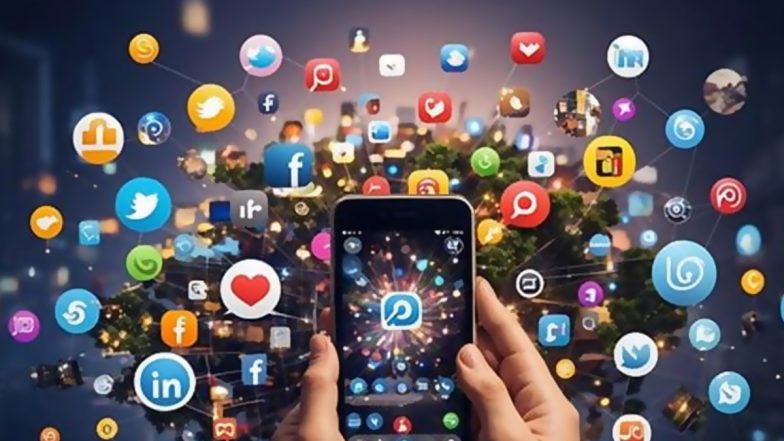
The modern digital landscape has introduced a peculiar linguistic phenomenon known widely as brain rot, characterized by repetitive online slang, absurd memes, and short-form video consumption. Oxford University Press named the term its 2024 Word of the Year, highlighting how rapidly digital culture has permeated everyday language among young generations across the globe, including in the Middle East.
While parents often view these trends with confusion or concern, social specialists note that this evolving slang serves primarily as a form of social currency and generational identity. Young internet users absorb global memes and reshape them through local dialects, sarcasm, and regional humor, transforming passive consumption into a unique form of digital remixing and creative expression. Gen Z Uses AI More Than Older Workers, Yet Feels More Worried About It: Report.
As per a report by Arab News, experts emphasize that children and teenagers are drawn to these rapid stimuli because platforms are specifically engineered to capture attention. However, excessive consumption can lead to social withdrawal, disrupted sleep patterns, and a general difficulty in maintaining focus on slower, goal-directed activities such as reading or formal studying.
Cognitive Impact of Short-Form Content
The psychological and neurological implications of prolonged short-video consumption have drawn significant attention from researchers studying digital habits. Fast-paced, fragmented media delivery models have been linked to distinct changes in cognitive processing and information retention among regular users.
As per a report by Medscape, functional MRI studies indicate that exposure to continuous short-form content can impair memory retrieval and weaken functional connectivity within brain networks responsible for visual, attentional, and cognitive control. Reduced activation in specific brain regions suggests that fragmented media interferes with deep semantic processing and cohesive memory formation compared to longer, narrative-driven content.
Managing Screen Time and Finding Balance
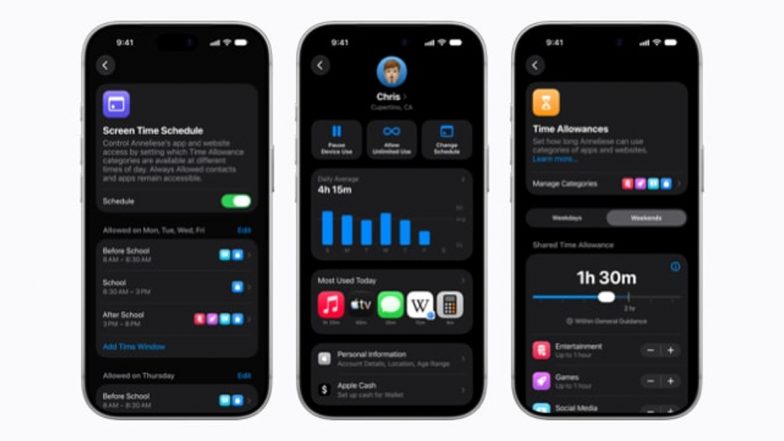
Addressing the challenges posed by hyper-stimulating digital environments requires active guidance rather than outright prohibitions. Specialists recommend that parents and educators foster open discussions with youngsters to help them recognize how algorithms and engagement loops operate. Gen Z Rewrites Workplace Rules by Balancing Security and Personal Life: Report.
Encouraging a healthy lifestyle balance remains essential for long-term cognitive development. Integrating offline activities such as sports, creative arts, reading, and structured learning helps ensure that young people develop robust attention spans and strong communication skills outside the digital sphere.
(The above story first appeared on LatestLY on Sep 07, 2026 04:23 PM IST. For more news and updates on politics, world, sports, entertainment and lifestyle, log on to our website latestly.com).