EU Pressures Apple and Google to Open Smartphones to Third-Party AI
The EU is forcing Apple and Google to open their smartphone platforms to third-party AI assistants under the Digital Markets Act. While the EU seeks to boost competition, both companies warn that granting external agents deep device access creates severe security and privacy risks. Check more details here.

The European Commission is intensifying its regulatory oversight of the artificial intelligence sector, directly challenging the dominance of Apple and Google over smartphone AI assistants. By leveraging the Digital Markets Act (DMA), the EU aims to ensure that third-party AI agents receive prominent and functional access to Android and iOS devices, aiming to foster competition beyond the tech giants' own services, such as Gemini and Siri.
As per a report by BNN Bloomberg, the European Commission’s mandate requires Google to provide broader access for third-party AI agents on Android by July 2027. Additionally, the EU has directed Google to begin sharing specific search data with external search engines and AI chatbots starting in January to facilitate a more level playing field. China Bans AI Chatbots Promoting Emotional Dependency to Boost Birth Rate, Introduces Stringent Regulations.
Privacy and Security Concerns
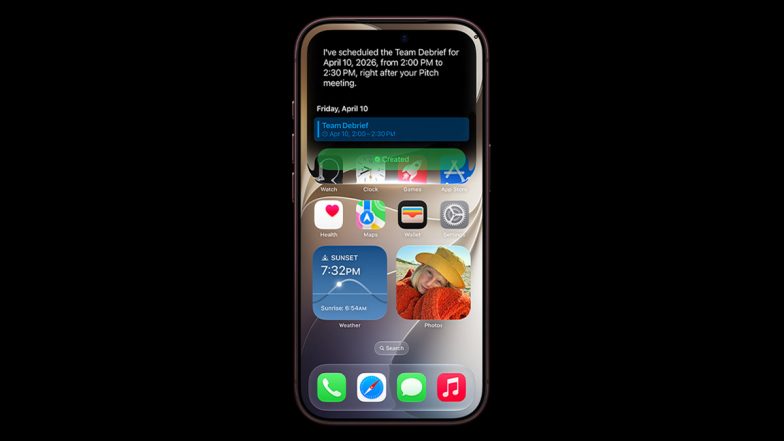
Both Apple and Google have strongly resisted these measures, arguing that providing external services with deep access to their operating systems poses significant risks to user privacy and device security. Apple has previously indicated that these regulatory requirements would compel the company to grant virtual assistants direct access to sensitive user data, leading the firm to withhold its new Siri AI features from EU devices.
Google executives have echoed these sentiments, with Kent Walker, president of global affairs, stating that sharing search data and granting device-level permissions could endanger national security and compromise business trade secrets. Despite these objections, the European Commission maintains that "gatekeeper" companies under the DMA are fully capable of implementing appropriate security and privacy safeguards to protect users.
Broader Implications for AI Competition
The conflict highlights the ongoing tension between regulatory efforts to promote competition and the industry's focus on data protection. Analysts note that should the EU succeed in opening these platforms, it could significantly alter the influence Apple and Google hold over their software ecosystems. There are concerns, however, that without robust built-in protections, granting third-party apps deep access to smartphone functions, such as messages, location, and microphone inputs, could expose users to new security vulnerabilities. WhatsApp Beta Update: Meta-Owned Platform Rolls Out Username Feature and Multi-Account Support.
While proponents argue that these changes are necessary to provide consumers with a wider, more feature-rich range of AI options, experts remain divided on whether privacy concerns are the primary motivation for the tech giants' pushback. As the standoff continues, the outcome will likely set a significant precedent for how AI agents interact with personal devices on a global scale.
(The above story first appeared on LatestLY on Jul 19, 2026 07:03 PM IST. For more news and updates on politics, world, sports, entertainment and lifestyle, log on to our website latestly.com).