How Human Urine at Mount Everest Base Camp Is Adding to Glacier Melt? New Study Explains
A new study finds human activity at Everest Base Camp may be adding to the melting of the Khumbu Glacier. Fossil fuel use and human urinary discharge generated enough heat during the 2023 climbing season to potentially melt around 2,492 tonnes of ice, while Base Camp is warming twice as fast as the glacier.

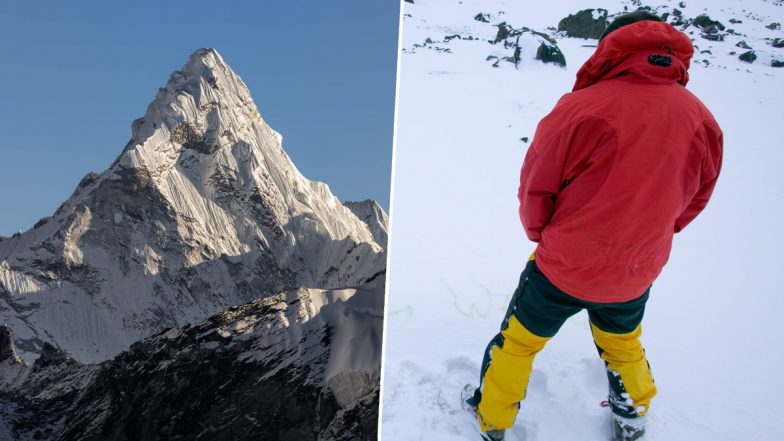
Everest Base Camp is facing a surprising new environmental threat, with a new study finding that human activity at the world's highest mountain may be contributing to the melting of the Khumbu Glacier. Researchers estimate that heat generated by fossil fuel use and human urinary discharge during the climbing season could have been enough to melt about 2,492 ± 528 tonnes of glacier ice and snow.
Published in Regional Environmental Change, the study examined the impact of human activity at Everest Base Camp alongside global climate change. Researchers focused on three key factors: rising temperatures linked to climate change, heat and energy released through fossil fuel consumption, and heat associated with human urination at the camp.
The findings suggest that the environmental pressure on the Khumbu Glacier is not coming only from global warming. The increasingly crowded conditions at Everest Base Camp are also creating local impacts that could add to the glacier's vulnerability. Greenland Ice Melting Four Times Faster Than Expected: Study.
Everest Base Camp Is Warming Twice As Fast
An international team of researchers conducted fieldwork at Everest Base Camp during the spring 2023 climbing season. The team examined energy released through activities at the camp, including the use of liquefied petroleum gas, kerosene and petrol.
These fuels are used for cooking, heating and electricity generation at the temporary settlement. Researchers also included the heat associated with human urinary discharge when estimating the total energy released through activities at the Base Camp. As Glaciers Melt, Can Communities Be Protected?
The researchers estimated that these activities released a total of 849,174 ± 179,774 megajoules of heat energy during the spring 2023 season.
According to their calculations, that amount of energy could theoretically melt approximately 2,492 ± 528 tonnes of glacier ice and snow.
The finding does not suggest that human activity is responsible for all of the melting occurring around Mount Everest. Climate change remains a major driver of Himalayan glacier loss. However, the study highlights how concentrated human activity can create an additional local environmental burden.
How Fast Is Everest Base Camp Warming?
The researchers also examined temperature changes around Everest Base Camp over more than three decades using satellite observations.
They analysed Landsat 5, Landsat 7 and Landsat 9 data covering the period from 1991 to 2023.
The 32-year satellite record showed that the surface temperature at Everest Base Camp increased by approximately 0.28°C per year.
The study found that the warming rate at Base Camp was roughly twice that recorded on the surface of the nearby Khumbu Glacier. It was also about 15% higher than the warming observed in the debris-covered terrain immediately north of the Base Camp.
The results point to a particularly rapid increase in surface temperatures in the area occupied by the Base Camp.
Why Human Activity At Everest Base Camp Matters
Everest Base Camp is no longer simply a staging point for a relatively small number of mountaineers. During the climbing season, it becomes a temporary settlement filled with climbers, trekkers, guides, porters and support workers.
The growing number of people means greater demand for food, heating, lighting and electricity. Meeting those needs requires fuel, much of which produces heat and greenhouse gas emissions.
The study therefore examined the combined effect of these activities rather than looking at climate change in isolation.
Human urine was also included in the researchers' calculations, making it one of the more unusual factors examined in the study. The heat associated with urinary discharge was considered alongside the energy released by fossil fuel use to estimate the overall heat generated by human activity at the Base Camp.
Everest Base Camp Sits On The Glacier
The location of the Base Camp itself adds to the environmental concern.
The existing Everest Base Camp is situated on a supraglacial site, meaning it lies directly on the glacier. As temperatures rise and the glacier becomes increasingly unstable, maintaining a large temporary settlement on the ice could become more difficult.
The researchers examined possible alternatives if relocation becomes necessary.
They identified two potential sites southwest of the current Everest Base Camp. Unlike the existing location, the proposed sites are situated on stable ground rather than directly on the glacier.
A move could potentially reduce some of the environmental and logistical risks associated with maintaining the Base Camp on an increasingly vulnerable glacial surface.
Climate Change Remains The Bigger Threat
The study does not argue that crowds at Everest Base Camp are replacing climate change as the primary cause of glacier melt.
Instead, it adds another layer to the growing environmental concerns surrounding the world's highest mountain.
The Himalayas are already experiencing significant effects from rising global temperatures. The study suggests that the local concentration of people, fuel consumption and other activities at Everest Base Camp can create additional heat and environmental pressure on the glacier.
With Mount Everest attracting increasing numbers of climbers and visitors, the findings raise questions about how the region's tourism and mountaineering infrastructure should be managed in the future.
For a landscape as fragile as the Khumbu region, even relatively local sources of heat and environmental stress could become increasingly important as global temperatures continue to rise.
(The above story first appeared on LatestLY on Sep 04, 2026 08:53 PM IST. For more news and updates on politics, world, sports, entertainment and lifestyle, log on to our website latestly.com).