AMD CEO Lisa Su Tells Graduates To Focus on Human Judgment, Purpose Instead of Just Learning AI Tools
AMD CEO Lisa Su urged MIT graduates to prioritise human judgment, purpose, and problem-solving over mere technical proficiency in AI tools. While AI skills are increasingly sought by employers, Su argued that professionals must retain responsibility for decision-making and ethical outcomes.

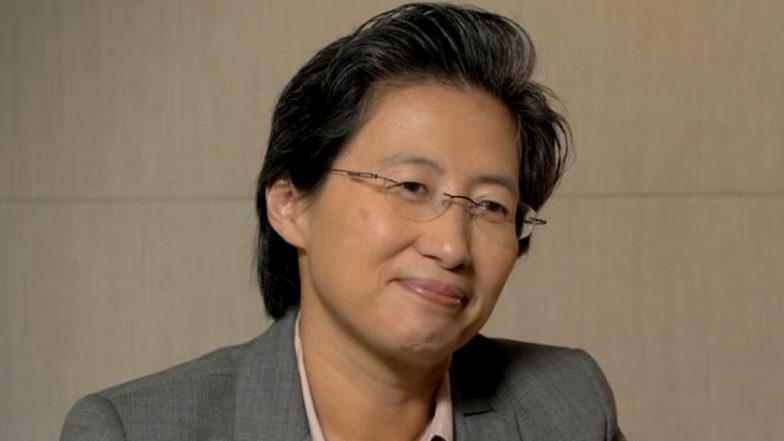
AMD Chief Executive Officer Lisa Su has offered a strategic perspective to graduates entering an increasingly automated workforce, urging them to focus on purpose and problem-solving rather than solely on technical proficiency with artificial intelligence tools. Addressing the MIT Class of 2026 at their commencement ceremony, Su emphasised that while AI skills are in high demand, the true value of future professionals lies in their ability to determine where and why these powerful technologies should be applied.
Human Judgment in the Era of Artificial Intelligence
During her address, Su acknowledged the transformative potential of AI to accelerate advancements in critical sectors such as healthcare, energy, and climate science. However, she cautioned that technology alone cannot define the future or prioritise which societal challenges warrant attention. She noted that human professionals remain essential for making complex judgments when data is inconclusive and for taking full responsibility for the resulting outcomes. Odisha: Intel and 3D Glass Solutions Sign MOU to Explore Advanced Semiconductor Packaging Facility in State.
Su’s perspective aligns with comments from other industry leaders, including Nvidia CEO Jensen Huang and OpenAI CEO Sam Altman, who have both stressed that technical knowledge must be paired with human traits like creativity, taste, and sound decision-making. Su argued that the current shift toward AI-driven discovery is unique due to its capacity to expedite progress across multiple scientific and industrial fields simultaneously.
The Evolving Landscape of AI-Related Employment
The call for purpose-driven leadership comes at a time when employers are aggressively seeking workers with specific AI expertise. Data from labour market analytics firm Lightcast highlights a significant rise in AI-related job requirements, with postings mentioning generative AI skills increasing from approximately 16,000 in 2024 to more than 66,000 in the same period. Listings referencing large language models and prompt engineering have also seen substantial growth. AI-Driven Layoffs: Wix and Other Tech Giants Cite Artificial Intelligence as Motivation for Workforce Reductions Amid ‘AI Washing’.
Despite the rising demand for these technical capabilities, Su maintains that the most successful change-makers will be those who can approach difficult problems with courage and a clear sense of direction. By focusing on these human-centric attributes, graduates can navigate the evolving technological landscape while ensuring that AI serves as a tool to enhance human capability rather than a replacement for critical thought and accountability.
(The above story first appeared on LatestLY on Jun 01, 2026 08:51 AM IST. For more news and updates on politics, world, sports, entertainment and lifestyle, log on to our website latestly.com).