Iran Plans Exclusion Zone Near Strait of Hormuz After US Strikes 3 Oil Tankers
Iran announced plans on Sunday, September 6, 2026, to establish a maritime "exclusion zone" near the Strait of Hormuz, threatening sanctions against commercial vessels passing through the vital waterway.

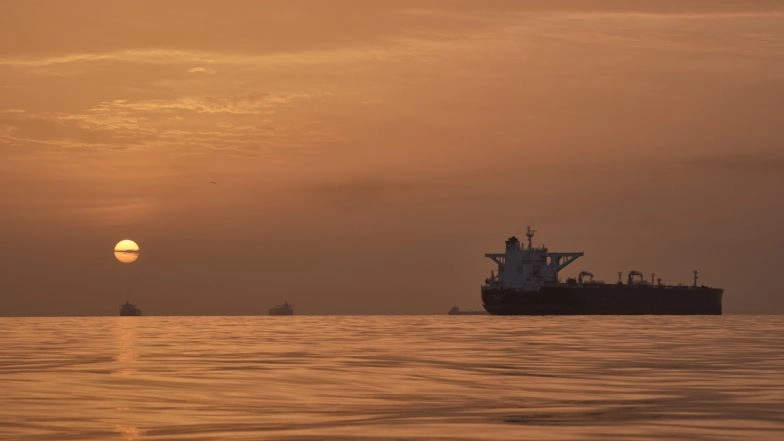
Iran has announced plans to establish an "exclusion zone" near the Strait of Hormuz, escalating tensions with the United States after US forces struck three Iranian oil tankers in response to missile attacks on American warships, India Today reported.
Mohsen Rezaei, Iran's new national security chief, said the proposed zone would cover an area extending from the line of the US naval blockade towards the Strait of Hormuz and into the Persian Gulf. He did not provide precise details about the boundaries or when the restrictions would take effect. Iran Hits US Warships With Ballistic Missiles, US Strikes 3 Iranian Oil Tankers in Response.
Iran Warns Vessels Over Planned Zone
Rezaei said Iran would announce the exclusion zone in the coming days and weeks and warned that vessels identified as entering the area with the intention of passing through the Strait of Hormuz could face Iranian restrictions.
"Any ship that enters this area with the intention of passing through the Strait of Hormuz and is identified will be placed on our sanctions list," Rezaei said, according to Iranian state media. Donald Trump Warns US Could Strike Iran’s Deeply Buried ‘Pickaxe Mountain’ Nuclear Facility.
The announcement comes as Tehran and Washington continue to exchange military and economic pressure in and around one of the world's most important shipping routes.
US Strikes Iranian Tankers
The latest escalation followed US strikes on three Iranian oil tankers on Saturday. The US military said the action came after Iran launched ballistic missile attacks against American warships. Iran's Islamic Revolutionary Guard Corps said it retaliated by targeting vessels in and around the Strait of Hormuz, as well as US vessels in other areas. Iran also claimed on Sunday that it had struck an unmanned US vessel attempting to enter the strait, a claim the US military rejected as false. The exchange marked a significant escalation after the US and Iran resumed attacks last week following about a month of relative calm.
US Naval Blockade Adds to Pressure
The US has maintained a naval blockade aimed at preventing Iran from exporting oil and increasing economic pressure on Tehran following the collapse of negotiations.nAccording to the India Today report, the US military has said that more than 20 warships are supporting the blockade, which had redirected dozens of commercial vessels and disabled three ships.
Iran, meanwhile, has continued to target some vessels attempting to transit the strategically important waterway, using the Strait of Hormuz as a key point of leverage in its confrontation with Washington.
Oil Prices Rise as Shipping Traffic Declines
The growing conflict has raised concerns about disruptions to global energy supplies. Oil prices extended their gains on Monday, with Brent crude rising to about $96.80 a barrel and US West Texas Intermediate reaching $92.14, according to Reuters.
Shipping traffic through the Strait of Hormuz has also fallen sharply. Data from analytics firm Kpler showed that an average of 10 commodity ships had transited the waterway daily over the previous 10 days, the lowest level since May.
Vital route for global energy supplies
The Strait of Hormuz is one of the world's most strategically important maritime routes and is crucial for global oil and natural gas supplies.
The waterway has become a central flashpoint in the wider US-Iran confrontation, with military attacks, shipping restrictions and economic measures adding to concerns about a prolonged disruption in the region.
Diplomatic efforts have also shown little progress. Rezaei said Iran had become increasingly wary of mediators after previous agreements with Washington collapsed and that Tehran was now seeking diplomacy backed by stronger guarantees.
With both sides continuing military and economic pressure, the situation around the Strait of Hormuz remains closely watched for further escalation and its potential impact on global energy markets.
(The above story first appeared on LatestLY on Sep 07, 2026 08:44 AM IST. For more news and updates on politics, world, sports, entertainment and lifestyle, log on to our website latestly.com).