Why Nepal Banned Indian Mango Imports
Nepal's restriction on Indian mango imports is aimed at promoting local agricultural production and reducing concerns over fruit quality, but traders warn of supply shortages and higher prices. The move comes as Japan has also suspended Indian mango imports after identifying deficiencies in export treatment procedures. Together, the developments highlight growing challenges for India's mango trade at home and abroad.

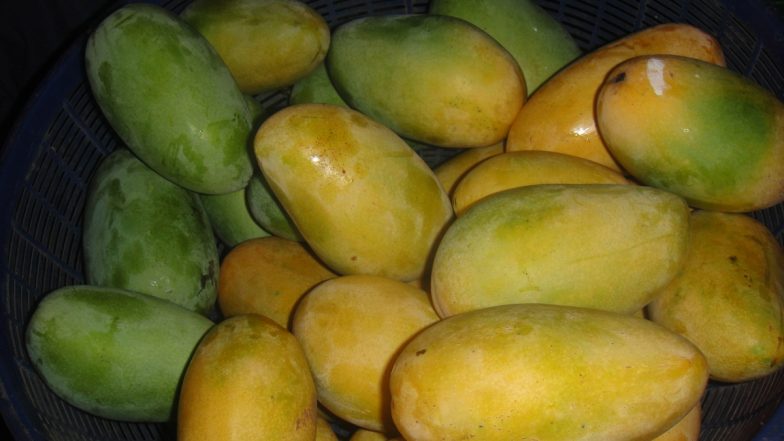
Nepal's recent restriction on the import of mangoes and several other fruits from India is beginning to reshape local markets, with traders warning of potential shortages and rising prices even as authorities promote the move as a boost for domestic agriculture. The decision comes at a time when India is also facing scrutiny from another key market, with Japan recently suspending imports of Indian mangoes over concerns related to export treatment procedures.
Markets in Janakpurdham and other parts of Nepal are now largely stocked with locally grown mangoes following the federal government's decision to restrict imports from India. While officials say the measure will encourage local production and provide consumers with healthier produce, traders argue that the sudden implementation has disrupted supply chains and created uncertainty for businesses that depend on year-round fruit trade. Why Japan Has Banned Import of Mangoes From India.
Nepal Mango Ban
Nepal bans Indian mangoes
Kathmandu's Ministry of Agriculture and Livestock Development has imposed a complete import ban on Indian mangoes, enforced since April-May at quarantine checkpoints
Excessive chemical pesticide residues were detected in imported consignments. Nepal… pic.twitter.com/6U0H5bOJo1
— Nabila Jamal (@nabilajamal_) June 8, 2026
Why Nepal Restricted Indian Mangoes
According to officials in Madhes Province, the restriction is intended to promote domestic agricultural production and reduce dependence on imported fruits during the local harvest season.
Manish Kumar Pal, spokesperson for the Ministry of Land Management, Agriculture and Cooperatives of Madhes Province, said the move would create opportunities for consumers to access locally grown produce. Mango Cargo: How a Cult-favorite Fruit from Gujarat Conquered London Heathrow.
He noted that pesticide-contaminated mangoes had occasionally entered markets in previous years and said the decision would provide additional support to local farmers.
“The federal government’s decision will provide additional encouragement to local production, while citizens will have access to healthier and safer produce,” Pal said. The government has also highlighted its ongoing efforts to strengthen agriculture through subsidies and support programmes aimed at increasing domestic output.
Despite supporting the goal of promoting local produce, fruit traders say the restriction was implemented without sufficient preparation. Mangoes remain one of the most sought-after fruits during the summer season, and traders fear local production alone may not be enough to satisfy demand.
According to Bhuvaneshwar Purbe, general secretary of the Fruit and Vegetable Traders’ Association in Janakpurdham, more than 50 tonnes of mangoes arrive daily from districts including Saptari, Siraha, Mahottari, Dhanusha and Sarlahi. However, he said Nepal's mango season lasts only about two months, making Indian imports important for maintaining supply throughout the year.
“Our businesses operate throughout the year,” he said. “If trade is limited only to the Nepali fruit season and remains inactive during the rest of the year, it could seriously affect us.” Purbe suggested that authorities strengthen quarantine checks and quality testing rather than impose a complete restriction on imports.
Traders have also reported higher banana prices following the disruption, noting that Nepal often relies on Indian imports during periods when domestic production falls short.
The restriction has sparked concerns among consumers as fruit prices rise. Residents say the cost of mangoes and bananas has increased in recent weeks. According to consumers, bananas had reached as high as INR 300 per dozen about a month ago and are currently selling for around INR 200 per dozen.
Fruit sellers warn that if the restrictions remain in place for an extended period, both traders and consumers could face growing challenges, including supply shortages and higher costs. They also fear the impact could spread beyond Janakpurdham to several districts across Madhes Province.
Japan's Recent Suspension of Indian Mango Imports
Nepal's move comes as India faces a separate challenge in the international market. Japan recently suspended imports of Indian mangoes after quarantine inspectors identified deficiencies related to fumigation and disinfection procedures at a Vapour Heat Treatment (VHT) facility in Uttar Pradesh during an inspection conducted in March 2026.
The Yokohama Plant Protection Association subsequently announced that Indian mango shipments carrying inspection certificates issued after March 25, 2026, would no longer be accepted until compliance standards are restored. Japanese authorities maintain a strict zero-tolerance policy toward pests such as fruit flies, which can pose risks to domestic agriculture.
Why the Japan Ban Matters
Although Japan accounts for only a small share of India's total mango exports, the market is considered strategically important because of its stringent quality standards and premium pricing.
India exported approximately 43.08 metric tonnes of mangoes to Japan during the first two quarters of 2024, while total mango exports exceeded 22,000 tonnes globally in 2022-23. Industry experts say the financial impact of the suspension is manageable, but the reputational implications are more significant.
Being approved for export to Japan is often viewed as a quality benchmark that helps exporters gain access to other premium international markets. As a result, exporters are concerned that the suspension could raise broader questions about India's quality-control and compliance systems.
While Nepal's restriction is aimed at supporting local farmers and encouraging domestic consumption, traders warn that the success of the policy will depend on whether local producers can consistently meet demand.
At the same time, India's export sector is working to address concerns raised by Japanese authorities in hopes of restoring access to one of its most quality-conscious overseas markets. For now, both developments underscore the growing importance of agricultural quality standards, supply chain planning and market access in the global fruit trade.
(The above story first appeared on LatestLY on Jun 09, 2026 10:49 AM IST. For more news and updates on politics, world, sports, entertainment and lifestyle, log on to our website latestly.com).