Transgressive, Edgy DIY: What the 90s Meant for British Art
The 1990s are remembered for Britpop and provocative fashion, but beyond the nostalgia, it was a decade of cultural experimentation and social change.

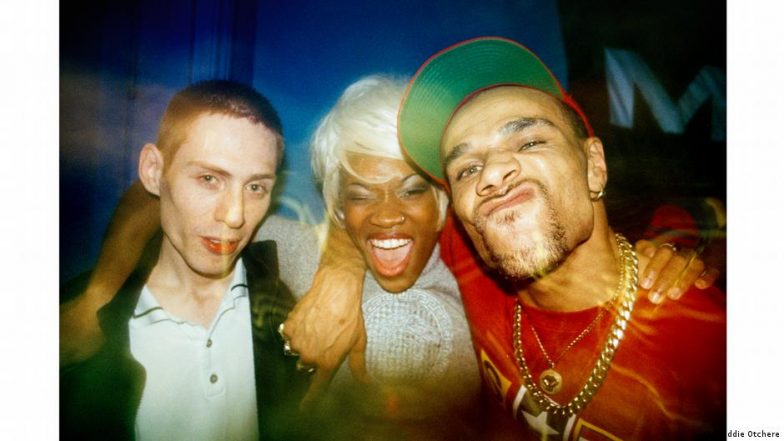
The 1990s are remembered for Britpop and provocative fashion, but beyond the nostalgia, it was a decade of cultural experimentation and social change. Tate Britain's new exhibition looks past the familiar icons.The 1990s in Britain are often remembered through a haze of n,ostalgia consisting of rave culture, Britpop and provocative art and fashion by the likes of Tracey Emin and Alexander McQueen.
Undeniably, the decade was a time of major change in British society — the long reign of Margaret Thatcher had come to an end and the West entered a period of relative post-Cold War stability.
Also Read | India News | YSRCP Urges SEC to Convene All-party Meeting on Local Body Elections.
Meanwhile, British cultural icons like Oasis, the Spice Girls and Vivienne Westwood garnered international fame.
But Tate Britain's new exhibition "The 90s: Art and Fashion," which opens on October 8 and runs through February 14, 2027, urges viewers to look beyond the familiar names and images.
Even though now prominent artists such as Damien Hirst and Juergen Teller are among the show's 70 contributors, the exhibition also aims to highlight the creative input of those in communities which were left out of the mainstream discourse.
After all, says chief curator Edward Enninful in the exhibition's program, "the energy of the 90s was not concentrated in a single movement, but distributed across communities, disciplines and geographies that have not always been equally represented."
An inclusive perspective
For Enninful, the exhibition is personal: The Ghanaian-born British fashion editor, stylist and creative director became the youngest-ever fashion director of i-D Magazine in the 90s at age 18, helping shape the diverse and experimental London fashion scene of the 1990s. He later became editor-in-chief of British Vogue in 2017.
Enninful writes that he and his co-curators aimed to present a body of work which "reflects a broader landscape of practices and voices that shaped the period, many of which operated beyond the structures of visibility at the time." The exhibition pays special attention to artists of color and women whose work was not necessarily showcased as prominently at the time.
Black masculinity became "a site of cultural negotiation" in Britain in the 90s, writes co-curator Helen Little in the program text: "Figures such as Chris Ofili, Steve McQueen, Keith Piper, Koto Bolofo and Ozwald Boateng reimagined the Black masculine, challenging the racist specter of Black men, who had been defined as part of a masculinity crisis linked to post-industrial decline and excluded from the narrative of 'Cool Britannia.'"
Just like "Swinging London" in the 1960s, "Cool Britannia" became a widespread phrase to refer to the 1990s as an era during which British youth culture, pop music, art and political optimism boomed.
DIY meets Dr. Martens
The 90s also offered artists plenty of chances to create without waiting for support from traditional gatekeepers. Britain entered the decade in recession, but that economic uncertainty also left artists free to do what they wished.
Empty buildings and industrial spaces were turned into informal venues. A 23-year-old Damien Hirst orchestrated "Freeze," a self-organized student exhibition in 1988 in a disused London warehouse. It became a landmark early art exhibition for the generation of artists known as the "Young British Artists" or YBA.
Artists Sarah Lucas and Tracey Emin opened The Shop, a temporary art gallery and social space in 1992, as a place where exhibitions could develop outside established galleries. Lucas and Emin also paved the way for women artists thanks to their deeply personal works and their edgy expressions of female liberation.
While the Spice Girls helped make feminism accessible to a younger generation of Brits in the 90s by popularizing the "girl power" slogan and shaping "identity through agency power and resistance," as argues Tate curator Helen Little, Emin and Lucas meanwhile "presented a new visual language of clothing as art to tackle societal taboos around female sexuality, vulnerability and desire" — from t-shirts with provocative slogans to a grunge look of scuffed Dr. Martens boots with razor blades. Their work "held a mirror up to gender, behavior and identity," Little writes.
Fashion and haute couture in the spotlight
At the same time, the British fashion industry came into the international spotlight.
In a feminine sensuality counter to the gender stereotypes dismissed by Emin and Lucas, waif-like Kate Moss came to represent the feminine ideal of the 1990s. Dubbed "heroin-chic," the style was an antithesis to the glamorous, athletic physiques of the supermodels who preceded her. Corinne Day's photographs of the model led to the raw aesthetic to be labelled "grunge" after the anguished style of rock music hailing from Seattle and led by Nirvana.
The trend has faced a significant cultural reexamination since: "Along with the look also came criticism that the strung-out look of drug or alcohol addiction was glamorized while encouraging serious eating disorders in a generation of young women," points out Alex Farquharson, director of the Tate Gallery in his foreword to the exhibition.
The 1990s were also an exciting era for Britain in haute couture, as legendary designers John Galliano led Diorwhile Alexander McQueen started directing Givenchy at the age of 27.
McQueen's runway presentations were more akin to performance art than commercial fashion shows — and they often included historical critiques. Among them was the famous finale of his Fall/Winter 1998 collection at a London warehouse, during which the model stood in a circle of flames. Titled "Joan," the show was a reference to the killing of Joan of Arc.
McQueen designed several other runway shows that reflected on British history, with topics of conquest and punishment repeatedly coming to the forefront. His 1995 presentation "Highland Rape" referenced the history of Scotland's subjugation, with the designer describing it as "England's rape of Scotland."
As co-curator Jessica Vaughan points out in her exhibition text: "Art, fashion and photography were not simply transgressive reactions … but reflected a genuine public unease with Britain's global identity and its past."
In a world that can now feel increasingly mediated by screens, algorithms and established platforms, the artwork of the 90s offers a reminder of the value of physical spaces and fresh DIY creativity of the last smartphone-free decade.
Edited by: Elizabeth Grenier
(The above story first appeared on LatestLY on Oct 07, 2026 09:20 PM IST. For more news and updates on politics, world, sports, entertainment and lifestyle, log on to our website latestly.com).