Hariyali Teej 2026: Date, Shubh Muhurat, Puja Vidhi, Fasting Rules and Significance
Hariyali Teej will be observed on August 15, across North India. Dedicated to Lord Shiva and Goddess Parvati, this monsoon festival involves a Nirjala Vrat (fast), traditional green attire, and community celebrations like swinging on jhulas. It honors marital devotion and the arrival of the rainy season, with specific rituals and puja timings.

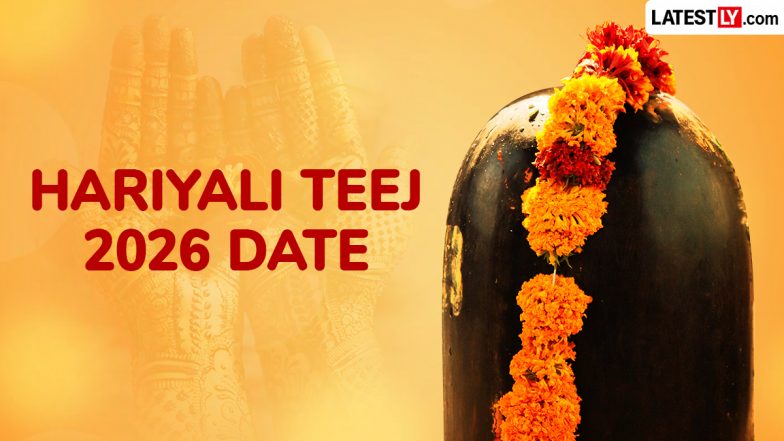
The monsoon season brings with it a wave of devotion and tradition, none more cherished than Hariyali Teej. This year, the eagerly anticipated festival falls on Saturday, August 15, promising a day filled with reverence, cultural festivities, and prayers for enduring marital happiness across North India. Dedicated to the eternal love story of Lord Shiva and Goddess Parvati, Hariyali Teej is a powerful testament to faith and devotion, particularly for women seeking blessings for their marital bliss.
Hariyali Teej 2026 Date and Auspicious Timings
For 2026, Hariyali Teej will be observed on August 15. The auspicious Tritiya Tithi, which marks the festival, spans from the evening of August 14 to the late afternoon of August 15. Devotees can plan their rituals accordingly, ensuring they partake in the sanctity of the occasion during the most favourable periods. It is advisable to consult a local Panchang for precise timings, as muhurat can vary by location. Independence Day 2026: Why 'Vande Mataram' Will Take Centre Stage at Red Fort on August 15.
Here are the specific timings:
| Event | Time (August 2026) |
|---|---|
| Tritiya Tithi Begins | 06:46 PM on August 14 |
| Tritiya Tithi Ends | 05:28 PM on August 15 |
| Pradosh Kaal Puja Muhurat | 06:38 PM – 08:51 PM on August 15 |
Significance of Hariyali Teej
Hariyali Teej, often known as "Green Teej", derives its name from the lush greenery that blankets the earth during the monsoon (Sawan) month, symbolising nature's rejuvenation, fertility, and prosperity. The festival commemorates the rigorous penance undertaken by Goddess Parvati to win Lord Shiva as her husband, ultimately leading to their divine union. It is believed that observing Hariyali Teej rituals with sincerity bestows marital happiness, ensures the long life and well-being of husbands, and for unmarried women, helps in finding a desirable life partner.
Fasting Rules and Rituals (Puja Vidhi)
Women observing Hariyali Teej undertake a stringent fast, often a Nirjala Vrat, abstaining from both food and water for the entire day. The day begins early, ideally during the Brahma Muhurat (about two hours before sunrise), with a purifying bath and adorning oneself in fresh, traditional attire, predominantly green, which is considered highly auspicious.
Key rituals for the puja include:
- Sankalp: Taking a solemn vow to observe the fast with devotion.
- Idol Worship: Creating or placing idols of Lord Shiva, Goddess Parvati, and Lord Ganesha (often made of clay).
- Offerings: Presenting sacred items like Ganga Jal, belpatra (for Lord Shiva), flowers (red for Goddess Parvati), fruits, sweets, and solah shringar items (sindoor, kumkum, mehendi, bangles, chunri, etc.) to the deities.
- Katha and Aarti: Listening to the Hariyali Teej Vrat Katha (the sacred story) and performing the Aarti (lamp ceremony).
- Breaking the Fast: The fast is traditionally broken after the evening prayers or sighting the moon.
It's important to note that while the Nirjala Vrat is widely observed, women who are unwell or pregnant are advised to prioritise their health and consult with family or spiritual guides for suitable alternatives.
Traditional Celebrations and Regional Flavours
Hariyali Teej is particularly celebrated with immense zeal across North Indian states, including Uttar Pradesh, Rajasthan, Bihar, Madhya Pradesh, Jharkhand, Haryana, and Punjab. The festival is synonymous with women adorning beautiful green attire and bangles, applying intricate mehndi designs, and joyfully swinging on elaborately decorated jhulas (swings) while singing traditional folk songs. The exchange of sindhara – gifts of sweets, bangles, and other auspicious items – between parents and their married daughters is a significant tradition.
While the core essence remains consistent, regional variations add unique charm. In some parts of Bihar and Jharkhand, it is known as Madhushravani Teej and can extend over thirteen days for newly married women. Maharashtra observes it as Shravani Teej or Hartalika Tritiya Vrat with similar fervent devotion. The city of Bundi in Rajasthan is renowned for its grand Teej processions, while Vrindavan celebrates with "Jhulla Leela", where deities are ceremonially swung. Hariyali Teej, more than just a ritual, is a joyous celebration of womanhood, nature, and the sacred bond of marriage, fostering togetherness and spiritual well-being across families. As August 15, 2026, approaches, anticipation builds for this beautiful festival of faith and vibrant traditions.
(The above story first appeared on LatestLY on Aug 13, 2026 12:37 PM IST. For more news and updates on politics, world, sports, entertainment and lifestyle, log on to our website latestly.com).