Halloween 2026: Unravelling Its Ancient Celtic Roots and Global Traditions
Discover the ancient origins of Halloween 2026, celebrated on Saturday, October 31st, tracing its lineage from the Celtic festival of Samhain to its modern global traditions. Explore how costumes, trick-or-treating, and jack-o'-lanterns evolved, and learn about its growing embrace in India, making it a truly worldwide phenomenon.

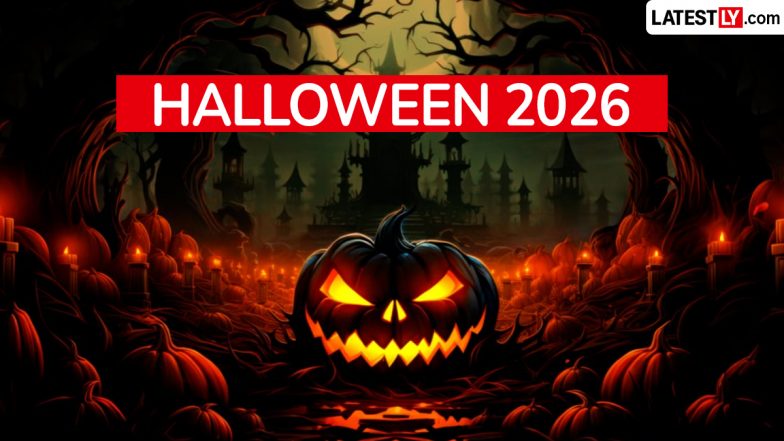
As autumn leaves turn crisp and a mystical chill fills the air, October 31st marks the arrival of Halloween, a night synonymous with costumes, candy, and all things spooky. While many associate it with American pop culture, the roots of Halloween stretch back over two millennia to ancient Celtic traditions in Ireland and parts of the United Kingdom, evolving into the globally celebrated phenomenon we see today.
Ancient Roots: The Celtic Festival of Samhain
The origins of Halloween are deeply embedded in the ancient Celtic festival of Samhain (pronounced "SAH-win"), meaning "Summer's End" in Irish Gaelic. Celebrated on the evening of October 31st and into November 1st, Samhain marked a pivotal moment in the Celtic calendar: the end of summer and the harvest, and the beginning of the dark, cold half of the year—winter. The Celts believed that during Samhain, the boundary between the worlds of the living and the dead blurred, allowing spirits, both benevolent and malevolent, to cross over and visit the earthly realm. To ward off mischievous spirits, people lit bonfires and donned elaborate costumes, often animal skins or grotesque masks, to disguise themselves or appease these supernatural entities. Halloween: The Game Developer IllFonic Removes S*x Minigame After Backlash.
From Celtic Shores to Global Shores: The Evolution of Halloween
With the spread of Christianity, Samhain traditions gradually merged with Christian observances like All Saints' Day (November 1st) and All Souls' Day (November 2nd), collectively known as Allhallowtide. The evening before All Saints' Day became known as All Hallows' Eve, eventually contracting to "Halloween." Early customs like "souling," where poor people would go door-to-door begging for food (soul cakes) in exchange for prayers for the dead, are seen as precursors to modern trick-or-treating. The tradition of carving turnips with frightening faces to ward off evil spirits eventually transitioned to pumpkins in America, where they were more abundant.
In the 19th century, Irish and Scottish immigrants brought their Halloween customs to North America, where the holiday truly began to flourish and take on many of its contemporary forms.
Trick-or-Treat! Modern Global Traditions
Halloween on Saturday, October 31, 2026, is celebrated with immense enthusiasm across many parts of the world, especially in Western countries like the United States, Canada, Ireland, and the United Kingdom. While it is not a federal or public holiday in most places, including the United States, celebrations are widespread.
Key modern traditions include:
- Costumes and Dress-Up: People of all ages dress in creative, spooky, or pop-culture-inspired outfits.
- Trick-or-Treating: Children go door-to-door in costumes, asking for candy with the phrase "trick or treat."
- Jack-o'-Lanterns: Carved pumpkins with illuminated faces are a quintessential decoration.
- Decorations: Homes and public spaces are adorned with spooky themes, including ghosts, bats, skeletons, and cobwebs.
- Parties and Events: Themed gatherings, haunted houses, and parades (like New York City's Greenwich Village Halloween Parade) are popular.
Halloween in India: A Growing Trend
While not rooted in traditional Indian culture, Halloween has steadily gained traction in recent years, particularly in metropolitan cities like Delhi, Mumbai, and Bengaluru. Influenced by Western media and global trends, younger generations are embracing the festive spirit through:
- Costume Parties: Clubs, restaurants, and hotels host elaborate Halloween-themed events where attendees dress up.
- Themed Decorations and Retail: Stores in major cities sell Halloween-themed decorations, masks, and costumes.
- Children's Activities: Some upscale residential areas and gated communities organize small-scale trick-or-treating, pumpkin carving, and face painting for children.
It's important to note that India has its own rich tapestry of festivals that honor ancestors and spirits around similar times, such as Bhoot Chaturdashi (Bengali Halloween) in West Bengal and Pitru Paksha, which resonate with similar themes of remembrance and the unseen. However, Halloween is generally celebrated in India in a more social and commercial context, distinct from these deeply traditional observances.
From its ancient Celtic beginnings to its modern-day global embrace, Halloween continues to be a fascinating blend of history, folklore, and festive revelry. This October 31st, whether you're carving a pumpkin or attending a costume party, you're partaking in a tradition that has transcended centuries and continents, bringing a touch of intriguing mystery and fun to the autumnal season.
(The above story first appeared on LatestLY on Oct 27, 2026 09:04 AM IST. For more news and updates on politics, world, sports, entertainment and lifestyle, log on to our website latestly.com).