Navratri 2026: Complete Guide to Dates, 9 Forms, Daily Colours and Significance
Sharad Navratri 2026 begins on October 11 and ends on October 19, followed by Dussehra on October 20. The festival honours the nine forms of Goddess Durga, with each day dedicated to specific spiritual attributes and traditional colours. Each day of Navratri is anchored to a specific form of Goddess Durga.

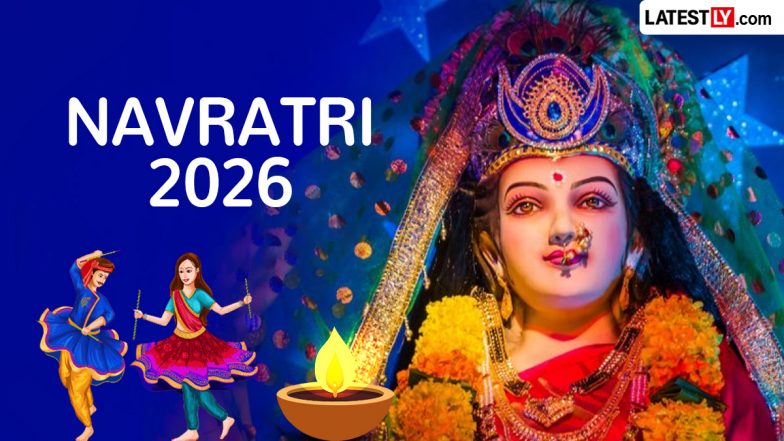
Sharad Navratri, one of the most revered Hindu festivals dedicated to the worship of Goddess Durga and her nine manifestations, is set to begin on Sunday, October 11. The nine-day festival brings together millions of devotees across India and the global diaspora for spiritual reflection, fasting, traditional prayers, and community celebrations. Running from Pratipada to Navami, the festival concludes with Vijayadashami, or Dussehra, marking the triumph of righteousness over adversity.
Festival Dates and Calendar for 2026
Sharad Navratri commences with the sacred ritual of Ghatasthapana on October 11 and concludes on October 19. The milestone celebration of Vijayadashami follows immediately on Tuesday, October 20. Throughout the nine nights, worshippers pay homage to a distinct avatar of the Navadurga on each successive day, aligning their devotions with specific traditional colours that symbolise unique cosmic energies. Vijayadashami 2026: Date, Muhurat, Aparajita Puja and Ravana Dahan.
Nine Days, Nine Forms, and Colour Significance
Each day of Navratri is anchored to a specific form of Goddess Durga, a ruling deity or cosmic principle, and a designated festival colour:
- Day 1 (October 11): Orange - Dedicated to Maa Shailputri, the daughter of the Himalayas. Orange signifies warmth, energy, and enthusiasm, setting a vibrant tone for the start of the festival.
- Day 2 (October 12): White - Dedicated to Maa Brahmacharini, representing deep devotion, penance, and spiritual discipline. White symbolises peace, purity, and serenity.
- Day 3 (October 13): Red - Dedicated to Maa Chandraghanta, the embodiment of bravery and courage. Red denotes passion, vitality, and fierce protection.
- Day 4 (October 14): Royal Blue — Dedicated to Maa Kushmanda, believed to be the creator of the universe. Royal blue stands for divine calm, strength, and depth.
- Day 5 (October 15): Yellow - Dedicated to Maa Skandamata, the motherly form of the Goddess. Yellow reflects optimism, cheerfulness, and boundless joy.
- Day 6 (October 16): Green - Dedicated to Maa Katyayani, who represents fierce justice and power. Green signifies nature, growth, and new beginnings.
- Day 7 (October 17): Grey - Dedicated to Maa Kalaratri, the fiercest form of the Goddess who destroys negativity. Grey represents balanced thought and quiet, grounded strength.
- Day 8 (October 18): Purple - Dedicated to Maa Mahagauri, symbolising supreme purity and intelligence. Purple conveys ambition, nobility, and spiritual fulfillment.
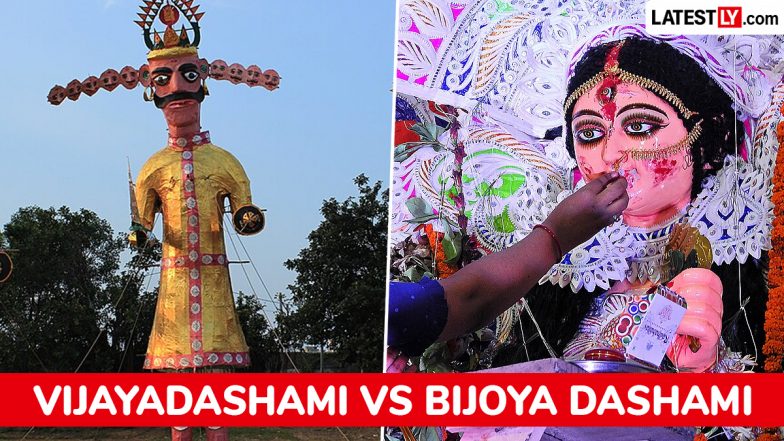
- Day 9 (October 19): Peacock Green - Dedicated to Maa Siddhidatri, the bestower of supernatural capabilities and wisdom. Peacock green encapsulates fulfilment, grace, and completion. Vijayadashami vs Bijoya Dashami: Why Some States Celebrate Dussehra on October 21 This Year.
Cultural and Spiritual Significance
Navratri translates literally to "nine nights" in Sanskrit (nava meaning nine and ratri meaning night). Beyond religious observances, the festival holds deep philosophical meaning, representing the cyclical battle between good and evil, light and darkness, and the awakening of inner spiritual consciousness. In northern and western states, devotees observe rigorous fasts, visit temples, and perform community dances like Garba and Dandiya. In eastern regions, particularly West Bengal, the final days merge into vibrant Durga Puja pandal hops and cultural gatherings, culminating in the ceremonial immersion of idols on Dashami.
(The above story first appeared on LatestLY on Oct 09, 2026 11:57 AM IST. For more news and updates on politics, world, sports, entertainment and lifestyle, log on to our website latestly.com).