Congress Slams Modi Government After Reuters Report Reveals Move Toward Potential UPI Transaction Fees
India has moved to introduce merchant fees on UPI via amendments to the payments laws, as per Reuters, sparking sharp criticism from Congress. While small transactions remain untouched, the plan proposes an MDR for larger merchants. 'Soon, a fee might be levied on UPI payments over 2,000 rupees from you,' Congress said.

- Read in
- हिंदी
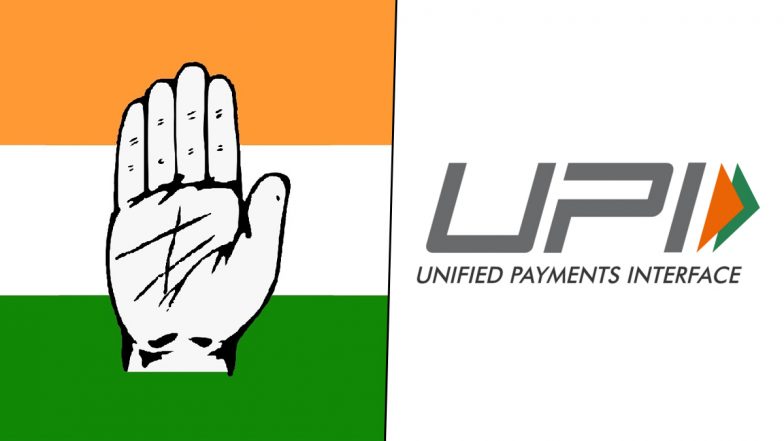
According to a Reuters report, India has moved a step closer to reintroducing merchant fees on transactions made through its popular Unified Payments Interface (UPI) after proposed changes to the country's payments laws were introduced in parliament on Tuesday, August 4. The legislative move has immediately drawn sharp criticism from the opposition Congress party, which slammed the government over the potential introduction of fees on digital transactions.
UPI, one of the world's largest real-time payments networks, processed 23.6 billion transactions worth 29.9 trillion rupees (USD 313.5 billion) in July, according to official data. Walmart's PhonePe and Alphabet's Google Pay currently dominate payments via the platform. What Are Benefits of Taxation and Other Laws 'Amendment' Bill 2026 For UPI? Know All About Proposed Overhaul.
Modi Has Made a Plan To Cut Into Your Pocket, Says Congress
मोदी ने आपकी जेब काटने का प्लान बना लिया है।
जल्द ही आपसे 2,000 रुपए से ज्यादा के UPI पेमेंट पर वसूली की जा सकती है।
लोग पहले ही महंगाई से परेशान हैं, लेकिन नरेंद्र मोदी को उससे फर्क नहीं पड़ता। वो नए-नए प्लान लाकर आपकी पाई-पाई निचोड़ लेना चाहते हैं।
मोदी का फंडा साफ है: जनता… pic.twitter.com/4nSxYJJpoT
— Congress (@INCIndia) August 5, 2026
Opposition Backlash and Political Reactions
Following the introduction of the bill, the Indian National Congress strongly slammed the central government, taking to the social media platform X to criticise the move. The opposition party accused the administration of burdening citizens and undermining the digital economy framework that had previously flourished under a zero-fee structure. In a post on X (formerly Twitter), Congress said that PM Narendra Modi has made a plan to cut into people's pockets.
"Soon, a fee might be levied on UPI payments over 2,000 rupees from you. People are already troubled by inflation, but Narendra Modi doesn't care about that. He wants to squeeze every penny out of you by bringing in one new plan after another," the post read. The grand old party further added, " Modi's mantra is clear: Let the people keep dying - the fleecing must go on. Industry executives, meanwhile, have long argued that growth in digital payments has become harder to sustain because payment firms earn no fee on UPI transactions, limiting their ability to invest in ecosystem security and infrastructure.
Proposed Structure of the Merchant Discount Rate (MDR)
An amendment to India's Payment and Settlement Systems Act, tabled in parliament by Finance Minister Nirmala Sitharaman, would allow the introduction of a merchant discount rate (MDR) on digital payments, according to industry and regulatory sources, reports Reuters. The sources said the change creates a legal basis for charging an MDR, but no decision has yet been made on the level of fees or where they would apply. The finance ministry, central bank, and national payments authority did not immediately respond to requests for comment.
An MDR is a fee paid by merchants to banks and payments service providers for processing digital transactions. While credit cards in India typically attract an MDR of about 1.5 per cent and debit cards up to 0.9 per cent, UPI transactions are currently free for merchants. Charges on UPI Transactions Above INR 2,000? Know About the Proposed PSS Act Amendments.
Thresholds and Exemptions Under Consideration
Policymakers are considering two broad options, according to sources with direct knowledge of the matter: charging an MDR on transactions above a specified threshold or levying fees based on a merchant's annual turnover. The government is considering a proposal to impose an MDR of 0.3 per cent to 0.5 per cent on transactions above 2,000 rupees (USD 20.97) for merchants with annual turnover exceeding 15 million rupees, according to a government source. A report released by Jefferies noted that transactions above 2,000 rupees account for just 4 per cent of merchant payment volumes but about 67 per cent of transaction value, suggesting the fees would target larger commercial operations while keeping routine person-to-person and small business payments untouched.
(The above story first appeared on LatestLY on Aug 05, 2026 04:42 PM IST. For more news and updates on politics, world, sports, entertainment and lifestyle, log on to our website latestly.com).