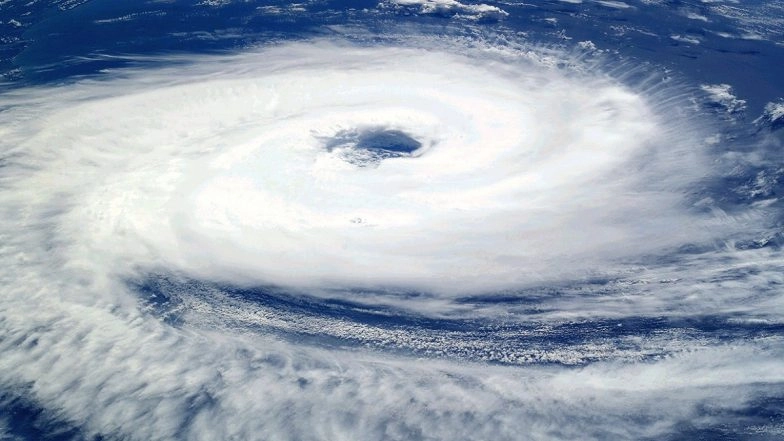
Cyclone Arnab Turns Deadly in Andhra Pradesh; 3 Killed, 31 Houses Damaged as Storm Batters Coastal Districts
Cyclone Arnab made landfall along the Andhra Pradesh coast early on Wednesday, October 28, bringing heavy rainfall, strong winds and disruption to several coastal districts.


Cyclone Arnab made landfall along the Andhra Pradesh coast early on Wednesday, October 28, bringing heavy rainfall, strong winds and disruption to several coastal districts. The India Meteorological Department (IMD) classified the storm as a very severe cyclonic storm, with sustained winds forecast at 115–125 kmph and gusts reaching 140 kmph or higher in some areas. More than 84,000 people had been moved to shelters in Andhra Pradesh, while authorities continued to monitor the risk of flooding, infrastructure damage and further rainfall.
Landfall Near Narsapur
Cyclone Arnab's landfall process began during the early hours of Wednesday along the Andhra Pradesh and Yanam coastline, south of Yanam. The storm was reported near Narsapur in West Godavari district, with its centre remaining close to the coast during the initial phase of landfall. The IMD warned that the cyclone could bring destructive winds, heavy to extremely heavy rainfall and coastal inundation in vulnerable areas. The storm's slow movement near the coast also raised concerns about prolonged exposure to strong winds and rain. 3 Dead, 55,000 Eveacuated in Andhra Pradesh Because of Cyclone Arnab: NDRF.
Andhra Pradesh Cyclone Alert: Over 84,000 People Evacuated
Andhra Pradesh authorities moved more than 84,000 people to designated shelters as the cyclone approached. Chief Minister N Chandrababu Naidu urged residents in affected coastal districts to remain indoors and follow official safety instructions. According to reports, 290 cyclone shelters had been established to accommodate displaced residents. Disaster response teams were prepared to assist with evacuations, rescue operations and the restoration of essential services.
Cyclone Arnab Makes Landfall in Andhra Pradesh
#CycloneArnab crossed the coast in #AndhraPradesh this morning.
Visuals show strong winds blowing at a speed of 150 km/h. https://t.co/FsFu4389TD
— Siraj Noorani (@sirajnoorani) October 28, 2026
Eight districts, including Kakinada, Konaseema, East Godavari, West Godavari, Eluru, Krishna, NTR and Polavaram, faced heavy rain and strong winds. Reports also indicated that some old and unoccupied buildings had collapsed.
Heavy Rain and Winds Up to 140 Kmph
The IMD forecast sustained wind speeds of 115–125 kmph, with gusts reaching 140 kmph as Cyclone Arnab crossed the coast. Some subsequent updates reported stronger gusts during the landfall phase. Heavy to extremely heavy rainfall was expected across parts of coastal Andhra Pradesh and neighbouring regions. The weather system was also expected to influence conditions in southern Odisha and Telangana, with further rainfall possible in parts of central India. Cyclone Arnab: 22 Train Services Cancelled; Passengers Advised to Check Updates.
The IMD warned that a storm surge could inundate low-lying coastal areas. Residents in vulnerable locations were advised to avoid beaches, flooded roads and exposed coastal stretches until conditions improved.
Deaths, Power Cuts and Transport Disruptions
The cyclone caused damage to roads, trees and electricity infrastructure in parts of coastal Andhra Pradesh. Fallen trees and electric poles disrupted road movement and power supply, while reports of damage to coastal roads added to concerns about access and connectivity. Casualty figures remained inconsistent across reports as assessments continued. An update published by The Times of India on Wednesday afternoon reported two deaths in separate electrocution incidents, while later reports cited three deaths. The final toll had not been independently established in the information reviewed.
Air and rail services were also affected. The Ministry of Civil Aviation reported flight suspensions at Visakhapatnam, Vijayawada and Rajahmundry airports, along with cancellations by several airlines. More than 100 train services were reported cancelled or rescheduled, according to Akashvani News. Passengers were advised to check their flight and train status before travelling.
Odisha and Telangana on Alert as Cyclone Moves Inland
Although Andhra Pradesh faced the direct impact, the cyclone also affected neighbouring states through heavy rainfall and unsettled weather. Parts of southern Odisha were placed under heightened weather alerts, while Telangana was warned of heavy to very heavy rainfall in some eastern districts. The system was forecast to move north-northwestwards and weaken as it travelled inland, although rainfall and localised flooding remained concerns.
Authorities in affected states were monitoring vulnerable settlements, road conditions, electricity networks and water levels. Residents were advised to follow local administration announcements and avoid unnecessary travel through flooded or storm-affected areas.
What Is Cyclone Arnab? Why Was It Named Arnab?
Cyclone Arnab developed over the Bay of Bengal in October 2026 and became the first cyclone to form in the basin during the year, according to reports published before its landfall. The name Arnab was proposed by Bangladesh under the regional system used to name tropical cyclones in the North Indian Ocean. The naming system helps weather agencies, authorities and the public identify individual storms clearly in forecasts and emergency communications.
What Happens Next? IMD Forecast and Safety Advisory
With the cyclone's landfall complete, the immediate priority is to assess damage, restore essential services and prepare for continued rainfall.
Residents in affected districts should:
-
Stay indoors while strong winds or heavy rain continue.
-
Avoid fallen power lines, damaged buildings and flooded roads.
-
Follow evacuation instructions issued by local authorities.
-
Check official railway and airline updates before travelling.
-
Follow the latest IMD and state disaster management advisories for district-specific warnings.
The cyclone's weakening over land does not immediately eliminate the risk of flooding, falling trees or electrical hazards. Conditions may remain dangerous even after wind speeds begin to decline.
(The above story first appeared on LatestLY on Oct 28, 2026 04:51 PM IST. For more news and updates on politics, world, sports, entertainment and lifestyle, log on to our website latestly.com).