GRAP-1 Curbs Imposed in Delhi-NCR As AQI Slips to ‘Poor’ Category
he Commission for Air Quality Management (CAQM) on Wednesday imposed Stage I restrictions under the Graded Response Action Plan (GRAP) across Delhi-NCR after the national capital’s air quality deteriorated to the ‘poor’ category. Delhi’s Air Quality Index (AQI) climbed to 244 at 2 pm, up from 179 a day earlier, prompting authorities to intensify pollution-control measures.

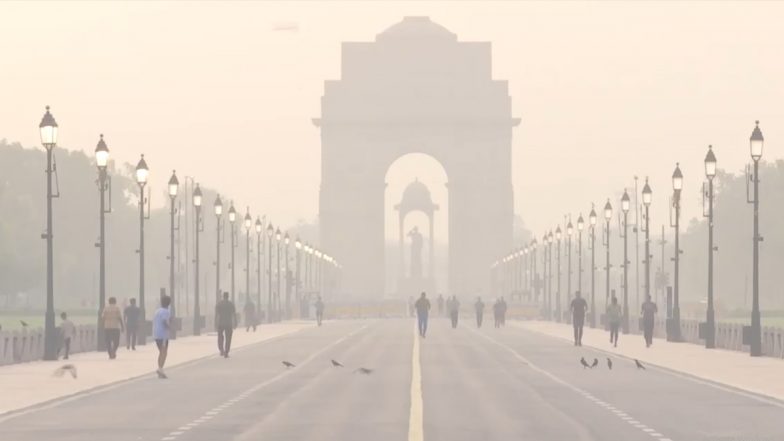
New Delhi, October 21: The Commission for Air Quality Management (CAQM) on Wednesday imposed Stage I restrictions under the Graded Response Action Plan (GRAP) across Delhi-NCR after the national capital’s air quality deteriorated to the ‘poor’ category. Delhi’s Air Quality Index (AQI) climbed to 244 at 2 pm, up from 179 a day earlier, prompting authorities to intensify pollution-control measures. The air quality is expected to remain in the poor category over the coming days, according to forecasts by the India Meteorological Department (IMD) and the Indian Institute of Tropical Meteorology (IITM).
Why GRAP-1 Has Been Imposed in Delhi-NCR
The CAQM invoked the first stage of GRAP after reviewing Delhi’s worsening pollution levels and the forecast for the coming days. The restrictions aim to prevent further deterioration by strengthening dust control, waste management and enforcement against pollution sources.
GRAP-1 applies when the AQI falls between 201 and 300, classified as ‘poor’ under India’s air-quality index. The measures cover Delhi and the National Capital Region areas in Haryana, Uttar Pradesh and Rajasthan.
The CAQM has directed the concerned agencies to implement the measures immediately and maintain strict vigilance against violations. Delhi Latest News Today on October 21st, 2026: Poor AQI, CJP Leaders & Dussehra.
What Restrictions Come Under GRAP-1?
Under Stage I, authorities are required to intensify measures to control dust and emissions from construction activities, roads, vehicles and other sources.
The key measures include:
- Road Dust Control: Mechanised sweeping of roads and regular water sprinkling to reduce airborne dust.
- Construction Activities: Strict enforcement of dust-control norms at construction and demolition sites.
- Waste Management: Regular lifting of municipal solid waste and construction and demolition waste, along with a ban on open waste burning.
- Polluting Vehicles: Checks and penalties against visibly polluting vehicles, along with measures to improve traffic management.
- Industrial Pollution: Monitoring of emissions from industries, power plants and brick kilns to ensure compliance with pollution-control standards.
- Diesel Generators: Enforcement of applicable restrictions on diesel generator sets.
- Commercial Establishments: Restrictions on the use of coal and firewood in tandoors at hotels, restaurants and open eateries, subject to the applicable GRAP directions.
The authorities have also been instructed to ensure the scientific disposal of dust collected during road-cleaning operations and take enforcement action against violations.
Delhi Air Quality Worsens in a Day
Delhi’s AQI rose sharply from 179 on October 20 to 244 at 2 pm on October 21, moving the city from the ‘moderate’ to the ‘poor’ category.
The IMD and IITM forecasts indicate that pollution levels are likely to remain in the poor category in the coming days. The CAQM has asked agencies to step up preventive measures to limit further deterioration.
Air quality can vary across monitoring stations and neighbourhoods, so the citywide AQI does not necessarily reflect conditions at every location.
What Is GRAP and When Do Stricter Curbs Apply?
The Graded Response Action Plan is a set of pre-defined emergency measures used to address worsening air pollution in Delhi-NCR. It operates in stages based on pollution levels, with restrictions becoming progressively stricter as air quality deteriorates.
Stage I applies to the poor category, with an AQI of 201-300. Stage II is triggered when the AQI reaches the ‘very poor’ range of 301-400, while Stage III applies to the ‘severe’ range of 401-450. Stage IV, the strictest stage, applies when the AQI exceeds 450 and enters the ‘severe plus’ category.
The CAQM’s sub-committee will continue to review air-quality readings and weather forecasts before deciding whether additional restrictions are necessary.
What Residents Should Know
Residents have been advised to follow the citizen charter under GRAP Stage I and cooperate with pollution-control measures. Authorities are expected to focus on dust suppression, proper waste disposal and compliance with construction and emission standards.
With forecasts pointing to continued poor air quality, the effectiveness of the restrictions will depend on enforcement by civic bodies, pollution-control agencies and other departments across the NCR.
(The above story first appeared on LatestLY on Oct 21, 2026 04:59 PM IST. For more news and updates on politics, world, sports, entertainment and lifestyle, log on to our website latestly.com).