PM Narendra Modi Ranks No 1 in Social Media Performance Report Presented at Cabinet Meeting
Prime Minister Narendra Modi ranked first in an overall social media performance assessment presented at the Cabinet meeting, according to sources. The report evaluated ministers’ activity on Instagram, X and Facebook between May 1 and August 15, 2026, using metrics including posts, engagement, likes and follower counts amid a wider push to reach younger audiences.

- Read in
- हिंदी
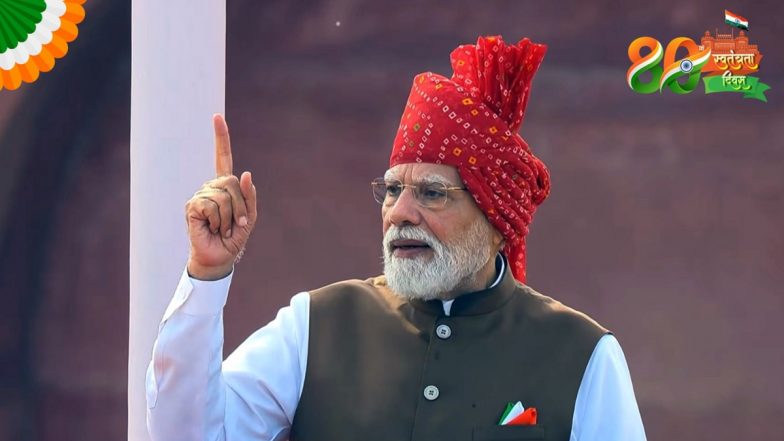
Prime Minister Narendra Modi ranked first in an overall social media performance assessment of ministers presented at the Cabinet meeting, according to sources cited by India Today. The ranking examined the social media traction generated by leaders between May 1 and August 15, 2026, across Instagram, X and Facebook, using multiple engagement and activity metrics.
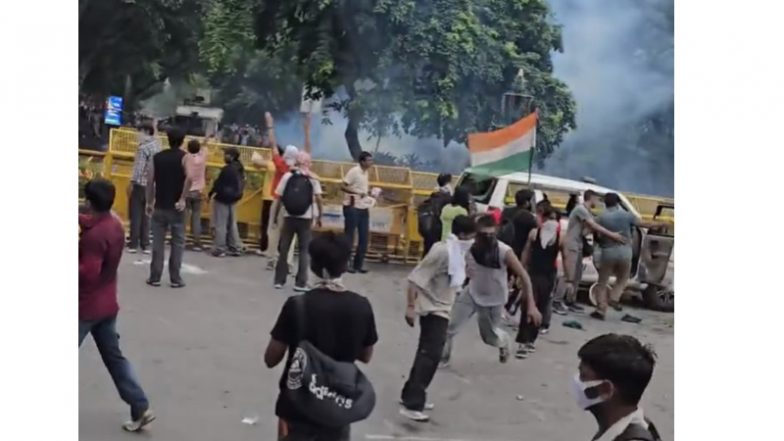
The assessment comes as the Narendra Modi government steps up its digital outreach to younger audiences following student protests at Delhi's Jantar Mantar last month. The report was not limited to a comparison among Cabinet ministers and assessed social media performance across the political leadership, from senior figures to grassroots-level leaders, according to the sources. PM Narendra Modi Promises More Strict Actions Against Paper Leaks in Video Message.
PM Modi Leads Social Media Performance Ranking
According to sources, the report measured ministers' social media activity over a period of around three-and-a-half months.
The assessment covered Instagram, X and Facebook and considered several indicators, including average daily posts, total engagement, average engagement per post, likes, average likes and follower count across the three platforms.
PM Modi ranked at the top of the overall list. The ranking comes as the government has increasingly focused on social media platforms popular with younger audiences.
Government Steps Up Youth-Focused Digital Outreach
PM Modi and his government have increasingly turned to Instagram and other youth-focused platforms as part of their digital communication strategy. Recent posts have adopted a more informal and creator-style format, with shorter videos, casual presentation and visual storytelling.
One widely discussed example came on July 31, during the Gen Z protests in Delhi, when PM Modi posted a vertically shot Instagram video that opened with the words, "Hi, friends." The shift reflects a broader effort to adapt political communication to platforms where short-form video and creator-style content dominate.
Push For More Informal Content
International news agency Reuters reported that following the protests, PM Modi asked Union ministers to become more active on platforms used by younger audiences and create videos that appeared less heavily edited. Ministers and government departments have also increasingly adopted short-form videos, according to Reuters.
On August 7, the Ministry of External Affairs said it would expand its presence to Snapchat, signalling a wider move by the government towards platforms popular with younger users.
Why Instagram Matters In Political Communication
Instagram has become an important platform for reaching India's younger population. Unlike text-focused platforms, Instagram is built around reels, short-form videos and visual storytelling. Its recommendation system can also expose content to users beyond an account's existing followers.
That has made the platform increasingly important for political figures seeking to reach audiences outside their established follower base. Political leaders globally have expanded their Instagram presence in recent years, using the platform for campaign updates, behind-the-scenes content and short videos alongside traditional announcements.
Digital Reach Does Not Guarantee Votes
PM Modi has relied extensively on digital platforms to communicate directly with the public since first taking office in 2014. Political analysts interviewed by Reuters said platforms such as Instagram generally favour content that appears more spontaneous and conversational than highly produced political messaging.
However, analysts also cautioned that increased online engagement does not necessarily translate into electoral support. The way users create, share and shape conversations on social media means that high engagement alone may not indicate how voters will ultimately respond at the ballot box.
(The above story first appeared on LatestLY on Aug 19, 2026 08:42 PM IST. For more news and updates on politics, world, sports, entertainment and lifestyle, log on to our website latestly.com).