PM Ujjwala Yojana Subsidy Cut: Government Reduces Annual Subsidised LPG Cylinder Quota From 9 to 4
The central government has reduced the annual subsidised LPG cylinder quota under the Pradhan Mantri Ujjwala Yojana (PMUY) from nine to four. Eligible beneficiaries will continue receiving a INR 300 subsidy per cylinder, but only on the first four refills each year. Officials said the decision reflects average consumption levels and comes amid rising LPG supply costs and recent fuel price hikes.

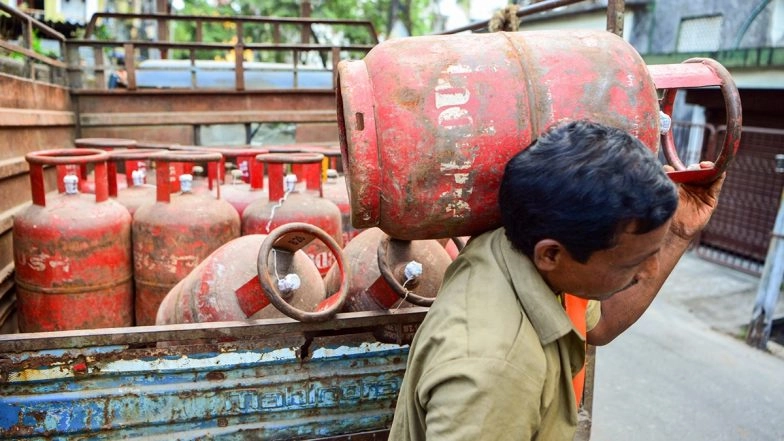
In a significant change affecting millions of beneficiaries under the Pradhan Mantri Ujjwala Yojana (PMUY), the central government has reduced the number of subsidised LPG cylinders available annually under the scheme from nine to four. Officials said the decision aligns subsidy support with the average cooking gas consumption pattern of Ujjwala households.
The move comes amid rising LPG supply costs and increasing financial pressure on oil marketing companies. While eligible beneficiaries will continue to receive a subsidy of INR 300 per cylinder, the benefit will now be limited to the first four refills purchased during a financial year. LPG Price Hike: Domestic Cooking Gas Cylinder Becomes Costlier by INR 29, New Rates Effective From June 7.
PM Ujjwala Yojana Shock: Subsidised Cylinder Quota Reduced Again
Launched in May 2016, the Pradhan Mantri Ujjwala Yojana was designed to provide deposit-free LPG connections to women from economically weaker households and encourage the use of cleaner cooking fuel.
Under the original scheme, beneficiaries were entitled to 12 subsidised 14.2-kg LPG cylinders annually. The quota was later reduced to nine cylinders and has now been further cut to four. LPG Price Hike: BJP Leaders Attribute Increase in Cooking Price to Global Crisis.
Announcing the revision, Praveen Mal Khanooja, Additional Secretary in the Ministry of Petroleum & Natural Gas, said the revised entitlement broadly reflects the average annual LPG consumption of Ujjwala beneficiaries.
Subsidy Benefit Remains at INR 300 Per Cylinder
The government introduced a targeted subsidy of INR 200 per 14.2-kg LPG cylinder in May 2022, with the amount directly credited to beneficiaries' bank accounts after every refill purchase. In October 2023, the subsidy was increased to INR 300 per cylinder, with a proportionate benefit extended to 5-kg cylinders as well.
Under the revised framework, eligible PMUY consumers will continue to receive the INR 300 subsidy, but only on the first four refills each year. This effectively caps annual subsidy assistance at INR 1,200 per household. Addressing the media, Khanooja said PMUY consumers in Delhi currently pay INR 642 for a 14.2-kg LPG cylinder after subsidy, compared to INR 942 paid by general consumers.
Rising LPG Costs Behind the Decision
The reduction in subsidised refills comes at a time when domestic LPG prices have witnessed multiple increases. Earlier this month, the price of a 14.2-kg domestic LPG cylinder was increased by INR 29, taking the retail price in Delhi to INR 942 from INR 913. The latest revision came into effect on June 7.
The increase followed another hike of INR 60 per cylinder on March 7, resulting in a cumulative rise of INR 89 over the past three months. Officials said the cost of supplying a domestic LPG cylinder has climbed to more than INR 1,600, while oil marketing companies are reportedly incurring losses of around INR 700 on each cylinder sold.
The latest price increases, combined with the reduced subsidy entitlement, are expected to increase cooking fuel expenses for many low-income households that depend on LPG for daily needs.
Apart from LPG, prices of petrol, diesel and compressed natural gas (CNG) have also seen upward revisions in recent months, adding to household energy costs.
Oil companies maintain that existing retail prices still do not fully reflect the actual cost of supply amid elevated global energy prices and ongoing geopolitical uncertainties affecting energy markets.
About PM Ujjwala Yojana
The Pradhan Mantri Ujjwala Yojana was launched to improve access to clean cooking fuel and reduce dependence on traditional fuels such as firewood, coal and kerosene.
The scheme has benefited millions of households across India by expanding LPG coverage and promoting cleaner cooking practices, particularly among rural and economically weaker families.
The latest revision marks another adjustment to the subsidy structure as the government seeks to balance consumer support with rising energy procurement costs.
(The above story first appeared on LatestLY on Jun 08, 2026 11:12 PM IST. For more news and updates on politics, world, sports, entertainment and lifestyle, log on to our website latestly.com).