What Is the FCRA Amendment Bill 2026? Key Changes and Why It Faces Opposition
The FCRA Amendment Bill 2026 has sparked a heated debate in Parliament, with the government citing transparency and accountability in foreign funding, while opposition parties, church bodies and US lawmakers warn it could expand Centre control over NGOs, religious charities and their assets.

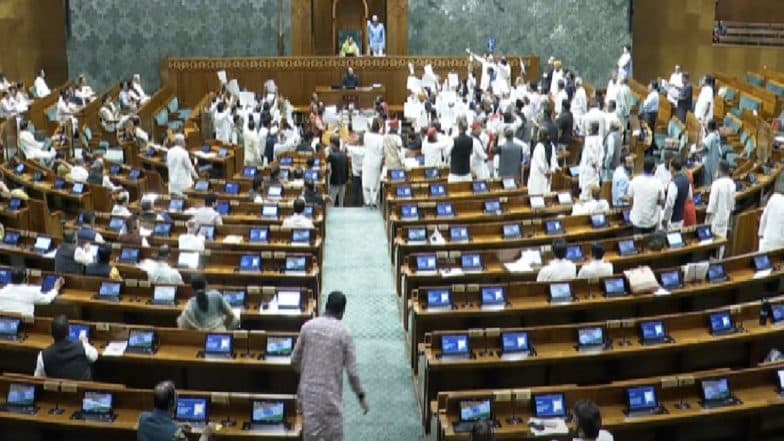
The Foreign Contribution (Regulation) Amendment Bill, 2026, has emerged as one of the most contested pieces of legislation of Parliament's monsoon session, with the government defending the proposed changes as measures to improve transparency in foreign funding, while opposition parties, church organisations and rights groups warn they could tighten government control over NGOs and religious institutions. The bill focuses on how organisations receiving foreign contributions operate, what happens when their licences are cancelled and how funds and assets acquired through foreign donations are managed.
What the FCRA Regulates
The Foreign Contribution (Regulation) Act regulates the acceptance and use of foreign donations by organisations in India, including NGOs, charitable institutions, educational bodies and research organisations. It governs foreign contributions received by individuals, associations and organisations across the country. FCRA Amendment Bill 2026: Kiren Rijiju Assures Protection for Genuine NGOs, Says Law Targets Illegal Foreign Funding Misuse.
According to the government, cited in official communications from the Press Information Bureau, the amendments are necessary to address evolving financial risks, improve transparency and ensure that foreign funding is utilised only for lawful purposes, since such contributions can influence public institutions, policymaking and national security. Parliament Monsoon Session 2026: FCRA Amendment Bill, Shiksha Adhishthan Bill Among 7 Legislations Likely To Be Tabled.
Key Provisions of the Bill
Among the central changes, registered organisations would be required to spend at least Rs 10 lakh annually from foreign funds in order to maintain active registration, a threshold that critics say could be difficult for smaller, grassroots groups working in rural areas to meet.
The bill also proposes reducing the maximum jail term for FCRA violations from five years to one year, which supporters describe as a move toward proportionate penalties, reported PIB.
A newer and more contested element involves the creation of what has been described as a Designated Authority, along with tighter disclosure norms and revised renewal criteria for FCRA registrations. Other proposed changes include stricter limits on the transfer of foreign contributions between organisations, prescribed time limits for receiving and using approved funds, and more stringent disclosure requirements. Separately, the FCRA Amendment Rules, 2026, notified alongside the bill, require organisations to disclose the intended use of foreign contributions, the location of projects, their activities, and details of their official websites and social media accounts.
Why the Opposition Is Objecting
Opposition parties have concentrated their criticism on two provisions in particular: the powers given to a government-appointed authority to control assets, and restrictions linked to proselytisation. Critics argue that allowing such an authority to take over NGO assets raises questions about property rights and constitutional protections.
Trinamool Congress MP Derek O'Brien called the bill "draconian," arguing that the amendments could lead to excessive executive control over NGOs and institutions working in education, healthcare and welfare. CPI(M)'s John Brittas and Congress leader K.C. Venugopal have also opposed the bill, raising concerns about the government's proposed powers regarding cancellation or non-renewal of FCRA registrations and the management of assets belonging to foreign-funded organisations.
In Kerala, Leader of the Opposition V.D. Satheesan argued the amendments could let the Centre refuse renewal of an organisation's FCRA registration and take control of assets created using foreign funds if the registration lapses, and claimed churches, Christian educational institutions and other minority organisations could be adversely affected. Former Tamil Nadu chief minister M.K. Stalin similarly warned that minor procedural lapses could lead to cancellation of FCRA registration, leaving schools, colleges, hospitals, orphanages and other charitable institutions facing uncertainty over their assets.
Reaction From Church Bodies and Civil Society
Several faith-based organisations have voiced strong objections. In Mizoram, the Baptist Church urged the Centre to withdraw the proposed bill and organised mass prayers against it, arguing that foreign contributions have helped establish schools, hospitals and community welfare programmes over several decades, and that greater government involvement in managing foreign-funded assets could affect institutional autonomy. The Mizoram Pradesh Congress Committee also protested against the bill in Aizawl on July 21.
Policy research body PRS India has flagged its own concerns, noting the minimum spending level mandated for FCRA renewal and questioning the adequacy of safeguards before the proposed authority exercises its powers.
International Reaction
The bill has also drawn attention beyond India. US Congressman Riley Moore stressed that the amendments would permit the Indian government to take over churches and religious charities, calling it "a clear attack against Christians" and warning it could affect bilateral ties between the two countries.
US Congressman Warns FCRA Bill Could Affect India-US Ties
Christians have been in India since St. Thomas the Apostle traveled to the Malabar Coast just decades after the resurrection of our Lord Jesus Christ.
But despite this long Christian history, India’s Parliament is considering amending Foreign Contribution Regulation Amendment…
— Rep. Riley M. Moore (@RepRileyMoore) August 4, 2026
Government's Position
The government has maintained that the changes do not seek to restrict legitimate civil society work. According to the PIB, the amendments aim to modernise the existing law by strengthening compliance mechanisms, improving monitoring of fund utilisation and preventing the diversion or misuse of foreign contributions, and officials have argued the framework is being made more robust without curbing legitimate activity.
What Happens Next
The government is expected to introduce the bill in the Lok Sabha during the ongoing monsoon session of Parliament, where it is likely to face continued opposition resistance. While the FCRA Amendment Rules, 2026, have already been notified and are in force, the broader regulatory changes tied to the bill itself will only take effect once it is approved by Parliament. Until then, the debate over how far the government's oversight of foreign-funded organisations should extend is likely to remain a flashpoint in the ongoing session.
(The above story first appeared on LatestLY on Aug 06, 2026 11:36 AM IST. For more news and updates on politics, world, sports, entertainment and lifestyle, log on to our website latestly.com).