Pola 2026 Date and Time: When Is Bail Pola? Know Shubh Muhurat, Significance and Celebrations
Discover everything about Pola Festival 2026, also known as Bail Pola. Learn its exact date, significance, and traditional celebrations to honor bulls and oxen. This comprehensive guide covers key rituals like decorating cattle, special feasts including Puran Poli, and regional variations across Maharashtra and Chhattisgarh.

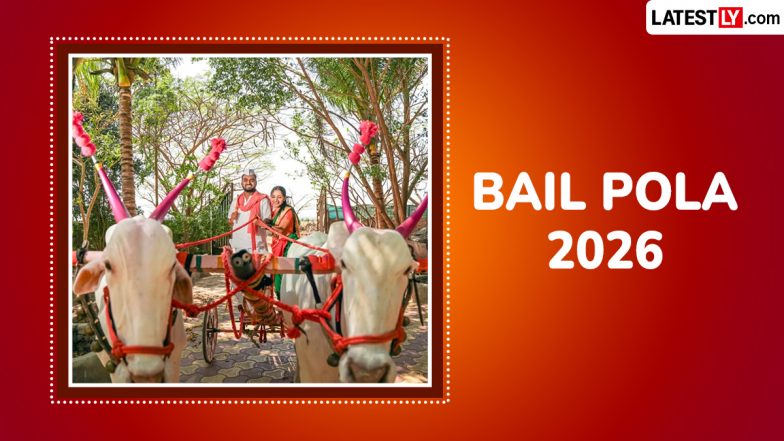
As the monsoon season concludes and the fields prepare for a new cycle of sowing, farmers across India get ready to celebrate Pola, a festival brimming with gratitude and reverence. Known primarily as Bail Pola, this unique Indian festival is a heartfelt tribute to the bulls and oxen, the unwavering companions of farmers whose tireless efforts are the backbone of agriculture. This year, mark your calendars as Pola Festival 2026 falls on Thursday, September 10.
What Is Pola Festival?
Pola Festival is more than just a celebration; it's a deep-rooted tradition acknowledging the symbiotic relationship between humans and animals in agrarian societies. Farmers affectionately regard their bulls and oxen as “silent partners” and vital members of their families. The festival is observed to express profound gratitude for their hard work in ploughing fields, transporting goods, and ultimately sustaining livelihoods by helping cultivate grains, fruits, and vegetables. It signifies the end of the crucial monsoon sowing season, offering a well-deserved rest to the cattle before the next phase of farming activities begins.
Pola is traditionally celebrated on the day of Pithori Amavasya, which is the new moon day in the Hindu month of Bhadrapada. Beyond agricultural gratitude, in some narratives, the festival is also linked to a tale of young Lord Krishna slaying the demon Polasur. Ganesh Visarjan 2026 Full Calendar: Know Anant Chaturdashi Date and Ganpati Immersion Muhurat.
When Is Pola Festival 2026? Date and Timings
Pola Festival 2026 is scheduled to be celebrated on Thursday, September 10, 2026. While this is the primary date for the observance of Bail Pola, it is worth noting that in some regions, the festivities might extend or be observed on September 11 due to the Amavasya Tithi spanning both days. The festival falls on the Pithori Amavasya Tithi, also known as Bhadrapada Amavasya, marking the auspicious new moon day dedicated to this unique thanksgiving. The Amavasya Tithi begins at 10:33 AM on September 10 and ends at 8:56 AM on September 11, 2026.
While there isn't a specific "Shubh Muhurat" or precise auspicious timing for the rituals in general, the core celebrations, including bathing and decorating the bulls, typically begin early in the morning.
Rituals and Celebrations
The preparations for Pola begin a day in advance. Farmers remove the rope (Vesan) from their bulls' nostrils and lovingly apply a paste of turmeric and oil to their bodies, an act of care and cleansing.
On the main day of Pola, the celebrations are elaborate and joyous:
- Cleansing and Adornment: Bulls and oxen are given a thorough bath and a relaxing oil massage. Their horns are painted in vibrant colours, and they are adorned with intricate decorations including colourful shawls, new ropes, jingles, bells, and fresh flower garlands.
- Worship and Aarti: Farmers and their families perform a traditional puja (worship) for their decorated cattle. This includes applying tilak on their foreheads and performing an aarti with a lighted ghee lamp, seeking blessings for their well-being and a prosperous agricultural season.
- Feasting: The revered animals are treated to special traditional delicacies. This often includes nutritious and festive foods like Puran Poli (sweet flatbread), Kichadi, Bajari, grains, lentils, and jaggery.
- Village Processions: A highlight of Pola is the grand procession. The beautifully decorated bulls are paraded through the village streets, accompanied by lively music, drumbeats, and traditional dancing, creating a festive atmosphere for the entire community. Crucially, on Pola, farmers abstain from engaging their bulls in any farm work, allowing them a day of rest and honour.
Regional Variations and Tanha Pola
While primarily a significant festival in Maharashtra and Chhattisgarh, Pola is also celebrated with enthusiasm in parts of Madhya Pradesh, Telangana, and Karnataka.
One delightful regional variation is Tanha Pola, particularly prominent in the Vidarbha region of Maharashtra. Celebrated the day after the main Pola (sometimes called "Motha Pola" in this context), Tanha Pola is dedicated to children. Youngsters decorate small wooden or clay bull figurines and parade them through their neighbourhoods, often going house-to-house to collect gifts or money. This charming tradition serves to instill a sense of gratitude and respect for animals and agriculture in the younger generation from an early age. In Chhattisgarh, special homemade sweets and dishes like thethri, khurmi, and chakli are prepared and shared among families, especially with sisters and daughters.
Pola Festival is a vibrant and culturally rich celebration that beautifully encapsulates the deep respect and gratitude that agrarian communities hold for their animal companions. It's a day when the toil of the fields gives way to festivities, honouring the invaluable contribution of bulls and oxen to our lives and ensuring the continued prosperity of the land.
(The above story first appeared on LatestLY on Sep 07, 2026 03:19 PM IST. For more news and updates on politics, world, sports, entertainment and lifestyle, log on to our website latestly.com).