What Is QDENGA and How Does It Work? All About India's First Dengue Vaccine
Takeda's QDENGA has received DCGI approval, becoming India's first dengue vaccine. Cleared for individuals aged 4 to 60, the two-dose vaccine targets all four virus serotypes, offering broad protection against symptomatic infection and hospitalisations without pre-screening. Scroll below to learn more about QDENGA.

- Read in
- हिंदी
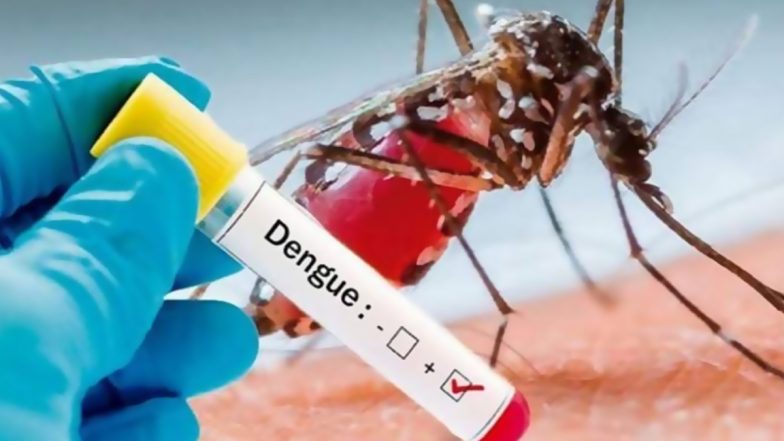
India has achieved a major healthcare milestone with the Drug Controller General of India (DCGI) granting market authorisation to Takeda Biopharmaceuticals India's QDENGA (TAK-003). This landmark decision marks the approval of the country's first-ever vaccine against dengue, addressing a critical public health challenge in a nation that accounts for a substantial share of the global disease burden.
What Is QDENGA?
QDENGA is a live-attenuated, tetravalent vaccine developed by Japanese pharmaceutical major Takeda. Engineered to target all four dengue virus serotypes (DENV-1, DENV-2, DENV-3, and DENV-4), the vaccine is designed to stimulate broad-spectrum immunity against symptomatic infection and severe complications. Approved for individuals aged 4 to 60 years, the vaccine is administered subcutaneously in a two-dose regimen, with the second dose given three months after the first. A key advantage of QDENGA is that it can be administered regardless of a person's prior dengue exposure, eliminating the need for pre-vaccination screening or blood testing. Dengue Fever Symptoms: Warning Signs of the Vector-Borne Disease You Should NEVER Ignore.
How Does the QDENGA Vaccine Work?
QDENGA's formulation is built upon a weakened strain of the dengue virus serotype 2 (DENV-2) genetic backbone. To target the other strains, the surface proteins - specifically the envelope and pre-membrane proteins - of dengue serotypes 1, 3, and 4 are engineered onto this DENV-2 backbone. When administered via subcutaneous injection in a two-dose schedule, the vaccine safely mimics a natural infection without causing severe illness, thereby stimulating the human immune system to produce broad-spectrum neutralising antibodies and cell-mediated defences across all four serotypes to prevent future symptomatic infections and hospitalisations.
Clinical Trial Data and Efficacy
The DCGI approval is backed by extensive clinical evidence, including Takeda's global Phase III TIDES trial involving over 20,000 participants across eight dengue-endemic countries, alongside a local Phase III bridging study evaluating safety and immunogenicity in Indian participants. Clinical evaluations demonstrated that the vaccine is well-tolerated, safe, and effective across children, adolescents, and adults. Long-term data have shown sustained protection against virologically confirmed dengue and a high efficacy rate in preventing dengue-related hospitalisations.
Public Health Impact and Next Steps
Dengue remains a recurrent seasonal threat in India, driven by rapid urbanisation, climate factors, and widespread vector proliferation. Public health experts note that reported cases have climbed sharply over the past two decades, straining hospital capacities during peak transmission periods. While QDENGA has already received regulatory approval in more than 40 countries - including parts of Europe, the United Kingdom, and Latin America - and prequalification from the World Health Organization (WHO), Takeda will collaborate closely with Indian authorities and healthcare stakeholders to plan its commercial rollout and public health integration. Medical professionals emphasise that the vaccine is designed to complement, rather than replace, existing vector control, surveillance, and community awareness measures.
(The above story first appeared on LatestLY on Jul 21, 2026 11:41 AM IST. For more news and updates on politics, world, sports, entertainment and lifestyle, log on to our website latestly.com).