Jaden Newman Video Leak Controversy: Cybercriminals Spread Fake Links - How To Protect Your Data
A viral controversy surrounding an alleged video leak involving influencer Jaden Newman has sparked a surge in online clickbait. Scammers and cybercriminals are exploiting high search interest by pushing fraudulent links. Cybersecurity experts warn that clicking these links risks exposure to phishing traps, malware, and personal data theft.

- Read in
- हिंदी
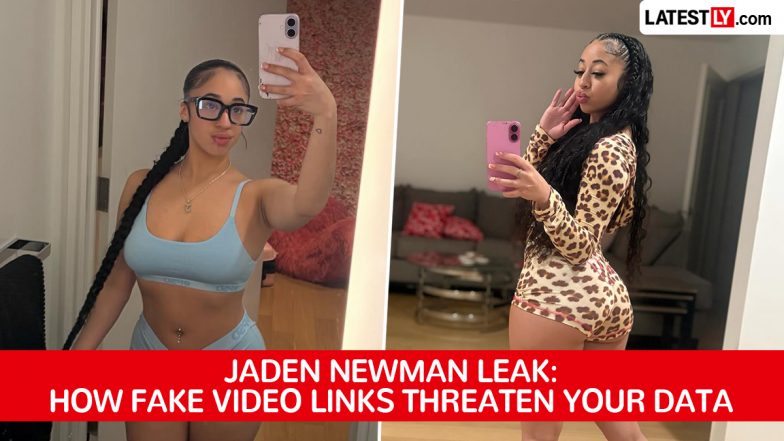
A viral online trend surrounding an alleged video leak involving social media influencer and basketball player Jaden Newman has triggered a massive influx of clickbait posts and fraudulent web links. Cybercriminals are exploiting high user search interest in the controversy to drive web traffic to compromised external websites, phishing pages, and malicious downloads. Cybersecurity analysts warn that clicking on these circulating links exposes users to severe digital security risks, including account hijacking and personal data theft. Jaden Newman Video Leaks: How the Federal TAKE IT DOWN Act Applies.
Exploitation of High-Trend Search Volume
The controversy emerged after alleged private media involving Newman began trending across major platforms, including X (formerly Twitter), TikTok, and YouTube Shorts. Public commentary from family members and online figures further amplified internet interest, sending search volume for phrases like "Jaden Newman leaked video" and "full clip link" surging.
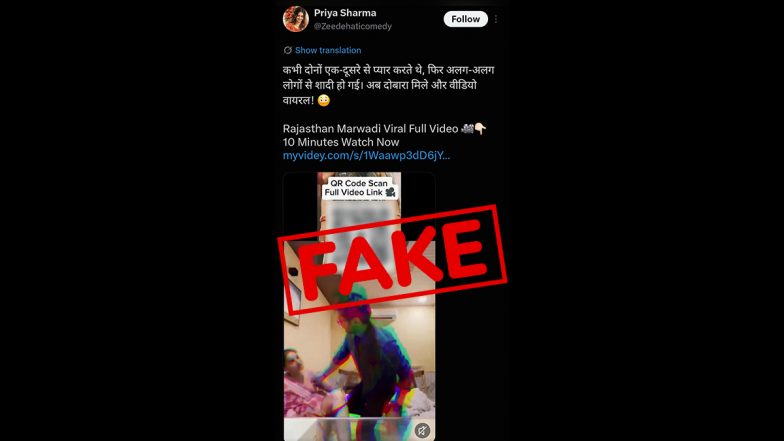
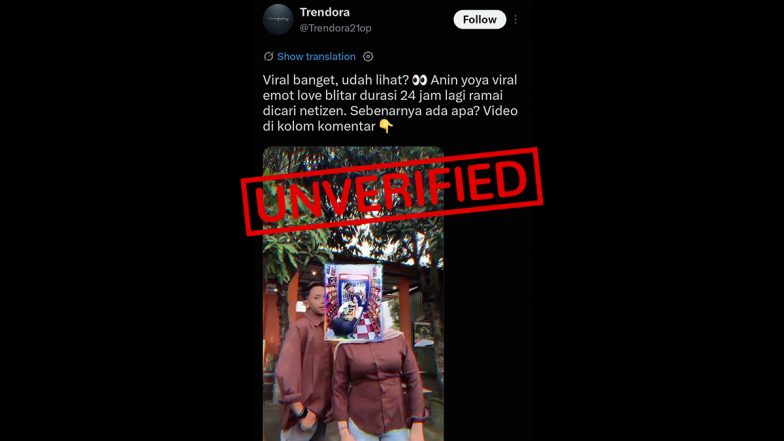
Scammers routinely capitalize on trending celebrity controversies by deploying automated bots and fake accounts across comment sections and social feeds. These profiles post sensationalized captions promising direct access to the alleged full video, luring curious users off secure social media networks and onto unverified third-party websites. What Is the Jaden Newman Video Leak Controversy? Julian Newman Addresses Leaked Clips.
Jaden Newman Leak Triggers Wave of Clickbait Links
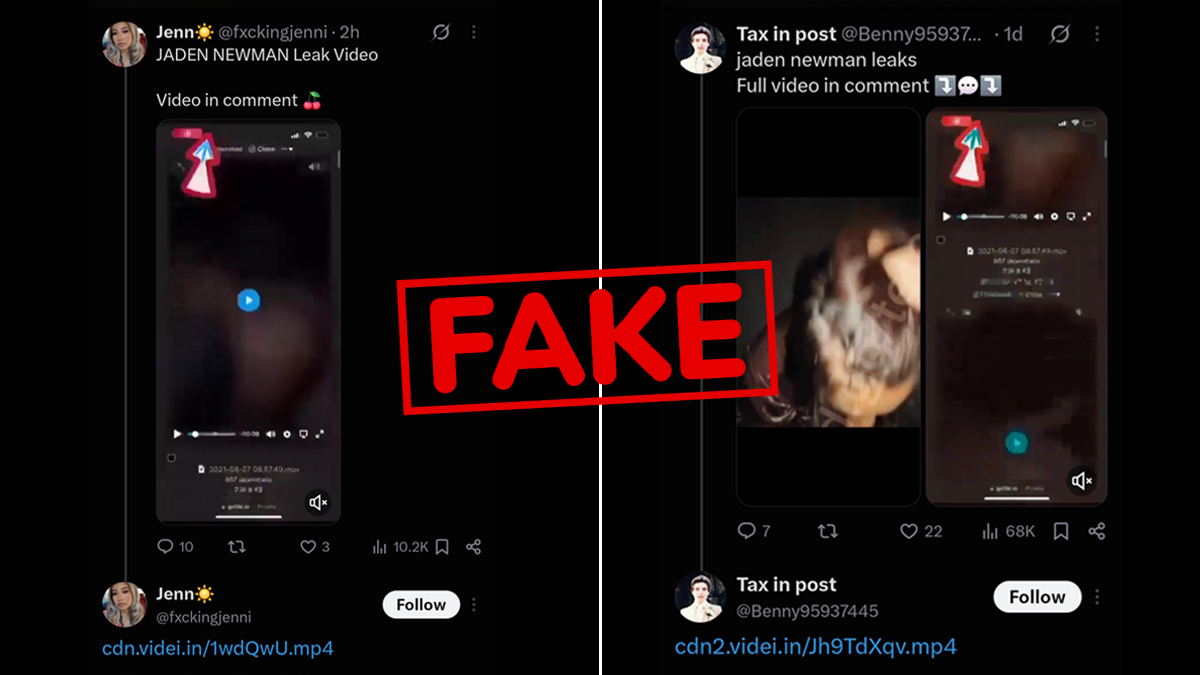
How Fake Links Threaten Personal Data
Digital safety researchers emphasize that the majority of links posted under the trending controversy do not contain legitimate media. Instead, they execute deceptive tactics designed to exploit users:
- Phishing and Account Takeovers: Fake landing pages often mimic familiar login portals or request age-verification prompts. Entering credentials or social media logins hands full account access directly to scammers.
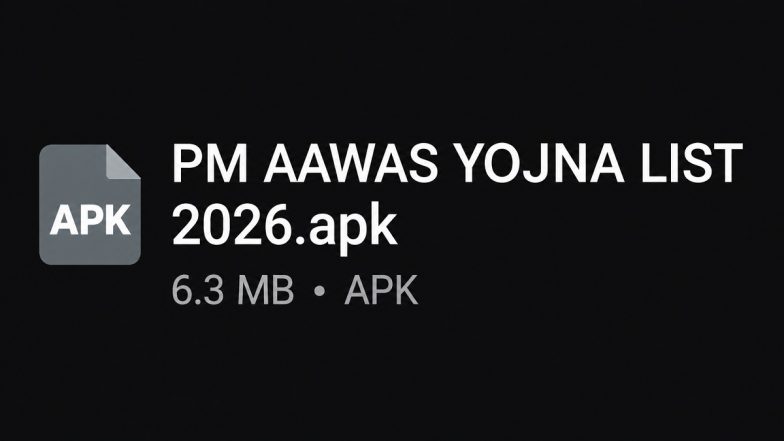
- Malware and Spyware Deployment: Unverified links frequently trigger automatic downloads of malicious files disguised as video players or media extensions. These programs can track keystrokes, steal stored passwords, and access sensitive financial details.
- Ad-Farming and Subscription Traps: Many URL shorteners route traffic through aggressive pop-up networks or attempt to trick visitors into signing up for costly premium SMS services or push notification traps.
Best Practices for Online Safety
Security experts advise social media users to exercise caution when encountering viral search trends involving private leaks or sensational claims.
Users are urged to avoid opening shortened URLs (such as bit.ly or t.co links from unknown profiles), refrain from entering personal information on pop-up portals, and report spam accounts attempting to distribute malicious links across comment feeds. Utilizing updated antivirus software and enabling multi-factor authentication (MFA) across accounts provides an added layer of defense against phishing attempts.
DISCLAIMER: This article is strictly for informational and educational purposes to raise awareness about the said topic. LatestLY DO NOT host, distribute, or provide links to sexually explicit content, leaked videos, or pirated material. Any search terms or keywords mentioned are solely for the purpose of explaining the viral trend and its associated dangers. We strongly condemn the circulation of non-consensual intimate imagery (NCII) and advise all readers to refrain from searching for or sharing such content, as doing so may lead to severe legal consequences.
(The above story first appeared on LatestLY on Aug 19, 2026 11:04 AM IST. For more news and updates on politics, world, sports, entertainment and lifestyle, log on to our website latestly.com).