Elon Musk Steps Up Starlink Push, Says ‘Competition Would Benefit Indians’, Hits Out at ‘Army of Internet Shills’
SpaceX CEO Elon Musk has renewed his push for Starlink’s entry into India, arguing that competition in the satellite internet market would benefit consumers by expanding their choices.

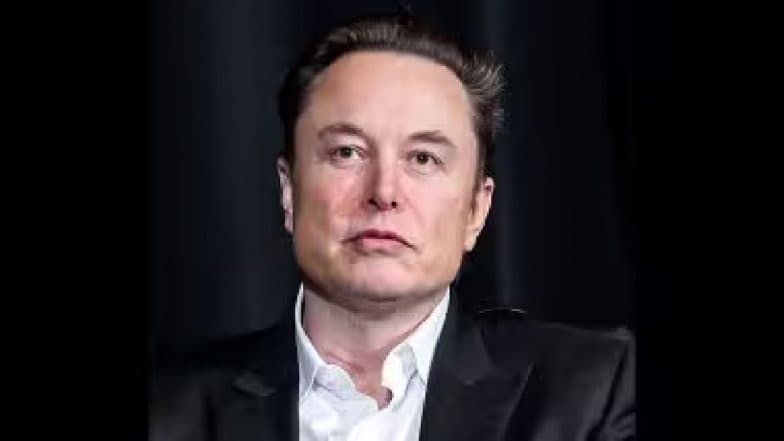
SpaceX CEO Elon Musk has renewed his push for Starlink’s entry into India, arguing that competition in the satellite internet market would benefit consumers by expanding their choices. In a post on X, Musk criticised arguments against the service’s entry, accusing supporters of Reliance Industries Chairman Mukesh Ambani of making contradictory claims about Starlink’s ability to compete with existing internet providers.
Musk said Starlink would need to offer affordable pricing to attract Indian customers, acknowledging that consumers would not choose the service if it proved too expensive. His remarks come amid an ongoing debate over regulatory approvals, pricing and competition in India’s satellite communications sector. Elon Musk Doubles Down on Attack Against Mukesh Ambani After 'Prime Minister' Jibe.
Elon Musk Says Competition Will Benefit Indians
The ridiculous arguments by Ambani’s army of Internet shills make no sense
On the one hand, they say Starlink couldn’t possibly compete with the amazing low prices offered by Ambani’s de facto monopoly in India and then, in the same breath, they essentially claim that Starlink would be too strong of a competitor! This is absurd hypocrisy and hyperbole.
The reality is that competition would greatly benefit the average citizen in India by giving them more choices, as it always does. Ambani’s profits will be lower, but he is not going out of business. And, obviously, if Starlink is too expensive in India, no one will buy it, so SpaceX will need to make pricing affordable.
— Elon Musk (@elonmusk) October 10, 2026
Elon Musk Accuses Ambani Supporters of Contradictory Arguments
In his latest post, dated October 10, Musk described critics of Starlink’s proposed entry as an “army of Internet shills”. He argued that some opponents claimed Starlink could not compete with India’s low internet prices, while others suggested that the service could become too strong a competitor.
Calling these arguments contradictory, Musk said greater competition would benefit ordinary Indians by giving them more options. He added that increased competition could reduce Ambani’s profits but would not drive his business out of the market.
Musk also acknowledged the importance of affordability, saying SpaceX would have to make Starlink’s pricing competitive if it wanted to attract customers in India. Elon Musk Rejects Starlink Use by Indian Insurgents, Says Satellite Beams Are Off Over India.
Debate Over India’s Internet Prices and Satellite Broadband
Musk was responding to a post by Aaron Burnett, CEO of Mach33 Financial Group, who questioned whether India’s internet services were as affordable as commonly portrayed.
Burnett argued that India’s low internet costs largely reflect its mobile data market, while fixed broadband penetration remains comparatively limited. He suggested that a cost-effective alternative could encourage more households to adopt fixed broadband connections.
The discussion has brought renewed attention to the potential role of satellite internet in expanding connectivity, particularly in areas where conventional broadband infrastructure is limited. Starlink uses a network of satellites to provide internet access and is seeking to establish commercial operations in India.
Starlink India Launch Awaits Regulatory Clearances
Musk’s latest comments come as Starlink’s proposed India launch remains subject to regulatory requirements. The company has received authorisations for its satellite communications plans, but security compliance and the process for spectrum assignment remain important steps before commercial services can begin.
Union Communications Minister Jyotiraditya Scindia said on Friday that India would not allow a monopoly in the satellite communications sector. He identified Reliance Jio, OneWeb and Starlink as three operators that had received licences, adding that Amazon was also interested in entering the market.
Scindia said the government was nearing a decision on the pricing framework for satellite communication services. He also stressed that each operator must individually meet the required security conditions before proceeding towards commercial operations.
The government has previously rejected allegations that Starlink was being deliberately blocked to protect existing business interests, maintaining that licensed operators were undergoing security assessments at broadly the same regulatory stage.
Why Starlink’s Entry Matters for Indian Consumers
Starlink’s potential entry could introduce another option for households, businesses and institutions seeking internet connectivity, particularly in remote and underserved locations. However, its ability to compete with established providers will depend significantly on service pricing, equipment costs and the regulatory framework.
India’s existing mobile internet market is highly price-sensitive, making affordability a key consideration for any new provider. While satellite broadband could help address connectivity gaps, its commercial reach will depend on whether the service offers a practical alternative to existing mobile and fibre broadband connections.
For now, Starlink’s commercial launch in India remains dependent on the completion of the necessary regulatory and security requirements.
(The above story first appeared on LatestLY on Oct 11, 2026 07:34 AM IST. For more news and updates on politics, world, sports, entertainment and lifestyle, log on to our website latestly.com).