India vs Japan Wide Controversy: Can Umpire Reverse the Decision? Here’s What Rule Says
Explore the controversial hypothetical umpire's reversal of a wide ball call in an India vs Japan One- Off T20 match. Japan, chasing India’s total in a tense finish, saw high drama in the fifth over when Axar Patel’s delivery was initially called wide, but the decision was later reversed.


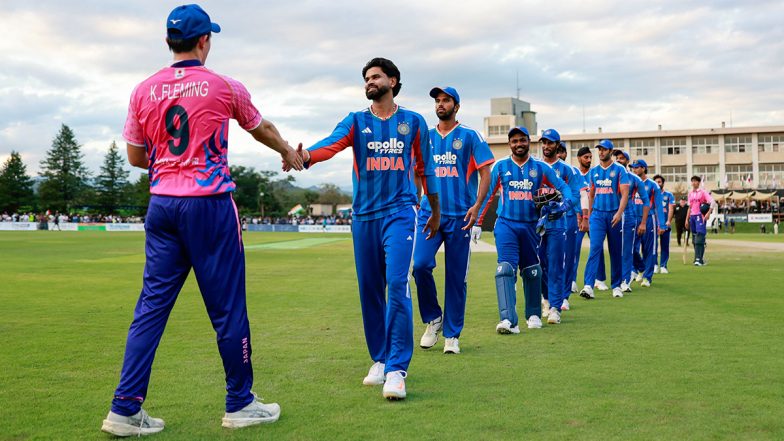
A hypothetical nail-biting encounter in the One-Off T20 match between cricketing giants India and emerging force Japan, saw a crucial umpiring decision reversed in the dying moments of the game. The incident, which hypothetically unfolded today, September 22, 2026, at the Sano Cricket Stadium, has brought the often-misunderstood rules surrounding umpire decision-making under the spotlight. India Beat Japan by 2 Runs in Rain-Shortened One-Off T20I.
Umpire Reverses Wide Ball Call During India-Japan T20I
— Ben Gardner (@Ben_Wisden) September 22, 2026
The Hypothetical Flashpoint
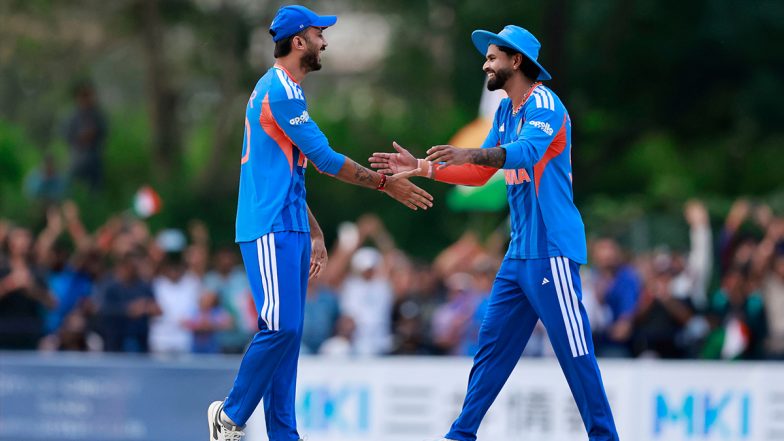
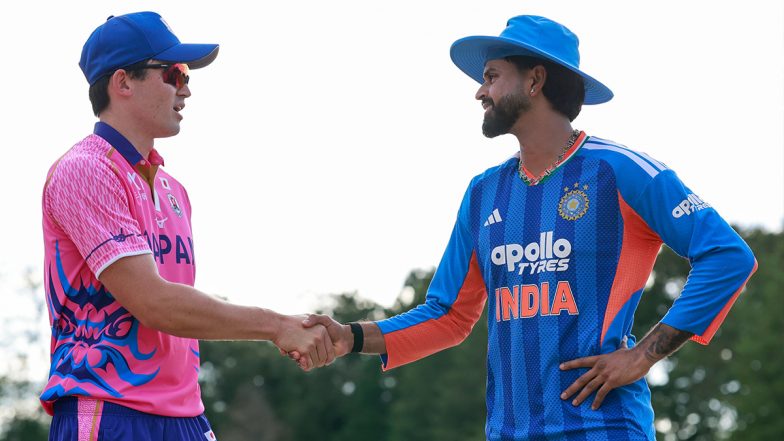
Japan chasing India's total in a tense finish, the 5th over delivered a moment of high drama. An Indian bowler (Axar Patel) sent down a delivery that was initially signalled wide by the umpire, much to the relief of the Japanese batting side. However, before the next ball could be bowled, Axar was furious with the umpire and unhappy with the decision, while Indian captain Shreyas Iyer intervened with the leg umpire. Following a swift consultation among the umpires, the decision was controversially reversed. The ball was subsequently deemed a legitimate delivery, changing the equation and intensifying the pressure on the Japanese batters, particularly Alexander Shirai-Patmore, who was at the crease during this pivotal moment. The decision immediately drew strong reactions, raising questions about the fairness and adherence to cricketing laws.
Cricket Law 20.4: The Power to Revoke a Decision
At the heart of such controversies lies the Marylebone Cricket Club (MCC) Laws of Cricket, specifically Law 20.4, which addresses an umpire's ability to revoke a decision. This law explicitly states that an umpire may alter any decision provided that such alteration is made promptly and does not contradict Law 20.6 (Dead ball not to be revoked).
The key conditions for an umpire to revoke a decision are:
- Promptness: The reversal must happen quickly after the initial call, typically before the next ball is bowled. Once the next ball commences, or the innings concludes, a decision, in most cases, becomes final.
- Awareness of Error: The umpire must become aware of a mistake, either through their own observation, consultation with another umpire (square-leg or third umpire in certain formats), or new information coming to light.
- Specific Revocation of Wide Ball: Law 22.3 details specific instances where a Wide call must be revoked. These include if there is any contact between the ball and the striker's bat or person before it contacts any fielder, or if the delivery is simultaneously a No Ball. Funny Memes Go Viral As India Beat Japan in a Close T20 Match.
While an umpire's initial decision is generally considered final, Law 20.4 provides a crucial window for correction to uphold the spirit of the game and ensure correct application of the laws. The emphasis remains on the umpire's discretion and the promptness of the rectification.
Implications and the Way Forward
While the specific outcome of this hypothetical India-Japan match remains illustrative, the scenario underscores the immense pressure umpires face in high-stakes situations. The ability to reverse a decision, while essential for accuracy, often leads to heated debate, especially when it occurs at a critical juncture. For teams like Japan, striving to make their mark on the international stage, such decisions, even in a hypothetical context, can be a significant psychological factor. The incident serves as a vital reminder for players and fans alike about the intricacies of cricket's Laws and the demanding role of match officials. This hypothetical situation highlights the importance of understanding cricket rules for both participants and spectators.
(The above story first appeared on LatestLY on Sep 22, 2026 03:51 PM IST. For more news and updates on politics, world, sports, entertainment and lifestyle, log on to our website latestly.com).