A20 Pro Chip to Power iPhone 18 Pro, iPhone 18 Pro Max; Know How Will Boost Performance
Apple’s upcoming A20 Pro chip is expected to power the iPhone 18 Pro and iPhone 18 Pro Max and could become the first smartphone processor built on TSMC’s 2nm process. The new nanosheet architecture is tipped to deliver improved performance, energy efficiency and thermal management, while enhancing on-device AI and computational photography capabilities.

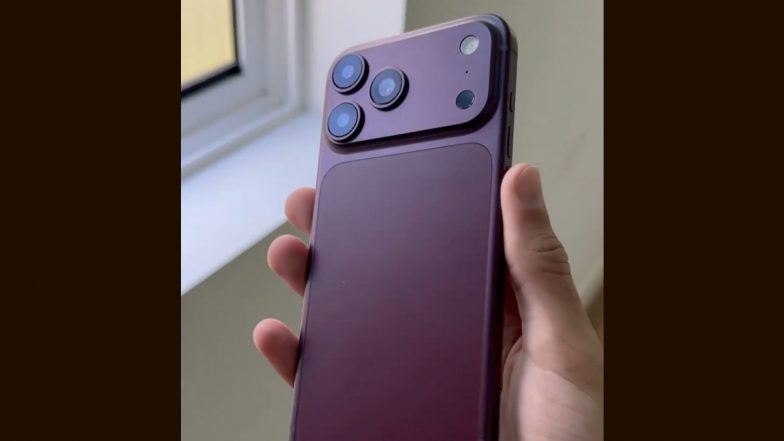
Apple is preparing to unveil its next-generation hardware lineup, with industry attention centering on the performance capabilities of the upcoming A20 Pro processor. Expected to debut alongside the iPhone 18 Pro and Pro Max models, the advanced silicon represents a major engineering shift as the company adopts cutting-edge semiconductor fabrication methods.
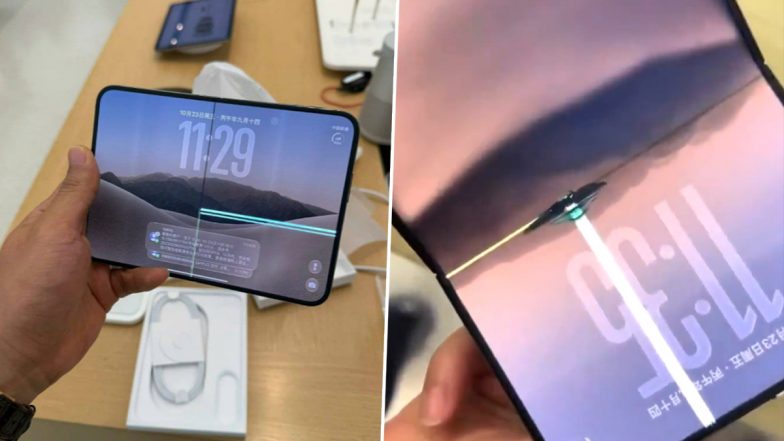
As per a report by NDTV Profit, the new processing unit is tipped to be the first smartphone chip manufactured using Taiwan Semiconductor Manufacturing Company's 2nm process. This architectural leap moves away from standard 3nm nodes by incorporating a nanosheet transistor design, aiming to deliver substantial gains in processing speed while lowering power consumption. iPhone Duo Launch Today; CEO John Ternus to Lead His 1st Apple Event, Likely to Unveil Foldable 'iPhone Ultra'.
Transitioning to 2nm Semiconductor Architecture
The shift from 3nm to 2nm involves fundamental modifications in how individual transistors are constructed on the silicon wafer. By utilizing an advanced nanosheet layout, engineers can pack significantly more transistors into the same physical footprint, allowing devices to handle intensive tasks such as high-end gaming and complex media editing without excessive thermal output.
Previous generations, including the A18 Pro and A19 Pro, relied on iterative refinements of the 3nm foundation. The transition to the 2nm node represents a much broader manufacturing upgrade, designed to maximize energy efficiency and sustain higher clock speeds during prolonged workloads.
On-Device Artificial Intelligence Capabilities
Beyond raw computing benchmarks, the architecture of the A20 Pro is expected to serve as a critical engine for machine learning tasks and computational photography. With advanced neural accelerators integrated directly into the processor framework, the silicon will manage heavy on-device artificial intelligence features locally, reducing reliance on cloud infrastructure and improving response times for users. iPhone Duo Price: Know How Much Apple's Foldable 'iPhone Ultra' Could Cost.
Market analysts note that these silicon enhancements will likely give the new Pro series a distinct competitive edge, though final benchmark metrics and efficiency verifications will depend on official disclosures once the hardware reaches consumers.
(The above story first appeared on LatestLY on Sep 09, 2026 08:56 PM IST. For more news and updates on politics, world, sports, entertainment and lifestyle, log on to our website latestly.com).