Rare Celestial Alignment: 4 Major Astronomical Events to Occur on August 12
Stargazers and astronomy enthusiasts are in for an extraordinary celestial spectacle on August 12, as four distinct astronomical events align within a single 24-hour window. The rare alignment features a six-planet parade, a total solar eclipse, a new moon phase, and the annual peak of the Perseid meteor shower.

Stargazers and astronomy enthusiasts are in for an extraordinary celestial spectacle on August 12, as four distinct astronomical events align within a single 24-hour window. The rare alignment features a six-planet parade, a total solar eclipse, a new moon phase, and the annual peak of the Perseid meteor shower. While each phenomenon occurs periodically on its own timeline, experts note that having all four coincide on the exact same date is a remarkable cosmic occurrence.
How to See the Early Morning Planetary Parade
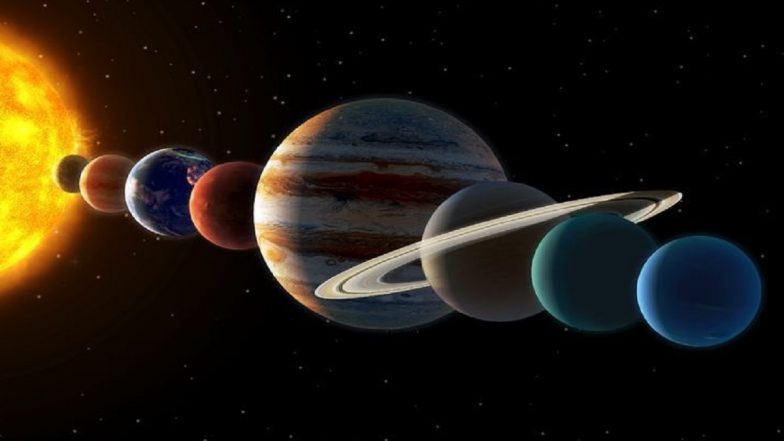
The day’s observations begin before sunrise with a display known as a "planetary parade." Six planets—Jupiter, Mercury, Mars, Saturn, Uranus, and Neptune—will appear stretched across the sky from east to west. Mars and Saturn will be easily visible to the naked eye, while viewing Uranus and Neptune will require binoculars or a telescope. Astronomers clarify that a planetary parade is an informal term used when several planets align generally within the same region of the sky, rather than forming a literal straight line in space.
Key Viewing Locations and Global Visibility
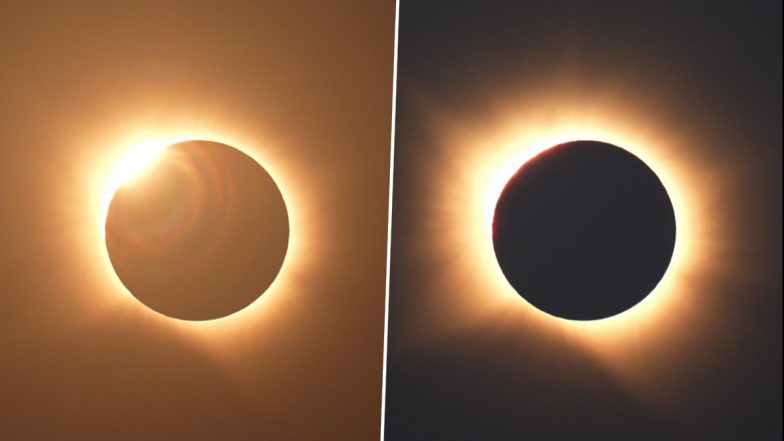
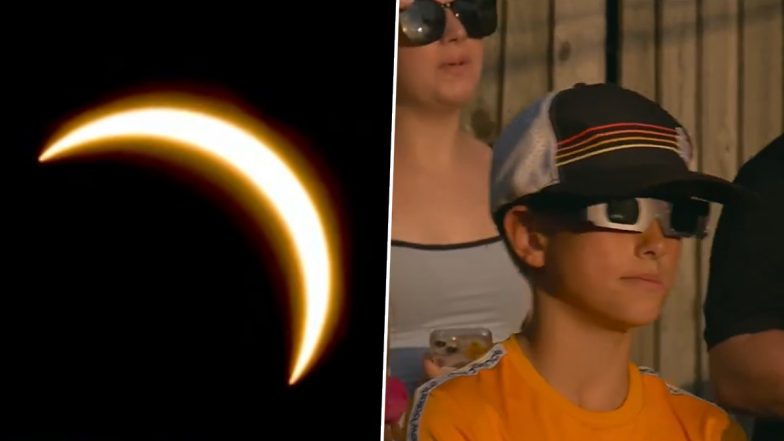
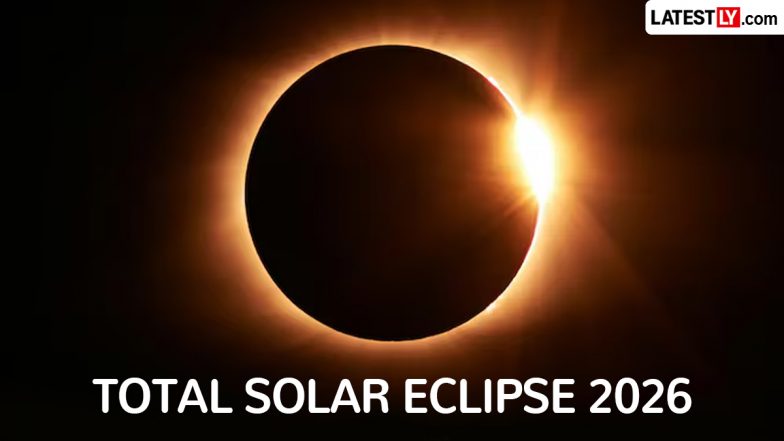
Later in the day, a total solar eclipse will take place as the Moon passes directly between Earth and the Sun. The path of totality—where day will briefly turn to night—stretches across Greenland, Iceland, and Spain. Surrounding regions across Europe, Africa, and North America will witness a partial eclipse. However, skywatchers in India will miss out on the event, as it occurs during local nighttime hours between 9:45 PM IST on August 12 and 2:15 AM IST on August 13, when the Sun is well below the horizon.
Dark Skies and the Perseid Meteor Shower Peak: Best Viewing Times
The eclipse is enabled by the Moon reaching its official New Moon phase, leaving its Earth-facing side unilluminated by sunlight. This absence of moonlight provides ideal, pitch-black conditions for the fourth major event: the peak of the Perseid meteor shower. Astronomers estimate that under these dark skies, stargazers can observe up to 100 meteors per hour, including brilliant fireballs and persistent dust trails. The best viewing times for the Perseids are projected during the early morning hours before sunrise from August 12 through August 14.
(The above story first appeared on LatestLY on Aug 09, 2026 03:42 PM IST. For more news and updates on politics, world, sports, entertainment and lifestyle, log on to our website latestly.com).