Viral Car Video: AI Prompts To Create Cinematic Driving Videos
AI tools and ready-made prompts turn still car photos into cinematic driving videos on Instagram. Creators upload images to generators, add camera and lighting instructions and produce short Reels without filming. The trend cuts costs for dealerships and content makers while keeping vehicle details accurate.

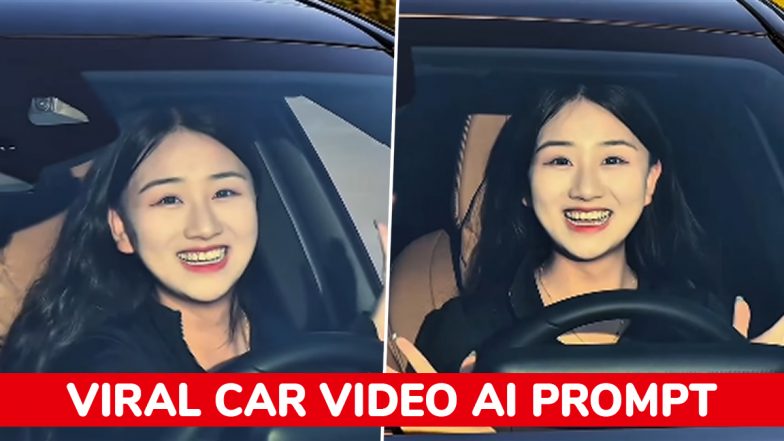
A growing trend on Instagram involves creators using AI tools and ready-made text prompts to convert ordinary car photographs into short cinematic videos of vehicles in motion. Posts highlighting these techniques, including recent reels, have drawn thousands of likes and comments as users share how to generate polished clips without traditional filming. The approach relies on image-to-video AI generators that animate still photos while preserving the original vehicle’s design. Tools such as Blend take a high-resolution car image and apply camera movements, lighting effects, and environmental details based on precise written instructions.
How the Process Works
Creators begin with a clear, well-lit photo, ideally a front three-quarter angle of the car. They upload it to an AI video platform and enter a prompt that specifies camera motion, atmosphere, and consistency requirements. The AI then generates a short clip, often in vertical 9:16 format suitable for Instagram Reels or TikTok.
Key steps include locking the car’s original body shape, wheels, headlights, and color so the vehicle remains identifiable. Prompts focus on controlled movements such as a slow camera push-in, subtle orbit, or tracking shot rather than complex multi-action scenes, which can produce inconsistent results. LOL4X Viral Video Trend Explained: Editing Tips and Creator Strategies.
Ready-to-Use Prompt Examples
One automotive marketing site has published a set of 10 copy-and-paste prompts designed for these generators. Examples include:
- A luxury car commercial style that slowly pushes the camera toward the front three-quarter view with soft studio lighting and paint reflections.
- A nighttime sports car scene on a wet city street with neon reflections and a side-to-front camera move.
- An SUV on a mountain road with tracking camera motion, natural sunlight, and subtle dust.
- A coastal road sequence at golden hour with smooth tracking alongside the vehicle.
- A rainy-night stationary car with camera movement toward the grille and realistic wet-road reflections.
Additional prompts cover showroom orbits, dealership listing-style rotations, interior dashboard pans, and minimal product shots. The guidance emphasizes keeping descriptions focused to maintain realism.
Why the Format Is Spreading
Traditional car video production requires location access, camera crews, and editing time. AI generation lets dealerships, sellers, and content creators produce multiple clips from existing inventory photos for social media, ads, and listings. Clips can be exported in formats suited to different platforms, reducing the need for repeated shoots.
Recent Instagram reels demonstrate the results: one shows a photo transformed into a cinematic car sequence, while another features a person interacting inside a vehicle in a driving-style shot. These examples have circulated widely, prompting tutorials and shared prompt lists across social platforms.
Viral AI Prompts Turn Car Photos Into Cinematic Driving Reels
View this post on Instagram
View this post on Instagram
Practical Considerations
Results depend on source image quality and prompt clarity. Users are advised to specify realistic movement, consistent vehicle details, and simple camera paths. Overly ambitious requests that combine driving, rotation, and multiple location changes in one short clip often reduce fidelity. Platforms such as Blend allow iteration with different presets and images from the same photo set. Viral Pur Motu Patlu Video Trend Explained.
The trend reflects broader adoption of AI video tools for product visualization. As generators improve at handling reflections, motion, and structural consistency, more automotive content is expected to shift from full production shoots to photo-based animation workflows.
(The above story first appeared on LatestLY on Sep 23, 2026 11:38 AM IST. For more news and updates on politics, world, sports, entertainment and lifestyle, log on to our website latestly.com).