Why Is Google Seeking Approval To Release 32 Million Mosquitoes in California and Florida?
Google has approached US federal regulators seeking permission to release up to 32 million mosquitoes across parts of California and Florida as part of an ambitious effort to curb mosquito-borne diseases. Rather than reducing mosquito populations through conventional methods, the tech giant's proposal focuses on disrupting the breeding cycle of disease-carrying insects.

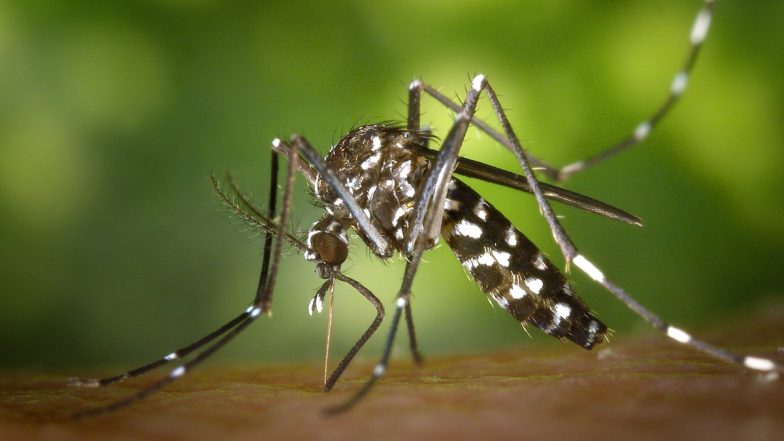
Google has approached US federal regulators seeking permission to release up to 32 million mosquitoes across parts of California and Florida as part of an ambitious effort to curb mosquito-borne diseases. Rather than reducing mosquito populations through conventional methods, the tech giant's proposal focuses on disrupting the breeding cycle of disease-carrying insects.
Why Google Wants to Release Millions of Mosquitoes
According to reports, the mosquitoes involved in the project would be specially treated so they cannot transmit diseases. The goal is to reduce the population of mosquitoes capable of spreading harmful pathogens, ultimately lowering the risk of illnesses such as dengue, Zika and other mosquito-borne infections. World's Deadliest Killer: Mosquitoes Are Biggest Cause of Human Deaths Around the World!
The proposed programme is designed to target disease transmission rather than increase mosquito numbers in affected areas.
Release Plan to Be Carried Out Over Two Years
Google's mosquito-release initiative would not happen all at once. The company plans to conduct the releases gradually over a two-year period, allowing researchers to monitor outcomes, assess effectiveness and make adjustments where necessary. Mosquitoes Found in Iceland for the First Time as Warming Climate Transforms the Arctic.
The selected locations are expected to include regions that have experienced higher levels of mosquito-related disease transmission.
Federal Approval Still Required
Before the project can move forward, Google must obtain approval from federal regulators. Authorities are expected to examine environmental impact assessments, safety data and monitoring strategies before making a decision.
Regulators will weigh the potential public health benefits against any ecological concerns associated with releasing millions of mosquitoes into the environment.
Scientists Continue Exploring New Mosquito-Control Methods
The proposal comes amid ongoing scientific efforts to better understand mosquito behaviour and develop innovative disease-control strategies.
A recent study published in the Journal of Experimental Biology found that mosquitoes may learn to associate the smell of commonly used insect repellents with food sources. Researchers observed that repeated exposure altered the insects' response to certain smells, suggesting that mosquito behaviour can adapt over time.
Lead study author Claudio Lazzari said the findings indicate mosquitoes are repelled not because the chemicals are inherently toxic, but because of how the insects interpret the chemical signals.
What Happens Next?
Google's proposal remains under regulatory review, and no mosquito releases can begin until approval is granted. If cleared, the company will closely track the impact of the programme over the next two years and use the findings to determine future disease-control efforts.
The unusual initiative could become one of the largest mosquito-control experiments in the United States, potentially offering a new approach to reducing the spread of mosquito-borne diseases.
(The above story first appeared on LatestLY on May 31, 2026 10:03 PM IST. For more news and updates on politics, world, sports, entertainment and lifestyle, log on to our website latestly.com).