British Photographer Diagnosed With Rare Flesh-Eating Eye Infection After Swimming in Bali
UK photographer Matt Flack contracted acanthamoeba keratitis, a rare parasitic eye infection, after swimming in Bali with contact lenses. Facing severe pain and a lengthy treatment, he is now warning others about the risks of wearing lenses in water. 'It’s important for contact lens wearers to realize just because you wear dailies doesn’t mean you’re safe,' he said.

A 38-year-old photographer from the United Kingdom is facing an uncertain medical prognosis after contracting a rare, parasitic eye infection during a trip to Bali. Matt Flack, a long-time contact lens wearer from Colchester, Essex, discovered he had contracted acanthamoeba keratitis - a severe condition caused by a microscopic amoeba - following a two-month holiday that included swimming and surfing.
Onset of Symptoms and Initial Misdiagnosis
Flack's ordeal began toward the end of his tropical getaway when his left eye became red, watery, and gritty, reports People. Initially attributing the discomfort to sand and saltwater exposure from surfing, he removed his contact lenses and expected the irritation to subside. What Is Rough Sleeping and Why Does UK PM Andy Burnham Want To End It?
Upon returning to the UK, the condition worsened significantly, leaving him with extreme light sensitivity and constant watering. Local medical evaluations initially pointed toward potential chemical damage, leading to a prescription for antiseptic drops and a subsequent corneal scraping procedure at an eye clinic. However, specialised scans and corneal microscopy ultimately revealed the true culprit: acanthamoeba keratitis. The rare condition occurs when a parasite affects the outermost layer of the cornea before extending deeper into eye tissue.
“It’s essentially a parasite eating away at my eye,” Flack said. “When the doctors told me it was that, I [felt] big panic and I was very scared. I’m not ashamed to admit I had a little cry. At that point, I thought, ‘Well, I’m going to lose an eye'," he said.
Treatment and Ongoing Recovery
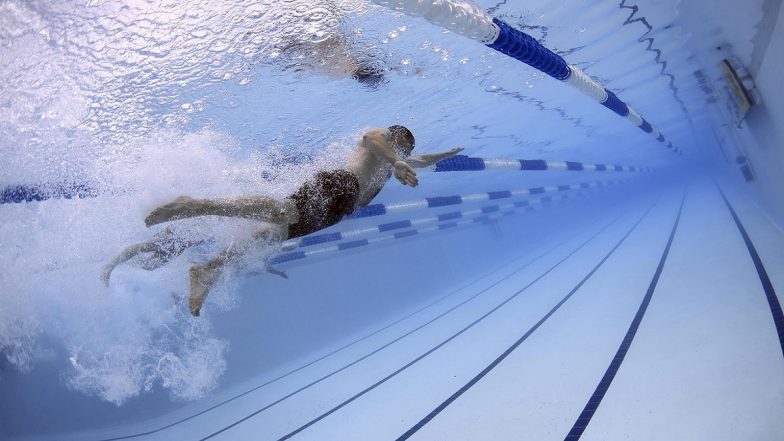
Flack believes he contracted the parasite from a swimming pool while wearing his contact lenses, admitting he had been unaware of the heightened risks associated with water exposure. Doctors have placed him on an intensive three-month regimen of specialised eye drops to eliminate the infection. Due to severe photosensitivity, Flack has spent much of his recovery confined to darkened rooms. While he hopes the medication will clear the parasite, future medical interventions could include a corneal transplant or more invasive surgeries if the infection resists treatment. Lincolnshire: Former Teacher Admits to Having S*x With Teenage Boy; Victim Says 'Unable To Simply Enjoy Being a Child'.
Warning to Fellow Contact Lens Wearers
Reflecting on the experience, Flack has vowed never to wear contact lenses again and is urging others to exercise caution. “It’s important for contact lens wearers to realize just because you wear dailies doesn’t mean you’re safe. I wore daily contacts, and here I am,” Flack said. “If I can just get a couple of people to take their contacts out before they fling themself into a swimming pool, that’ll be good news because no one needs to go through this," he added.
(The above story first appeared on LatestLY on Aug 24, 2026 03:35 PM IST. For more news and updates on politics, world, sports, entertainment and lifestyle, log on to our website latestly.com).