France Extends Curfews After Violent Protests Over Rising Living Costs, Massive Security Operation Planned
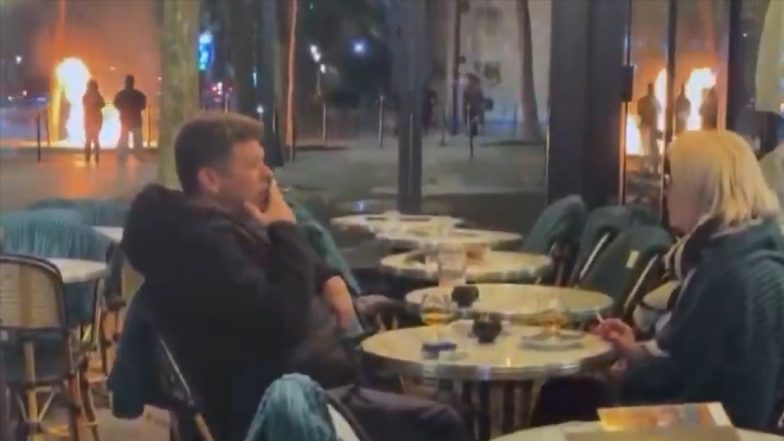
France has extended localised overnight curfews and is preparing a major security operation ahead of fresh demonstrations scheduled for October 24, as the government struggles to contain violent unrest linked to rising living costs and concerns over deteriorating school conditions.

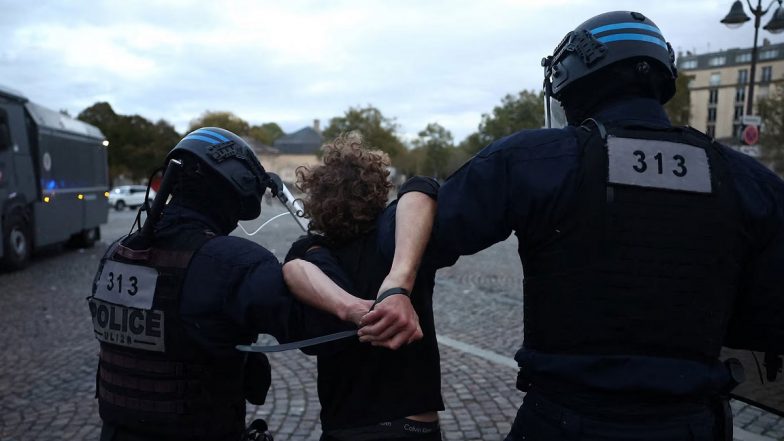
France has extended localised overnight curfews and is preparing a major security operation ahead of fresh demonstrations scheduled for October 24, as the government struggles to contain violent unrest linked to rising living costs and concerns over deteriorating school conditions. Prime Minister Sébastien Lecornu has promised a massive police deployment after riots, looting and damage to public buildings and businesses affected several French cities.
France Extends Curfews After Weekend of Riots
Authorities have continued curfew measures in areas affected by the unrest, including parts of Paris and Lyon. In the French capital, restrictions cover areas around Place de la République and the Les Halles shopping district, while Lyon has also maintained overnight restrictions in its city centre.
The measures follow a relatively calm night on Monday, October 19, after violent incidents over the weekend. Authorities have said the targeted restrictions helped restore public order and prevent further looting. Some other cities have also introduced restrictions, including measures affecting minors. France Arrests 1,800 After Nationwide Protests Turn Violent, Businesses Looted and Public Buildings Attacked.
Massive Security Deployment Planned for October 24
Lecornu has promised a large-scale security operation for the next round of demonstrations scheduled for Saturday, October 24. The government is planning to reinforce police deployment, with military personnel expected to support security operations. The announcement came after officials acknowledged shortcomings in the response to the October 17 unrest. Interior Minister Laurent Nuñez admitted that authorities had underestimated the scale of the disturbances and that policing strategies had failed to adequately protect some city centres.
More Than 2,500 People Taken Into Police Custody
More than 2,500 people had been taken into police custody by Monday evening, Justice Minister Gérald Darmanin said, according to CBS News. The unrest involved looting, fires and damage to public buildings and commercial establishments. One of the most serious incidents was the destruction of a historic town hall in Limoges, central France. Police arrested a suspect in connection with the fire, while investigators continued efforts to identify people involved in the violence. French Govt Extends Curfews Amid Nationwide Protests over Rising Living Costs.
Protests Began Over School Conditions and Rising Living Costs
The demonstrations initially gathered momentum in mid-September, when high school students and teachers raised concerns about overcrowded classrooms, deteriorating school buildings and teacher shortages. The movement subsequently expanded to include wider grievances over living costs, fuel prices and declining public services.
Student groups have pledged to continue pressing the government for improvements in education. Yellow Vest activists, a movement that emerged in 2018 over fuel taxes and economic grievances, have also called for further protests over rising fuel costs.
Macron Faces Pressure Over Security Failures
President Emmanuel Macron's government is facing criticism over its handling of the unrest. Nuñez acknowledged failures in the security response and offered to resign, but Macron declined his offer. The government has promised to review policing tactics, while a parliamentary inquiry is being established to examine the causes of the unrest and the authorities' response. The protests have also intensified political pressure on the administration as it faces economic constraints and divisions in Parliament.
Economic Pressures Add to the Crisis
France's fiscal position is complicating efforts to address public concerns. The country's public debt stood at nearly €3.6 trillion at the end of June, equivalent to around 119% of annual economic output, according to figures cited by CBS News. The government is also seeking to reduce the budget deficit while maintaining public services. The combination of economic pressure, dissatisfaction with education and concerns about living standards has widened the scope of the demonstrations beyond their original demands.
The coming demonstrations on October 24 will be an important test of the government's security measures and its ability to prevent further violence while addressing the concerns raised by protesters.
(The above story first appeared on LatestLY on Oct 21, 2026 09:32 AM IST. For more news and updates on politics, world, sports, entertainment and lifestyle, log on to our website latestly.com).