What Is White House Accord on Superintelligence That Elon Musk, Mark Zuckerberg and Others Signed?
US President Donald Trump and technology leaders including Elon Musk, Mark Zuckerberg, Sundar Pichai and Dario Amodei signed the voluntary White House Accord on Super Intelligence on September 29, 2026. The agreement calls for internal AI safety controls, dedicated oversight teams, independent audits and board-level reviews for frontier models.

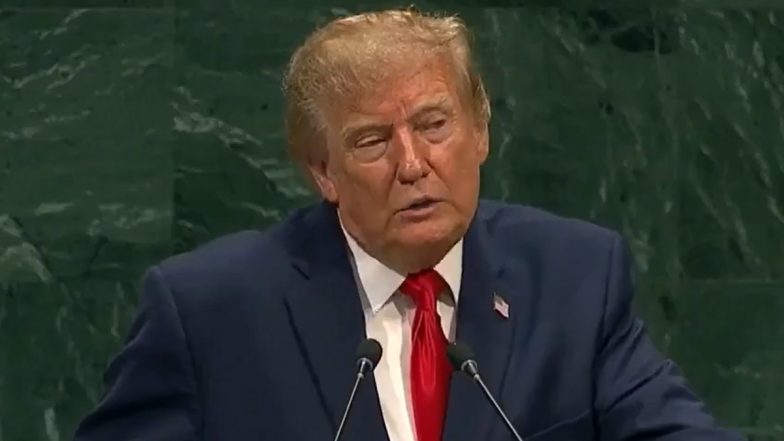
President Donald Trump and leaders of several major American technology companies signed a voluntary agreement on 29 September 2026 known as the White House Accord on Super Intelligence. Officially titled the Joint Commitment on Frontier Responsibilities, the document sets out shared principles for the safe development of advanced artificial intelligence systems, which the administration now refers to as Super Intelligence.
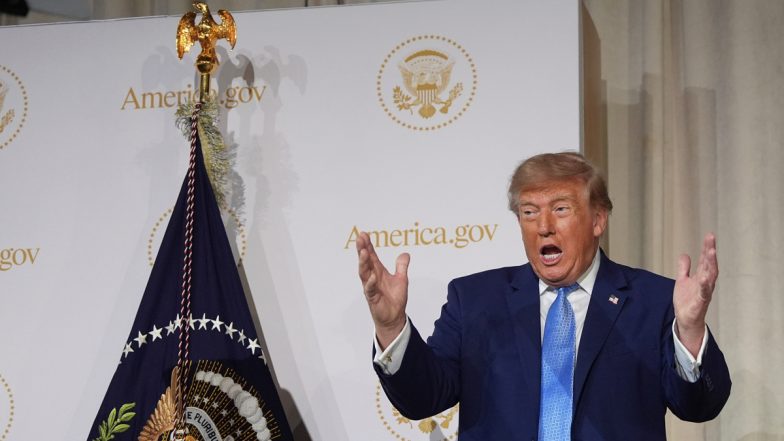
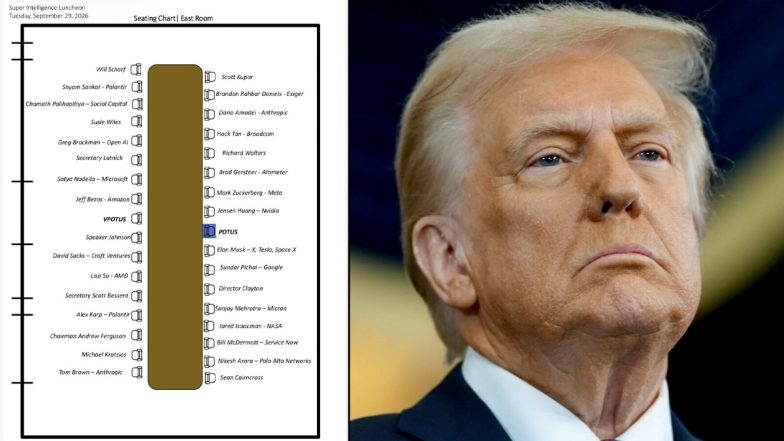
The accord was signed at the White House following a meeting and luncheon attended by executives including Meta chief executive Mark Zuckerberg, SpaceX and Tesla chief executive Elon Musk, Anthropic chief executive Dario Amodei, Google chief executive Sundar Pichai, Nvidia chief executive Jensen Huang and OpenAI president Greg Brockman. President Trump also signed the document. What White House Accord on Superintelligence Says and Who Signed It.
Core Commitments of the Accord
The agreement requires each company developing frontier models to implement four layers of controls and audits. First, firms must put in place robust internal controls to monitor the capabilities and alignment of their models during training and deployment. These controls cover areas such as cybersecurity, biosecurity and chemical threats, and aim to prevent models from accessing technical systems in unintended ways.
Second, each company must maintain an internal team responsible for ensuring that the controls, monitoring and detection systems are operating as intended. Third, companies agree to partner with an independent external auditor or evaluator to carry out independent assessments of whether those systems are working correctly. Fourth, an independent committee of the company’s board of directors must receive reports from both the internal teams and external evaluators and take steps to address any issues identified.
Purpose and Nature of the Agreement
The stated goal is to ensure that the technology behaves as intended and to build public trust. Companies accept responsibility for developing their systems safely. Trump described the accord as “morally binding” and compared it to a constitution, while emphasising that the industry would engage in self-policing.
The document notes that the measures represent a starting point. It states that over time it may make sense to turn these steps into formal laws or regulations. Regardless of future legal requirements, the signatories committed to implementing the controls and audits.
Context of the Signing
The accord emerged from a White House event focused on Super Intelligence, the term the Trump administration has adopted in place of artificial intelligence through a separate executive order. The meeting brought together leaders from companies involved in chips, data centres and frontier model development. Participants discussed the rapid growth of the technology, its economic impact and the need for responsible oversight without waiting for international agreements.
As per a report by Forbes, The White House has released the “White House Accord on Super Intelligence”, a voluntary agreement signed by President Donald Trump and major AI industry leaders. The 308-word accord outlines four layers of AI safety controls: internal safeguards, dedicated monitoring teams, independent external audits and board-level oversight. It focuses on risks including cybersecurity, biosecurity, chemical threats and unintended access to technical systems. Who’s Seating Where at Donald Trump’s White House ‘Super Intelligence’ Lunch.
The agreement is not a new law and instead relies on voluntary industry self-regulation. Trump described it as “morally binding” and compared it to a constitution, while the document says the measures could eventually be turned into laws or regulations. Trump also rejected calls for additional formal guardrails, emphasising self-policing as AI companies develop increasingly capable systems.
(The above story first appeared on LatestLY on Sep 30, 2026 07:59 AM IST. For more news and updates on politics, world, sports, entertainment and lifestyle, log on to our website latestly.com).