Is Tata Sons vs Tata Trusts Boardroom War Over Chairman N Chandrasekaran Threatening Company Legacy?
Tata Sons is facing a governance dispute after its board voted to extend Chairman N Chandrasekaran’s tenure by five years despite opposition from Tata Trusts Chairman Noel Tata. The Trusts have questioned the validity of the reappointment, while the board has also backed plans to comply with RBI requirements for a public listing of Tata Sons.

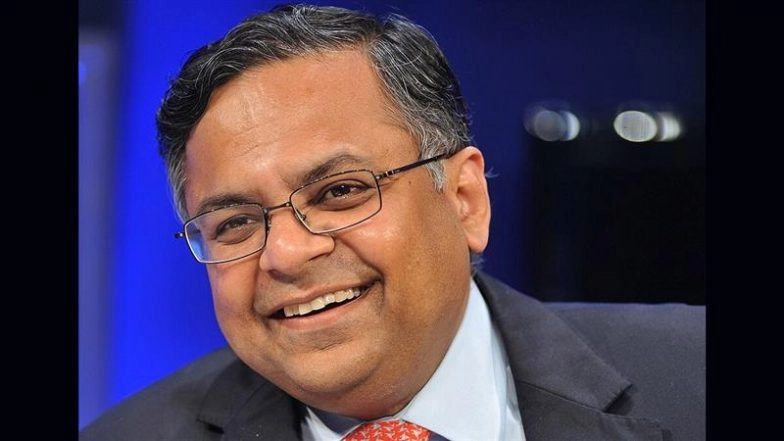
A high-stakes corporate governance crisis has erupted at the core of India's largest industrial conglomerate, pitching the holding company's board directly against its primary philanthropic majority shareholder. The internal rift widened significantly after directors voted to reverse a recent resignation notice and grant a fresh five-year term to the incumbent leader, running into sharp opposition from the trusts.
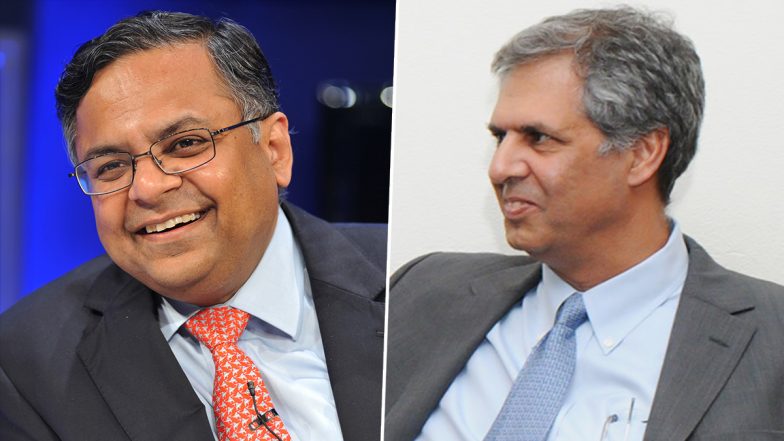
As per a report by Firstpost, Tata Trusts Chairman Noel Tata strongly opposed both the leadership extension and parallel moves toward a public stock listing during a marathon meeting at Bombay House, terming the reappointment process legally void. This rare public confrontation exposes profound structural friction regarding regulatory compliance, ownership control, and the future strategic direction of the historic business house. N Chandrasekaran Reconsiders Exit, Gets Reappointed Tata Sons Executive Chairman for 5 More Years.
Tata Sons Chairman Leadership Dispute and Boardroom Friction
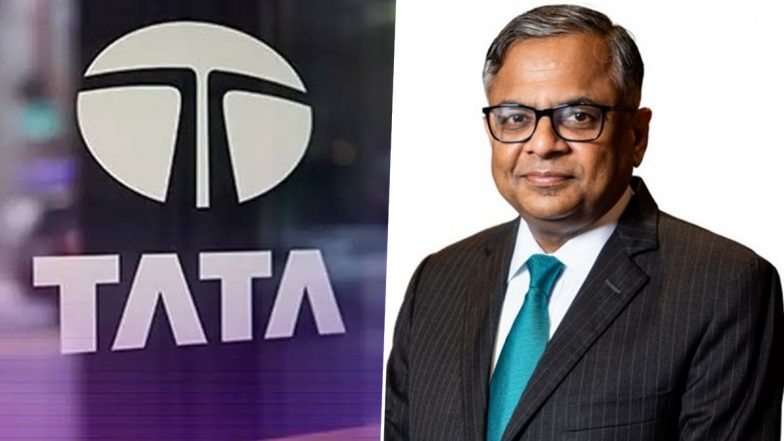
The epicenter of the current turbulence involves the dramatic sequence surrounding Tata Sons chairman Natarajan Chandrasekaran. Having previously signaled his intention to step down upon the conclusion of his current tenure in February 2027, Chandrasekaran accepted a subsequent board request to reconsider. A majority vote of four to one approved his continuation for another five years to maintain stability during upcoming market transitions.
However, leadership from Tata Trusts countered that the initial resignation had already attained finality once communicated. Representatives argued that pushing through an extension without unanimous backing from trust nominees violates established articles of association, setting off a dangerous governance dispute that threatens institutional harmony.
Regulatory Pressures and Public Listing Controversy
Parallel to the executive leadership clash, the board agreed to comply with a strict Reserve Bank of India directive mandating the public listing of the core holding company. While corporate managers view the public float as an unavoidable step to meet financial regulations and unlock long-term value, major trust leadership strongly resists the transformation. Tata Sons Board Votes to Reappoint N Chandrasekaran as Chairman for Third 5-Year Term.
Critics within the philanthropic bodies contend that converting a century-old private holding structure into a publicly traded entity risks diluting its foundational character. As both sides trade legal arguments over authority and compliance, stakeholders across the corporate landscape wait to see how the conglomerate will navigate its deepest internal crisis in decades.
(The above story first appeared on LatestLY on Sep 18, 2026 02:40 PM IST. For more news and updates on politics, world, sports, entertainment and lifestyle, log on to our website latestly.com).