SpaceX IPO Debut: Know Steps To Buy SPCX Stock As Elon Musk's Aerospace Giant Hits Nasdaq at USD 1.77 Trillion Valuation
SpaceX priced its historic initial public offering (IPO) at USD 135 per share to debut on the Nasdaq today under ticker SPCX. Raising USD 75 billion at a USD 1.77 trillion valuation, it is the largest IPO in history. While backing massive space and AI integration, the company allocated a rare 30 per cent of its public float to retail investors.

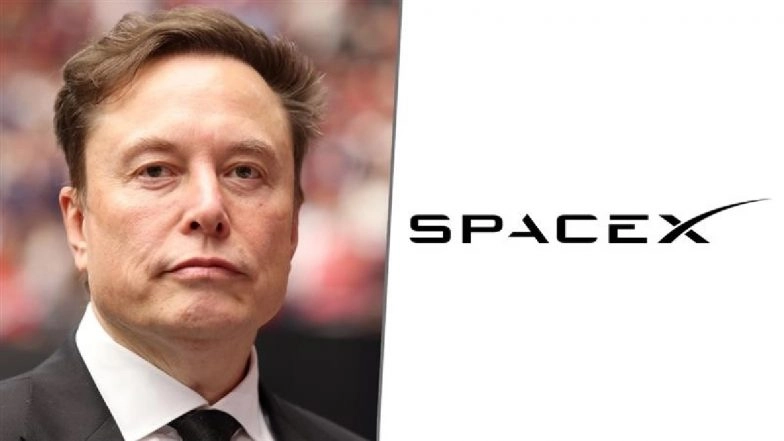
Space Exploration Technologies Corp. (SpaceX) has officially priced its record-breaking initial public offering (IPO) at USD 135 per share, clearing the path for its highly anticipated public market debut on the Nasdaq exchange today, June 12. Trading under the ticker symbol SPCX, the offering is set to raise a staggering USD 75 billion through the sale of 555.6 million shares. The valuation places the Elon Musk-led aerospace, satellite, and artificial intelligence giant at a historic USD 1.77 trillion, immediately ranking it among the largest publicly traded corporations in the United States.
The transaction effectively shatters the previous global record held by Saudi Arabia’s state oil company, Saudi Aramco, which raised UAD 25.6 billion in 2019. Institutional and retail demand heavily outstripped supply during the bookbuilding phase, drawing over USD 250 billion in total orders - roughly 3.5 times the available float. SpaceX IPO: Elon Musk’s Aerospace Giant Prices Shares at USD 135; Hits Record USD 1.77 Trillion Valuation Ahead of Nasdaq Debut.
SpaceX's Corporate Restructuring and Financial Metrics
The road to the public markets involved significant structural changes for SpaceX earlier this year. In February 2026, Musk formally merged his artificial intelligence startup, xAI (the makers of the Grok chatbot), into SpaceX in a vertical integration strategy. The merger sought to combine SpaceX’s orbital satellite network with high-performance AI infrastructure, including the company’s massive "Colossus 1" data center facility.
According to the company's SEC Form S-1 registration statement, the unified entity is experiencing heavy capital expenditure costs. While SpaceX brought in USD 18.7 billion in full-year 2025 revenue, it reported a massive GAAP net loss of USD 4.94 billion for 2025, which accelerated into a USD 4.28 billion net loss in the first quarter of 2026 alone. The core driver of these deficits stems from aggressive AI infrastructure spending, which is currently burning through approximately USD 2.5 billion per quarter.
Conversely, Starlink - the company's low-Earth orbit satellite internet subsidiary - remains its primary commercial engine. Starlink generated 61 per cent of SpaceX's overall revenue in 2025 (USD 11.4 billion) and currently boasts over 10.3 million global broadband subscribers. Though rumours long suggested Starlink might be spun off as an independent public entity, leadership ultimately chose to debut the entire integrated SpaceX umbrella.
Allocation Strategy and the Retail Allotment
Unlike standard mega-cap IPOs that historically favour massive institutional asset managers and sovereign wealth funds, SpaceX has implemented an unconventional distribution structure. Musk mandated that a substantial portion of the public float - roughly 30 per cent - be allocated specifically to retail and individual small investors. This localised distribution strategy compressed allocations for major Wall Street entities. While sovereign funds from Saudi Arabia, Qatar, and Kuwait secured allocations crossing USD 1 billion, and BlackRock requested more than USD 5 billion in shares, numerous prominent hedge funds reportedly saw their requested share packages sharply reduced by underwriting banks to protect the retail allocation pool.
How To Buy SpaceX (SPCX) Stock
As active public trading commences on the Nasdaq, individual investors looking to buy shares can navigate the secondary market through standard legal channels:
Establish an Active Brokerage Account: Prerequisite
Log into a mainstream retail brokerage platform (such as Charles Schwab, Fidelity, Robinhood, or E*TRADE) with cleared capital ready for deployment.
Execute a Search for the Verified Ticker
Type the official ticker symbol SPCX into your platform's order entry terminal. Ensure you are selecting the common stock equity and not alternative financial products.
Review Initial Volatility and Market Spreads
Monitor the opening bid-ask spreads carefully. Newly listed equities frequently experience immediate "IPO pops" or drastic price fluctuations within the first hours of active volume.
Utilise Limit Orders for Price Protection:
Submit a Limit Order rather than a Market Order. This specifies the maximum price per share you are willing to pay, preventing unexpected execution at inflated prices during heavy trading momentum.
Index Integration and Future Outlook
To support liquidity for the historic listing, major index providers are accelerating their typical entry protocols. Nasdaq has authorised "fast entry" rules that will sweep SpaceX into the widely tracked Nasdaq 100 index after just 15 days of active trading. Similarly, FTSE Russell adopted a rapid five-day integration rule to automatically insert the stock into the Russell 1000 and Russell 3000 indices. Elon Musk Set To Become World’s 1st Trillionaire Following Record SpaceX IPO; Net Worth To Surpass USD 1.1 Trillion.
Proceeds from the USD 75 billion capital raise will immediately go toward servicing a USD 20 billion bridge loan taken out during the spring corporate mergers, with the remaining multi-billion dollar balance directly funding the construction of space-based AI data centers and the orbital deployment of Starlink's next-generation V3 satellite constellations.
(The above story first appeared on LatestLY on Jun 12, 2026 12:35 PM IST. For more news and updates on politics, world, sports, entertainment and lifestyle, log on to our website latestly.com).