SpaceX IPO: Elon Musk’s Aerospace Giant Prices Shares at USD 135; Hits Record USD 1.77 Trillion Valuation Ahead of Nasdaq Debut
SpaceX has priced its historic IPO at USD 135 per share, raising USD 75 billion and achieving a USD 1.77 trillion valuation. The record-breaking offering sets the stage for today's Nasdaq debut. The company's valuation hinges on its future AI and aerospace ambitions, despite reliance on government contracts and ongoing competition.

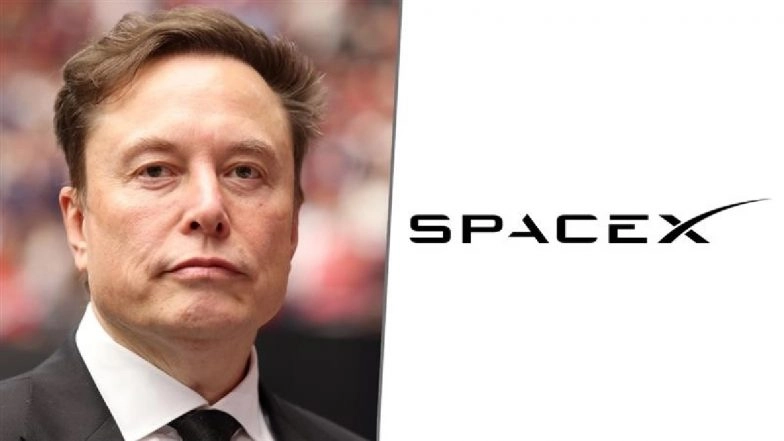
SpaceX has officially priced its initial public offering (IPO) at USD 135 per share, marking the largest-ever public offering in United States history. By raising USD 75 billion through the sale of 555.56 million shares, the company has achieved a total market valuation of USD 1.77 trillion. This milestone cements Elon Musk’s aerospace and satellite enterprise as one of the most valuable companies globally, surpassing the valuations of major corporations including JPMorgan Chase, Meta Platforms, and Tesla.
Historic Valuation and Market Debut
The SpaceX IPO represents a watershed moment for Wall Street, with the company’s valuation outstripping the previous record set by Saudi Aramco in 2019. Despite recording a loss last year and facing scepticism from analysts regarding its financial metrics, investor demand remains robust. SpaceX shares are scheduled to begin trading on the Nasdaq exchange today, with market observers closely monitoring whether the firm’s valuation can maintain momentum following its high-profile debut. SpaceX IPO Attracts Over USD 250 Billion in Investor Demand, Shaping Up To Be the Largest Offering in History.
SpaceX has employed an unconventional approach to this IPO, prioritising retail investors by allocating 30% of the available shares to them—a significantly higher proportion than standard market practices. Furthermore, Musk has structured the company’s governance to maintain strong founder control, retaining 82% of the voting power post-offering.
The Strategic Role of Starlink and AI
While SpaceX’s mission statement focuses on making life multiplanetary, its current revenue streams are largely driven by the Starlink satellite internet unit. Starlink currently connects millions of users across 164 countries, providing the financial backbone for the company’s broader operations. Additionally, the company is positioning its xAI division as a major future growth engine, leveraging proprietary real-time data from the X platform to compete in the expanding AI infrastructure market. Elon Musk’s xAI Sued by Former Engineer Over Grok Safety Whistleblowing Claims Ahead of SpaceX IPO.
Market analysts, however, highlight the inherent risks associated with the company’s lofty valuation. A significant portion of SpaceX’s future depends on government contracts and the commercialisation of space, a sector where competition is intensifying from rivals such as Blue Origin. As trading commences, the market will determine if SpaceX can transition from a visionary enterprise into a sustained, profitable juggernaut capable of justifying its trillion-dollar status.
(The above story first appeared on LatestLY on Jun 12, 2026 08:45 AM IST. For more news and updates on politics, world, sports, entertainment and lifestyle, log on to our website latestly.com).