Why Milk Prices Are Rising in Maharashtra by INR 2 per Litre From August 11
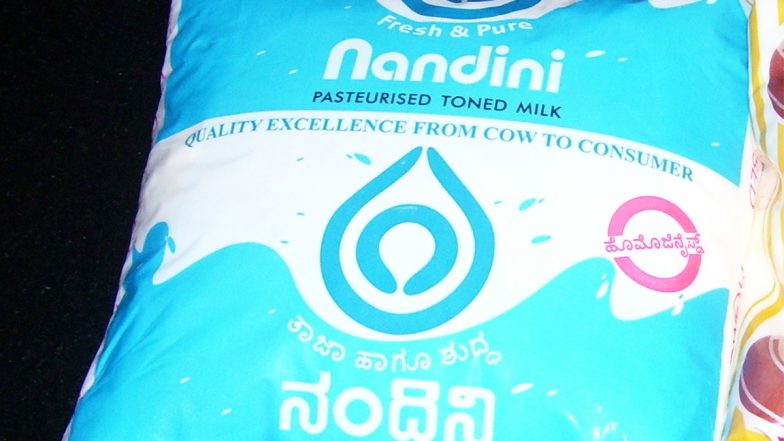
Consumers in Maharashtra will have to pay more for their daily milk supply starting Tuesday, August 11. The retail prices of both cow and buffalo milk are set to increase by Rs 2 per litre across the state following a unified decision by major cooperative and private dairies.


Consumers in Maharashtra will have to pay more for their daily milk supply starting Tuesday, August 11. The retail prices of both cow and buffalo milk are set to increase by Rs 2 per litre across the state following a unified decision by major cooperative and private dairies.
The price revision was finalized during a recent meeting of the Milk Producers and Processors Welfare Association, chaired by its president, Gopalrao Mhaske. In addition to the hike in liquid milk prices, the association announced that the rates of various dairy by-products will also increase by up to 10 percent. Milk Prices in Maharashtra to Rise by Rs 2 Per Litre from August 11.
Industry representatives attributed the hike to mounting operational and logistical expenses. According to the association, a recent Rs 10 per litre increase in diesel prices has heavily impacted transportation budgets. Furthermore, dairy packaging costs have surged by nearly 30 percent over the past several months.
Higher procurement rates—the price dairies pay to local farmers for raw milk—have also factored into the decision, with processors anticipating further procurement cost increases in the near future.
This state-level price hike comes amid broader national discussions regarding dairy economics and farmer compensation. Just last month, the central government clarified that it has no proposal to introduce a Minimum Support Price (MSP) for milk. Maharashtra Milk Price Hike From August 11: Milk To Cost INR 2 More per Litre.
Responding to a query in the Lok Sabha, Minister of Fisheries, Animal Husbandry and Dairying Rajiv Ranjan Singh stated that milk prices will remain a market-driven process, determined entirely by cooperatives and private entities based on supply, demand, and input costs.
While ruling out an MSP, the government noted it is focusing on infrastructure and capacity building to protect dairy farmers. Official data presented to Parliament highlighted that 36,283 new village-level Dairy Cooperative Societies have been established by March 2026.
Additionally, the central government has expanded the country's daily milk chilling capacity by 168 lakh litres and approved value-addition infrastructure capable of processing 418 lakh litres per day, aiming to bring more rural milk producers into the organized sector.
(The above story first appeared on LatestLY on Aug 09, 2026 05:01 PM IST. For more news and updates on politics, world, sports, entertainment and lifestyle, log on to our website latestly.com).