Quit India Movement Day 2026: Why Mahatma Gandhi's Call for 'National Unity, Democracy and Civil Courage' Still Resonates Today
Quit India Movement Day 2026, observed on August 8, commemorates Mahatma Gandhi's historic 1942 call for an immediate end to British rule in India. This powerful movement's iconic 'Do or Die' slogan galvanized the nation, demonstrating unwavering resolve for self-determination. Discover the profound significance of this pivotal event and how its core.

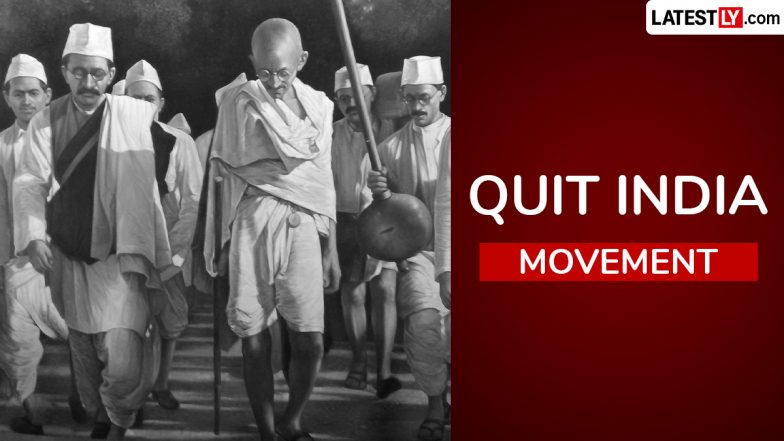
As India marks Quit India Movement Day today, August 8, 2026, the nation reflects on a pivotal moment in its struggle for independence. This significant day commemorates Mahatma Gandhi's resounding call in 1942 for an immediate end to British colonial rule, igniting a mass movement that demonstrated the unwavering spirit of the Indian people. The principles of national unity, democracy and civil courage championed during this movement resonate deeply, offering invaluable lessons for contemporary India.
The Historic Call to Action
The Quit India Movement, also known as the Bharat Chhodo Andolan or August Kranti, was formally launched on August 8, 1942, at the Bombay session of the All India Congress Committee (AICC). It was at the historic Gowalia Tank Maidan, now known as August Kranti Maidan in Mumbai, that Mahatma Gandhi delivered his iconic "Do or Die" speech, urging Indians to act as an independent nation and commit fully to the struggle for freedom.
This powerful address followed the failure of the Cripps Mission, which had offered dominion status post-war but rejected immediate self-government, further intensifying the demand for complete independence. While the slogan "Quit India" itself is attributed to socialist leader Yusuf Meherally, Gandhi's embrace of it made it a nationwide rallying cry. Quit India Movement Day 2026: Date, Lesser-Known Facts and Impact.
A Movement for National Unity and Civil Courage
The movement saw unprecedented participation from all sections of society, including students, workers, and peasants, transcending social classes and highlighting the collective desire for self-rule. Despite the immediate arrest of prominent Congress leaders, including Gandhi, Jawaharlal Nehru, and Sardar Vallabhbhai Patel, the movement continued with grassroots leaders like Aruna Asaf Ali, Jayaprakash Narayan, and Ram Manohar Lohia emerging to steer the resistance. The Quit India Movement demonstrated the willingness of ordinary Indians to take decisive action, underscoring the necessity of decolonisation to the British government. Gandhi's vision for a non-violent struggle for democracy emphasized equal freedom for all, urging people to forget differences and unite as Indians.
Resonating Today: Democracy and Unity
Over eight decades later, the themes of national unity, democracy, and civil courage championed during the Quit India Movement remain profoundly relevant. The observance inspires citizens to reaffirm their commitment to these values, fostering patriotism and collective responsibility. Gandhi's unwavering belief in an inclusive India, where every individual is their own master and communal divides are overcome for the common struggle, serves as a timeless reminder. The movement's legacy underscores that genuine democracy thrives on active citizen participation and a united front against any forces that threaten national integrity.
How India Observes Quit India Movement Day
Quit India Movement Day, also referred to as August Kranti Diwas, is not an official public holiday but is widely observed across India. Commemorations typically include:
- Parliamentary Tributes: Both Houses of Parliament observe the anniversary with formal tributes to the freedom fighters.
- Memorial Ceremonies: Political leaders and citizens gather at historical sites like August Kranti Maidan in Mumbai to offer floral tributes at memorials such as the Gandhi Smruti Stambh.
- Educational Events: Various cultural events, seminars, and educational initiatives are organised in schools and colleges to educate younger generations about the movement's history and significance, connecting a specific historic date with a larger national movement of mass resistance.
The day serves as a solemn occasion to honour the immense sacrifices made by countless Indians and to reflect on the enduring principles that paved the way for India's independence.
Quit India Movement Day continues to be a powerful reminder of India's collective strength and its journey towards self-determination. It beckons us to remember the sacrifices, uphold the values of unity and democracy, and embody the civil courage that defined a generation in their pursuit of a free India.
(The above story first appeared on LatestLY on Aug 08, 2026 05:18 AM IST. For more news and updates on politics, world, sports, entertainment and lifestyle, log on to our website latestly.com).