DR Congo Ebola Outbreak Becomes Country’s Largest Ever, WHO Warns of Rapid Spread
The WHO says the Bundibugyo virus disease outbreak in DR Congo has become the country's largest Ebola outbreak ever, with 3,605 confirmed cases and 1,587 deaths as of July 30, 2026. The virus has spread across five provinces, prompting warnings over continued transmission, humanitarian challenges and the need for stronger surveillance and response efforts.

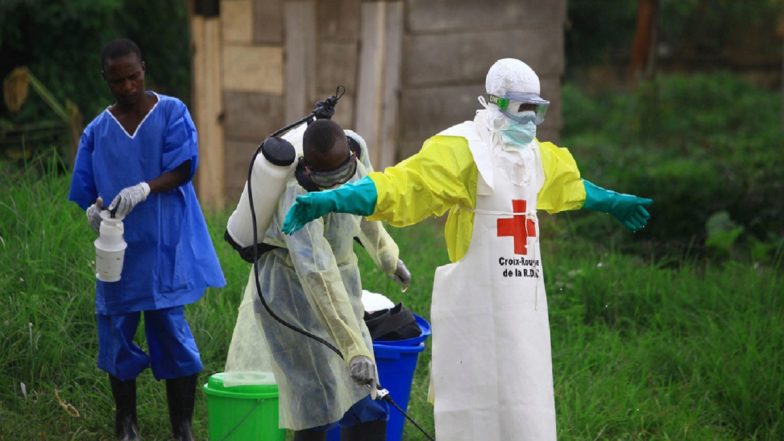
The Bundibugyo virus disease (BVD) outbreak in the Democratic Republic of the Congo (DR Congo) has become the country's largest Ebola outbreak on record, according to the latest update from the World Health Organization (WHO). As of 30 July 2026, authorities have confirmed 3,605 cases and 1,587 deaths, with the virus spreading across five provinces and affecting 49 health zones.
WHO said the outbreak continues to intensify, citing sustained transmission, expanding geographic spread and persistently high mortality. During the latest reporting week alone, 567 new cases and 296 deaths were recorded—the highest weekly totals since the outbreak began. The agency warned that insecurity, population displacement and cross-border movement are complicating containment efforts. Congo Ebola Outbreak Kills 930, No Approved Vaccine as Crisis Escalates.
Ebola Outbreak Expands Across Five Provinces
Initially confined to the Mongbwalu health zone in Ituri Province, the outbreak has expanded over the past two months to North Kivu, South Kivu, Haut-Uélé and Tshopo.
Of the 49 affected health zones, 33 remain actively reporting cases, with Ituri accounting for 88% of all confirmed infections (3,176 cases) and 82.6% of all reported deaths (1,311 deaths) nationwide. Rare Type of Ebola Detected in Congo: Shortage of Masks and Delayed Detection Trigger Panic.
WHO noted that the outbreak has now surpassed the country's previous largest Ebola epidemic between 2018 and 2020, which recorded 3,317 confirmed cases.
Cases and Deaths Continue to Rise
Since the WHO's previous update on 17 July, DR Congo has reported an additional 1,481 confirmed cases and 759 deaths. The organisation said the increase reflects both expanded surveillance and laboratory testing, as well as continued transmission of the virus.
Overall, 651 patients have recovered in DR Congo, while 17,863 contacts have been identified for monitoring across affected provinces.
Health Workers Among Those Infected
WHO reported that 151 healthcare workers have contracted the virus during the outbreak, including 44 deaths and 68 recoveries.
The agency said these infections highlight ongoing challenges in infection prevention and control within healthcare facilities, as well as continued exposure risks in affected communities.
Humanitarian Crisis Complicates Response
The outbreak is unfolding in a region affected by conflict, displacement and limited access to healthcare, food and clean water.
WHO said attacks on health facilities and insecurity have disrupted surveillance and response operations, making it more difficult to identify cases and prevent further transmission.
The organisation stressed that stronger community engagement and locally led response efforts remain critical to controlling the outbreak.
Uganda Declares Its Outbreak Over
While DR Congo continues to battle the outbreak, Uganda officially declared an end to its Bundibugyo virus outbreak on 28 July, after completing 42 consecutive days without a locally transmitted confirmed case.
WHO said it will continue monitoring Uganda for another 42 days following the discharge of the country's most recent imported case on 16 July, while warning that the risk of new imported infections remains because of ongoing transmission in neighbouring DR Congo.
What Is Bundibugyo Virus Disease?
Bundibugyo virus disease is a severe form of Ebola disease caused by the Bundibugyo virus, one of the Orthoebolavirus species.
The virus is believed to originate in fruit bats and spreads to humans through contact with infected wildlife before transmitting from person to person through direct contact with blood or other bodily fluids.
Symptoms include fever, fatigue, muscle pain, headache and sore throat before progressing to gastrointestinal illness, organ dysfunction and, in some cases, haemorrhagic symptoms. The incubation period ranges from two to 21 days.
WHO noted that there are currently no approved vaccines or specific treatments for Bundibugyo virus disease, making early detection, isolation, contact tracing and safe burial practices essential for controlling outbreaks.
WHO Says Global Risk Remains Low
WHO has assessed the outbreak risk as very high within DR Congo, high in Uganda and neighbouring countries sharing land borders, and low for the rest of Africa and globally.
The organisation has advised against any travel or trade restrictions involving affected countries but called for strengthened surveillance, cross-border coordination and preparedness to limit further spread.
WHO added that an updated risk assessment will be reviewed ahead of the International Health Regulations (IHR) Emergency Committee meeting scheduled for 18 August.
(The above story first appeared on LatestLY on Aug 02, 2026 02:07 PM IST. For more news and updates on politics, world, sports, entertainment and lifestyle, log on to our website latestly.com).