'Cyclone Arnab' Myth Busted: Know Why the Bay of Bengal Weather System Is Actually a Deep Depression
Despite social media rumours dubbing it 'Cyclone Arnab', the IMD clarified that the Bay of Bengal system is officially a deep depression since its winds haven't crossed the 63 km/h cyclonic threshold. 'Arnab' remains the next queued name on the pre-assigned regional tropical cyclone master list maintained by the WMO/ESCAP panel.

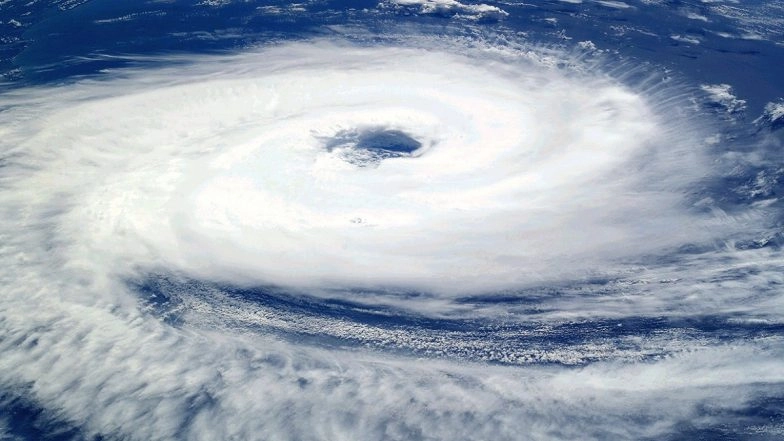
Social media feeds and digital headlines have been abuzz with unverified warnings about a weather system dubbed "Cyclone Arnab" barreling toward India's eastern coast. However, the India Meteorological Department (IMD) has confirmed that no storm named Cyclone Arnab exists in the Bay of Bengal. IMD has been referring to the system as a "Deep Depression" in its social media posts and press releases.
Why 'Cyclone Arnab' Does Not Even Exist
The weather system currently impacting the region is scientifically classified by meteorologists as a deep depression rather than a full-fledged tropical cyclone. While the system brings heavy deluges and gusty winds to Odisha, Andhra Pradesh, and West Bengal, it has not met the strict meteorological thresholds required to earn an official cyclone name. Cyclone Arnab Live Tracker Map on Windy: Deep Depression Nears Odisha-Andhra Coast, Landfall Tonight.
Landfall Process Will Continue for Next 2 Hours, Says IMD
The Deep Depression over Westcentral & adjoining Northwest Bay of Bengal, moved northwestwards with a speed of 5 kmph during past 06 hours, and lay centred at 2330 hrs IST of yesterday, the 23rd September, 2026, over north Andhra Pradesh coast near latitude 18.2°N and longitude… pic.twitter.com/EbofyDOWO7
— India Meteorological Department (@Indiametdept) September 23, 2026
The distinction comes down to specific wind speed parameters:
- Depression: Maximum sustained surface winds range between 31 and 50 km/h.
- Deep Depression: Maximum sustained surface winds reach between 52 and 61 km/h.
- Cyclonic Storm: Surface winds must cross the mandatory threshold of 63 km/h (34 knots) or higher with four or more closed isobars.
Because the system remained capped at deep depression strength during its landfall process near Kalingapatnam between Visakhapatnam and Gopalpur, meteorologists could not officially assign it a name. The moniker "Arnab", meaning "ocean" in Bengali and contributed by Bangladesh, is simply the next available name on the pre-assigned regional tropical cyclone master list maintained by the WMO/ESCAP panel, keeping it parked at the top of the queue for a future system that crosses the intensity threshold.
Ground Impact and Regional Alerts
Despite the absence of an official cyclone title, the deep depression has delivered severe weather conditions, prompting widespread emergency precautions across the eastern seaboard:
- Administrative Closures: State governments in Odisha and Andhra Pradesh ordered the temporary closure of schools, colleges, and Anganwadi centres across multiple affected districts.
- Evacuations: Local authorities relocated thousands of vulnerable residents from low-lying areas and vulnerable slopes to designated cyclone shelters.
- Emergency Deployment: State Disaster Response Force (SDRF) teams and district administrations remain on high alert to manage potential flash floods, waterlogging, and transport disruptions triggered by persistent heavy downpours. When Will Cyclone Arnab Make Landfall and Which States Will Be Worst Affected?
Weather authorities continue to advise the public to rely strictly on official IMD wind and rainfall alerts rather than speculative social media storm labels, emphasising that severe hazards can occur even below formal cyclone classifications.
(The above story first appeared on LatestLY on Sep 24, 2026 07:36 AM IST. For more news and updates on politics, world, sports, entertainment and lifestyle, log on to our website latestly.com).