Air India Phuket-Delhi Flight Lost All 3 Hydraulic Systems Before 300-Foot Plunge, Airbus Finds
An initial assessment by Airbus into the August 4 Air India AI2379 incident has found that the aircraft briefly lost hydraulic pressure across all three of its independent hydraulic systems, causing a temporary loss of response from key flight-control surfaces.

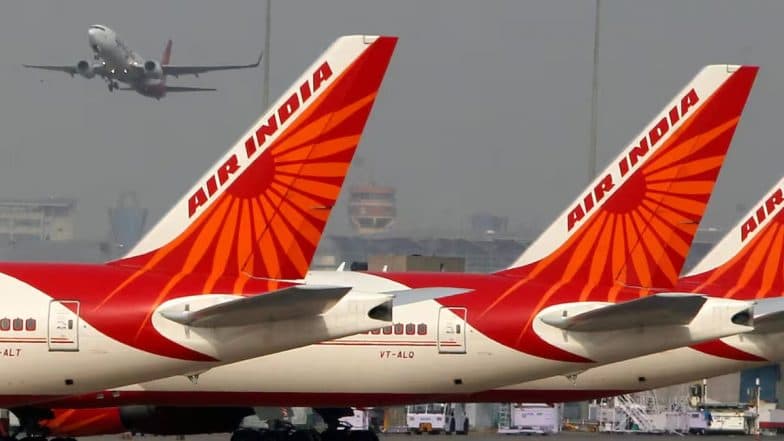
An initial assessment by Airbus into the August 4 Air India AI2379 incident has found that the aircraft briefly lost hydraulic pressure across all three of its independent hydraulic systems, causing a temporary loss of response from key flight-control surfaces. The Airbus A320neo, registered as VT-EXO, was flying from Phuket to Delhi when it suddenly lost around 300 feet of altitude during the cruise phase, injuring at least 24 passengers and crew members, some of whom reportedly suffered spinal injuries after being thrown around the cabin. The Directorate General of Civil Aviation has classified the incident as a serious one.
All Three Hydraulic Systems Lost Pressure Simultaneously
According to an analysis of flight data reviewed by Airbus, the aircraft experienced a simultaneous loss of hydraulic pressure in its Green, Blue and Yellow systems, reports said. Hydraulic systems are critical to the operation of several primary flight-control surfaces on Airbus fly-by-wire aircraft, including the elevators and ailerons.
Preliminary findings indicate that all three systems briefly lost pressure at the same time, resulting in a roughly four-second period during which the flight-control surfaces did not respond normally to pilot inputs. The loss of control occurred while the aircraft was cruising at altitude. Air India Phuket-Delhi Flight Turbulence: Airline To Screen All Pilots for Drugs.
Autopilot Disconnected As Aircraft Pitched Up
As the aircraft began pitching upwards, its autopilot automatically disconnected. With the flight controls initially failing to respond, the First Officer, who was flying the aircraft at the time, applied full nose-down input in an attempt to regain control.
The flight-control surfaces subsequently became responsive again as hydraulic pressure returned, allowing the pilots to stabilise the aircraft and continue the flight to Delhi. The aircraft's sudden descent of about 300 feet is believed to have been part of the crew's effort to recover control of the jet. However, the rapid manoeuvre created a negative-G environment inside the cabin, causing passengers and crew who were not restrained by seat belts to be lifted from their seats and thrown around the aircraft. Air India Phuket-Delhi Flight Turbulence: Captain Fails Post-Flight Dope Test, Airline Issues Statement as DGCA Probes Incident.
Investigators Probing Cause Of Hydraulic Failure
Investigators are now trying to determine why all three hydraulic systems appeared to lose pressure simultaneously. The investigation is examining whether the event was caused by an actual mechanical failure or whether faulty sensors, wiring or other electrical issues generated misleading warnings in the cockpit.
Airbus has sought detailed accounts from the pilots to establish exactly what warnings and instrument indications they saw during the incident. The Aircraft Accident Investigation Bureau is leading the investigation, with technical assistance from Airbus and France's Bureau of Enquiry and Analysis for Civil Aviation Safety under international aviation investigation procedures. The final cause of the incident has not yet been established.
Pilot Drug Test Adds Another Layer To The Probe
The investigation has also drawn attention to the results of mandatory post-flight psychoactive substance testing of the crew. According to officials, the Pilot-in-Command tested positive for marijuana in a confirmatory laboratory test. The captain has reportedly told investigators that he had been taking prescribed medication for sleep-related difficulties. Both the captain and the First Officer have been removed from flying duties while the investigation continues, with these findings being examined separately from the technical investigation into the aircraft's flight-control systems.
Air India Orders Screening Of All Pilots
Following the incident, Air India has begun mandatory screening of its entire pilot workforce of around 5,000 pilots for unauthorised substances. The Ministry of Civil Aviation is also reviewing the existing Civil Aviation Requirements governing drug and psychoactive-substance testing among aviation personnel. The review could result in more frequent random testing and tougher penalties for personnel in safety-sensitive roles who violate the rules.
Air India has said it is cooperating with the AAIB investigation and reiterated that passenger safety remains its highest priority. The investigation into both the aircraft malfunction and the crew-related findings is continuing.
(The above story first appeared on LatestLY on Aug 14, 2026 10:46 AM IST. For more news and updates on politics, world, sports, entertainment and lifestyle, log on to our website latestly.com).