Good News for Ration Card Holders: Centre Announces 3-Month Grain Distribution in April 2026. Check Details
The Department of Food and Public Distribution has announced that ration card holders across India will receive three months’ worth of food grains in April 2026. Under this decision, beneficiaries will be given supplies for April, May, and June in a single distribution through fair price shops.

- Read in
- हिंदी
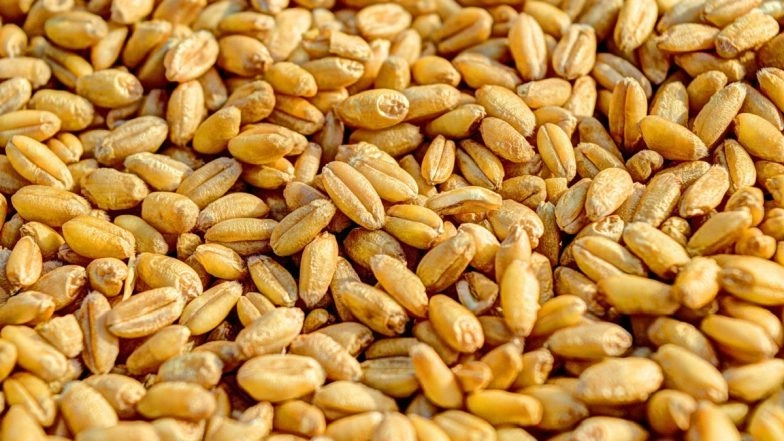
Mumbai, March 21: The Department of Food and Public Distribution has announced that ration card holders across India will receive three months’ worth of food grains in April 2026. Under this decision, beneficiaries will be given supplies for April, May, and June in a single distribution through fair price shops. The move is expected to benefit millions of families relying on subsidised food under the Public Distribution System (PDS).
This one-time bulk distribution is part of the central government’s ongoing efforts to improve efficiency in food grain delivery. Beneficiaries can collect their allocated grains at their convenience within the specified timeframe, reducing the need for monthly visits to ration shops. 8th Pay Commission Extends Questionnaire Deadline to March 31, 2026: What It Means for Government Employees and Pensioners.
Good News For Ration Card Holders: Bulk Distribution to Streamline Supply
Officials said the decision aims to simplify logistics and ensure uninterrupted access to essential food items. Instead of monthly disbursements, eligible households will receive the cumulative quota of wheat and rice for three months in one go.
State governments have been directed to implement the distribution smoothly and ensure that beneficiaries are informed about collection schedules. Authorities have also urged recipients to visit their designated fair price shops within the given period. How To Complete Ladki Bahin Yojana E-KYC Correction Online Before March 31.
While no formal reason has been officially detailed, the move is linked to upcoming wheat procurement operations. The central government is expected to procure fresh wheat stocks in the coming weeks.
To accommodate this, states were instructed earlier to lift food grains in advance from central reserves. Clearing existing stock from warehouses will create space for new procurement, helping maintain supply chain efficiency.
Digital Reforms Strengthen PDS Delivery
The government highlighted significant improvements in the Public Distribution System through digitisation. The use of electronic Point of Sale (ePOS) machines and Aadhaar-based authentication has enhanced transparency.
According to officials, more than 99 percent of beneficiaries are now Aadhaar-linked. These reforms have helped reduce leakages and ensure that subsidies reach intended recipients. In 2025, over 41 lakh ration cards were cancelled after verification drives removed ineligible beneficiaries from the system.
Relief for Beneficiaries, Caution for States
The bulk distribution is expected to provide convenience and financial relief, especially for low-income households in both rural and urban areas. Fewer visits to ration shops could also reduce time and travel costs for beneficiaries.
However, the Centre has advised states to remain vigilant during implementation to prevent crowding, delays, or supply disruptions. Beneficiaries are encouraged to contact local ration offices or district supply departments for detailed information.
(The above story first appeared on LatestLY on Mar 21, 2026 10:25 AM IST. For more news and updates on politics, world, sports, entertainment and lifestyle, log on to our website latestly.com).