H-1B, Green Card Changes From August: Know How Proposed Changes May Impact Indians
The Trump administration’s 2026 regulatory agenda proposes tighter US immigration rules. Key changes target H-1B visas, student status, and work permits, potentially impacting many Indians. While not yet law, the measures could increase employer costs, scrutiny, and uncertainty for students and professionals. The proposals remain subject to formal rulemaking processes.

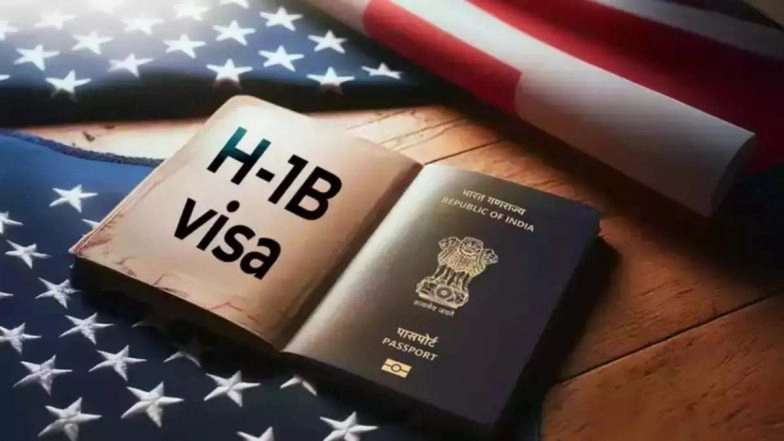
The U.S. federal government has released its 2026 Unified Regulatory Agenda, signalling a series of potential immigration policy shifts that could significantly affect foreign professionals, students, and their employers. These proposed measures, outlined by the Departments of Homeland Security (DHS), Labour (DOL), and State, reflect a continued focus on tightening eligibility criteria, increasing employer compliance burdens, and implementing stricter oversight across several major visa categories.
Indians, who represent one of the largest immigrant groups in the United States - including a significant portion of H-1B visa holders, employment-based Green Card applicants, and international students - are expected to be among those most affected by these potential changes. While these plans reveal the administration's current priorities, it is important to note that they are not yet final law. They must proceed through the formal federal rulemaking process, which includes publication, public comment periods, and potential legal review, before any changes can be implemented. Indian H-1B Workers May Be Affected as US Bill Seeks to End Green Card Route and Scrap OPT Programme.
Proposed Changes to the H-1B Program
The DHS is expected to publish a proposed rule in August aimed at tightening the H-1B visa program, which facilitates the employment of foreign professionals in specialised fields.
- Third-Party Placement: The proposal seeks to increase scrutiny of employers that place H-1B workers at third-party client sites - a model frequently used by Indian IT and consulting firms. Employers may be required to provide stronger evidence of a genuine employer-employee relationship and demonstrate that workers are performing speciality occupation duties at client locations.
- Compliance and Fees: Companies with a history of H-1B program violations could face tougher reviews for future petitions. Additionally, the DHS plans to expand an existing supplemental fee for large employers, applying it to visa extension applications in addition to initial petitions.
Adjustments to Green Card and Labour Certification
The Department of Labour is planning revisions to the prevailing wage levels utilised for H-1B and PERM labour certification cases. Under the proposal, entry-level wage thresholds could rise from the 17th percentile to the 34th percentile, potentially increasing the minimum salary employers must offer to sponsor foreign nationals. Further updates are expected for the PERM labour certification process, a critical step in employment-based Green Card applications. These updates may include revised recruitment standards, new rules concerning the layoff of U.S. workers, and strengthened anti-discrimination requirements.
Impacts on International Students and H-4 Spouses
International students and certain visa holders also face potential changes to their legal status in the US.
- Duration of Status: The DHS is moving to replace the "duration of status" system - which allows students and exchange visitors to remain in the U.S. for the length of their programs—with fixed periods of admission. Once these periods expire, individuals would need to file for extensions to remain in the country.
- Work Authorisation: The administration is also preparing to finalise a rule that would end automatic extensions of Employment Authorisation Documents (EADs). This shift could lead to potential work gaps for H-4 visa holders, many of whom are Indians and spouses of H-1B workers, as renewal processing times may exceed the expiration of their current permits.
Immigration attorney Mitch Wexler of the firm Fragomen described the regulatory agenda as a "roadmap" of the administration's goals. As these proposals move forward, foreign nationals and U.S. employers are advised to monitor official government publications and consult with qualified legal counsel to understand the implications for their specific circumstances.
(The above story first appeared on LatestLY on Jul 09, 2026 08:54 PM IST. For more news and updates on politics, world, sports, entertainment and lifestyle, log on to our website latestly.com).