H1B Visa: US May End 60-Day Grace Period After Job Loss, Indian Workers Could Be Hit Hard
A proposed regulatory change by the U.S. Department of Homeland Security (DHS) to eliminate the 60-day grace period for foreign workers following job loss has drawn sharp warnings from immigration experts, legal scholars, and corporate advocacy groups.

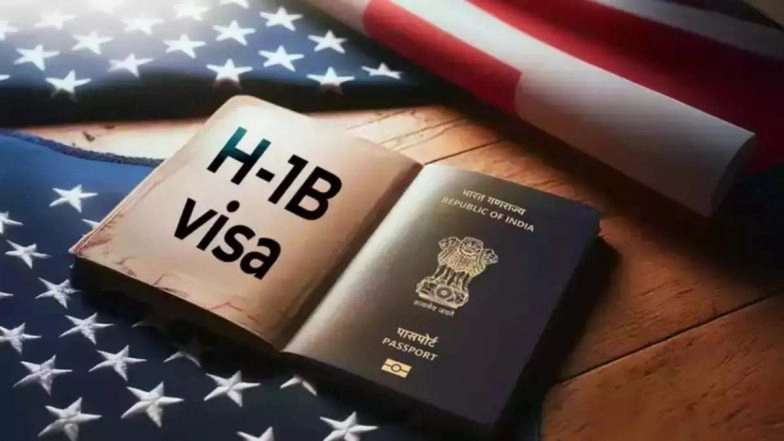
A proposed regulatory change by the U.S. Department of Homeland Security (DHS) to eliminate the 60-day grace period for foreign workers following job loss has drawn sharp warnings from immigration experts, legal scholars, and corporate advocacy groups. Critics warn the proposed rule-titled "Eliminating the Discretionary 60-day Grace Period" (RIN 1615-AD22)-would trigger immediate loss of legal status upon termination, leading to widespread human displacement and a severe loss of highly skilled global talent, particularly affecting professionals from India.
The proposal was recently submitted to the White House Office of Information and Regulatory Affairs (OIRA) within the Office of Management and Budget (OMB) for federal review. If approved and published in the Federal Register, it would undergo a public comment period before any final regulation is enacted. H-1B Visa Holders Face Tougher US Immigration Rules Amid Policy Shifts: Report.
What the Proposed Rule Changes
Under current federal regulations established in 2017, principal foreign workers in nonimmigrant categories—including H-1B, L-1, O-1, TN, E-1, E-2, and E-3—are granted a buffer of up to 60 consecutive days (or until their authorized period of stay expires) when employment ends. This window gives individuals time to secure new employment sponsorship, apply for a change of status, or make orderly arrangements to leave the country with their families.
If the grace period is abolished, an employee whose job ends unexpectedly would immediately fall out of lawful status. Affected workers would generally lose the ability to transfer employers or change visa categories from within the United States, forcing them to depart the country almost instantly unless explicitly granted discretionary relief by U.S. Citizenship and Immigration Services (USCIS).
Severe Impact on Indian Professionals
The proposed measure would heavily impact Indian nationals, who form the majority of America's specialized foreign workforce. According to USCIS data, Indian professionals account for approximately 71% of all approved H-1B visa beneficiaries. How Will Donald Trump’s Proposed H-1B and L-1 Visa Fee Hike Affect Indian Professionals?.
Because Indian workers routinely face decades-long backlogs for employment-based permanent residency (green cards), many remain dependent on the H-1B status for prolonged periods. Without a post-layoff grace period, sudden tech sector downsizing or corporate restructuring could uproot thousands of long-term residents with established homes, school-aged children, and financial obligations overnight.
Human Displacement and Talent Retention Concerns
Immigration attorneys and policy analysts emphasize that 60 days is already a tight timeline to navigate corporate hiring cycles, background checks, and visa petition filings. Removing the cushion entirely shifts massive leverage to employers and introduces acute instability for foreign professionals.
"The 60-day grace period gives H-1B workers a critical window to find a new employer and continue the lives they have built in the United States," noted immigration attorney Ana Gabriela Urizar in a statement on the proposal. "Without that grace period, an unexpected layoff doesn't simply mean losing a job—it could immediately put a family's ability to remain in the country into question."
Business groups and tech advocates warn that making foreign talent feel inherently temporary will diminish the competitiveness of American industries. Highly sought-after engineers, researchers, and technical specialists may choose competing innovation hubs—such as Canada, the United Kingdom, or Germany—where immigration pathways after employment changes are more predictable.
Next Steps in the Regulatory Process
The administration’s proposal remains under active review by the OMB and has not yet taken effect. Legal experts emphasize that foreign workers retain their current 60-day grace period protections while the rule undergoes review. Once OIRA completes its evaluation, DHS is expected to publish a Notice of Proposed Rulemaking in the Federal Register. That step will open a formal public comment window—typically lasting 30 to 60 days—allowing corporate stakeholders, legal advocacy organizations, and individual workers to submit feedback before any final determination is made.
(The above story first appeared on LatestLY on Aug 09, 2026 11:39 PM IST. For more news and updates on politics, world, sports, entertainment and lifestyle, log on to our website latestly.com).