How To Apply for EV Subsidy in Delhi?
Delhi launched its EV Subsidy Portal on July 3 under the new EV Policy 2026. Buyers get up to INR 30,000 for two-wheelers, INR 50,000 for three-wheelers, and INR 1 lakh for e-trucks. Cars up to INR 30 lakh get lifetime road tax and registration waivers. Apply online within 30 days of purchase.

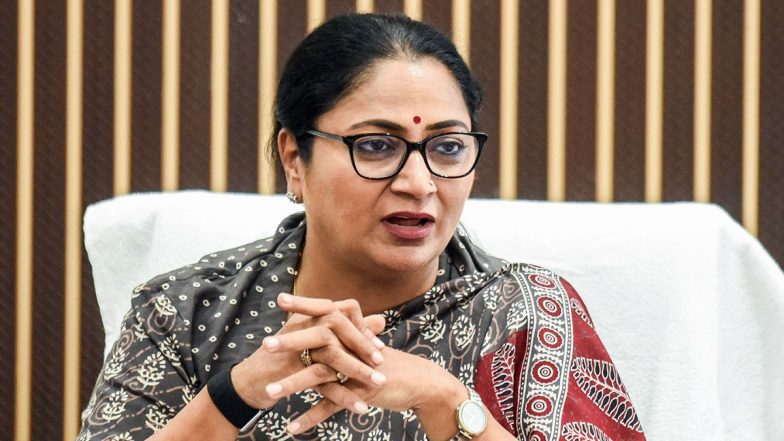
New Delhi, July 5: Delhi Chief Minister Rekha Gupta launched the Delhi Electric Vehicle (EV) Subsidy Portal on July 3, giving residents an online route to claim incentives under the newly notified Delhi EV Policy 2026. The policy, which came into effect on July 1, offers purchase incentives, scrapping benefits, and tax exemptions aimed at cutting vehicular pollution, which officials say accounts for nearly 23 percent of the city's total pollution load.
What The Subsidy Covers
Under the policy, buyers of electric two-wheelers are eligible for a purchase incentive of up to INR 30,000, while electric three-wheeler buyers can claim up to INR 50,000. The three-wheeler incentive is structured in phases: INR 50,000 in the first year, INR 40,000 in the second, and INR 30,000 in the third, applicable to both new vehicles and CNG auto replacements. Delhi CM Rekha Gupta Announces Launch of 'Swachh Hawa, Swasth Delhi' Project in Delhi with World Bank Support.
For N1-category electric goods vehicles, or light commercial e-trucks, incentives go up to INR 1 lakh in the first year, tapering to INR 75,000 in the second and INR 50,000 in the third.
Private electric cars do not get a direct purchase incentive. However, all electric cars registered in Delhi with an ex-showroom price up to INR 30 lakh are fully exempt from road tax and registration fees for life. Delhi CM Rekha Gupta Launches Green Drive Portal Under 'Ek Ped Maa Ke Naam' Campaign.
Scrapping Incentives For Older Vehicles
The policy also rewards owners who scrap an old internal combustion engine (ICE) vehicle while switching to an EV. Owners of BS-IV and older cars who buy an electric car after scrapping their existing vehicle can claim a scrapping incentive of up to INR 1 lakh, on top of the road tax and registration fee waivers.
Scrapping incentives are also available for two-wheelers and three-wheelers, though the amounts vary depending on the vehicle category.
How To Apply
The subsidy portal is entirely digital and paperless. Applicants can upload documents such as Aadhaar, the vehicle's Registration Certificate (RC), and Voter ID online, while institutions applying for incentives can submit GSTIN, PAN, and bank account details through the same platform.
Applications must be submitted within 30 days of purchasing the vehicle. Once documents are verified, the subsidy amount is credited directly to the applicant's bank account through Aadhaar-linked Direct Benefit Transfer (DBT), with a maximum processing window of 60 days.
The portal also functions as a single information hub, listing eligibility criteria, approved EV models, category-wise subsidy amounts, and the required documents for each type of applicant.
What The Policy Does Not Cover
The policy excludes hybrid vehicles entirely; no subsidy, road tax exemption, or registration relief is available for them. Vehicles bought using government incentives also cannot be transferred and re-registered in another state for the first three years, a condition meant to prevent quick resale outside Delhi.
Broader Targets And Investment
Chief Minister Gupta said the government expects the EV Policy 2026 to draw close to INR 15,000 crore in investment over the next four years, alongside plans to expand public charging and battery-swapping infrastructure across the city. Delhi Transco Limited has been named the nodal agency for building this infrastructure, and a single-window approval system is planned to speed up permissions for charging station operators.
The policy also sets phased deadlines for phasing out fossil-fuel vehicles: from January 1, 2027, only electric auto-rickshaws will be allowed new registration in Delhi, and from April 1, 2028, new petrol and CNG two-wheeler registrations will stop, leaving only electric two-wheelers eligible.
The broader goal, officials said, is to move Delhi toward cleaner transport and cut vehicle-related pollution by March 31, 2030.
(The above story first appeared on LatestLY on Jul 05, 2026 11:37 PM IST. For more news and updates on politics, world, sports, entertainment and lifestyle, log on to our website latestly.com).