Mumbai Auto, Taxi Fare Hike Starts Today: New Fares Kick In Across MMR From September 1
Mumbai auto and taxi price hike starts today, September 1, with revised fares coming into effect across the Mumbai Metropolitan Region. The minimum autorickshaw fare rises from INR 26 to INR 27, while the starting black-and-yellow taxi fare increases from INR 31 to INR 33. New tariff cards will apply until vehicle meters are recalibrated by November 30.

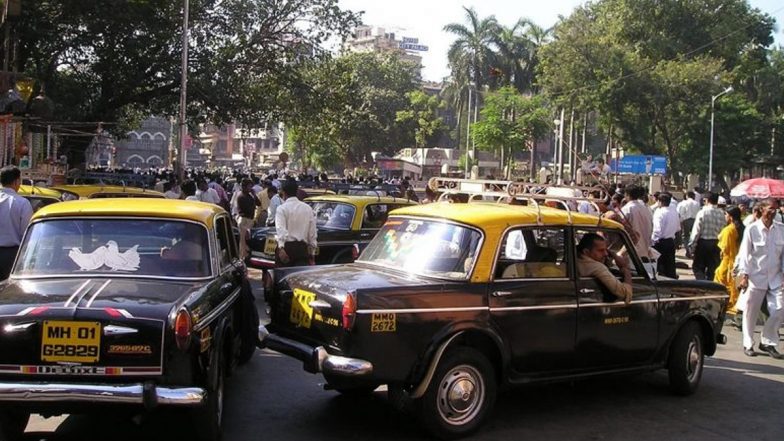
Mumbai commuters will pay more for autorickshaw and black-and-yellow taxi rides as the latest price hike starts today, September 1. The Mumbai Metropolitan Region Transport Authority (MMRTA) has approved revised fares, increasing the minimum autorickshaw fare from INR 26 to INR 27 and the minimum black-and-yellow taxi fare from INR 31 to INR 33.
The revised fares take effect from midnight on September 1, with the new rates applicable across Mumbai and the wider Mumbai Metropolitan Region (MMR), including Thane, Navi Mumbai, Mira-Bhayander, Kalyan and other areas, Times of India reported. Since electronic meters will take time to be recalibrated, passengers will initially use approved tariff cards to calculate fares. Mumbai Auto, Taxi Fare Hike From September 1, 2026: Autos To Cost INR 27, Taxis INR 33; Check Full Rate Chart.
New Auto And Taxi Fares From September 1
Under the revised fare structure, an autorickshaw passenger will pay INR 27 for the first 1.5 km, compared with INR 26 previously. The subsequent fare will be INR 18.22 per km. For black-and-yellow taxis, the minimum fare for the first 1.5 km rises to INR 33 from INR 31. The subsequent fare will be INR 21.90 per km.
| Vehicle | Existing Minimum Fare | New Minimum Fare | Subsequent Fare |
|---|---|---|---|
| Autorickshaw | INR 26 | INR 27 | INR 18.22/km |
| Black-and-yellow taxi | INR 31 | INR 33 | INR 21.90/km |
The fare revision will apply across the MMR from September 1. Mumbai Latest News Today on September 1st, 2026: Anna Hazare Hospitalised, Transport Fares Up & Voter Roll Changes.
How Much Will Common Journeys Cost?
The increase will affect both short and longer journeys. A 2-km autorickshaw ride will cost INR 36, compared with INR 34 earlier. A 5-km autorickshaw journey will cost INR 91 instead of INR 86.
For black-and-yellow taxis, a 2-km journey will rise to INR 44 from INR 41, while a 5-km ride will cost INR 110, compared with INR 103 previously. For a 10-km journey, the revised fare works out to INR 182 for an autorickshaw, compared with INR 171 earlier. A 10-km taxi journey will cost INR 219, up from INR 207.
Tariff Cards To Be Used Until Meters Are Recalibrated
The revised fares will begin from September 1 even though electronic meters will not be reset immediately. The transport department has given auto-rickshaw and taxi owners until November 30 to recalibrate their meters. The process is expected to take place in phases.
Until a vehicle's meter is recalibrated, passengers will use the revised tariff card to determine the fare. Transport officials have advised commuters to ask drivers for the approved tariff card or keep a copy available to check the applicable amount.
Shared Auto And Taxi Fares Also Revised
The fare revision also covers shared rides. The minimum shared-auto fare will increase by INR 1 to INR 12, while the minimum shared-taxi fare will also rise by INR 1 to INR 11.
Waiting charges will range between INR 1 and INR 2 per minute, depending on the distance covered. For AC black-and-yellow taxis, passengers will pay 10% more than the basic black-and-yellow taxi fare. A 25% additional charge will continue to apply to journeys between midnight and 5 am.
Why Are Auto And Taxi Fares Increasing?
Transport unions have argued that operating costs have increased significantly in recent years, citing fuel, vehicle maintenance, insurance premiums and permit-related expenses.
Mumbai Rickshawmen’s Union leader Thampy Kurien said the fare revision proposal was based on representations highlighting higher expenses on:
- Fuel
- Vehicle maintenance
- Insurance premiums
- Permit-related costs
Auto and taxi operators have also argued that although passenger demand has recovered, drivers’ earnings have not kept pace with the increase in operating expenses.
An autorickshaw driver pointed to rising CNG prices, which have reached around INR 86 per kg, as another source of pressure on daily earnings.
Taxi Operators Sought Higher Fare Increase
Taxi operators had sought a larger increase than the one ultimately approved.
Fredrick D’Sa of the Mumbai Taximen’s Union said the union had requested the Transport Commissioner’s office to recommend an increase of at least INR 4 in the starting taxi fare.
However, the MMRTA approved an increase of only INR 2, taking the minimum black-and-yellow taxi fare from INR 31 to INR 33.
Transport unions have welcomed the fare increase, describing it as necessary to help drivers cope with rising costs. They have argued that drivers are facing higher fuel, maintenance, insurance and other operational expenses, while their incomes have not increased at the same pace.
The unions had therefore been seeking a revision to ensure that operating autorickshaws and taxis remains financially viable.
Commuters Face Higher Travel Costs
While operators have welcomed the revision, commuter groups have raised concerns about its impact on household budgets.
The increase comes amid broader cost-of-living pressures, with commuters arguing that fare revisions need to balance the financial challenges faced by drivers with the rising cost of daily travel.
For passengers who regularly depend on autos and taxis for short-distance journeys, even a INR 1 or INR 2 increase in the minimum fare could add to monthly commuting expenses.
Mumbai has approximately 3 lakh registered autorickshaws and around 30,000 taxis, making the fare revision significant for a large number of drivers and commuters.
What Commuters Should Know
With the latest MMRTA decision, the minimum autorickshaw fare stands at INR 27 and the starting fare for black-and-yellow taxis at INR 33 from September 1.
The revised fares will apply across the MMR, while tariff cards will remain in use during the meter-recalibration period. Commuters should check the approved tariff card until the new rates are reflected on their vehicle's meter.
(The above story first appeared on LatestLY on Sep 01, 2026 09:24 AM IST. For more news and updates on politics, world, sports, entertainment and lifestyle, log on to our website latestly.com).