RBI's Polymer Currency Notes Trial: What Are Polymer Notes and How Do They Work?
The RBI has launched a global tender to trial polymer currency notes, seeking 68,000 reams of Biaxially Oriented Polypropylene substrate. The initiative, currently in a preliminary phase, aims to test two denominations for durability and security. Bidders face strict geopolitical restrictions regarding operations in China and Pakistan. Bids are due by August 18.

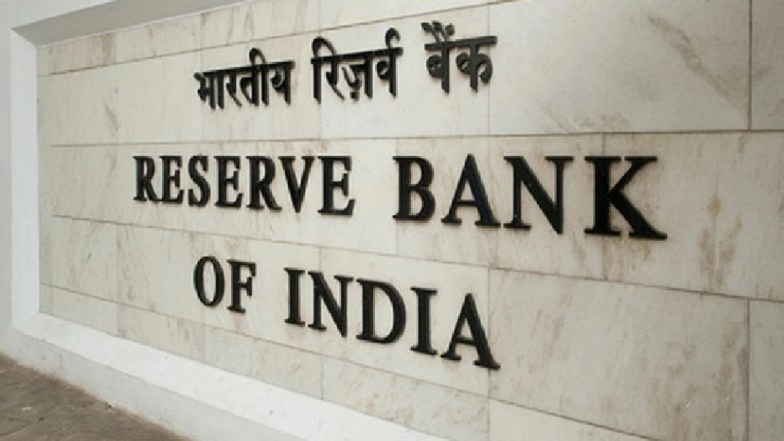
The Reserve Bank of India (RBI) has taken a significant step toward testing polymer-based currency notes. On Friday, July 17, the Bharatiya Reserve Bank Note Mudran Private Limited (BRBNMPL)- a wholly-owned subsidiary of the RBI - floated a global tender to procure polymer sheets for printing banknotes at its own facilities and those of the Security Printing and Minting Corporation of India (SPMCIL).
The tender seeks bids for 68,000 reams of Biaxially Oriented Polypropylene-based Opacified Polymer Substrate. According to the document, 34,000 reams are allocated for each of two different currency denominations, marking a structured trial phase. Interested parties must submit their bids by August 18. Is RBI Switching to Plastic Currency? Global Tender Signals Polymer Note Trial.
What Are Polymer Currency Notes?
Polymer banknotes are made from a synthetic plastic material, typically Biaxially Oriented Polypropylene (BOPP), rather than the traditional cotton-fibre paper. First introduced by Australia in 1988, these notes are now utilised by over 50 countries. They are widely regarded as more durable, cleaner, and more secure than paper currency. Because polymer notes are resistant to moisture and dirt, they can last two to six times longer than paper notes, offering a reduced environmental impact over their lifecycle. Furthermore, they are difficult to counterfeit, as most illicit notes are produced using traditional paper substrates.
Strict Procurement Guidelines
The tender document outlines stringent security requirements for bidders, particularly regarding geopolitical sensitivities. Bidders must ensure that their Indian operations are “suitably firewalled” from any business activities in China or Pakistan. The guidelines further stipulate that no raw materials for the Indian project should be sourced from these two nations. Additionally, bidders are prohibited from employing individuals of Chinese or Pakistani origin, or any staff members who have previously worked in those countries, for the duration of this procurement process.
Moving Toward Modernisation
This development follows comments made by RBI Governor Sanjay Malhotra during the post-monetary policy press conference on June 5, where he confirmed that the proposal for polymer notes was “currently under consideration". At the time, Malhotra noted, “We are examining the pros and cons of it and whether, you know, it will be worthwhile to do it. It is still at a preliminary stage.” The trial arrives at a time when the RBI is managing an immense volume of currency. As of March 31, there were over 17,000 crore pieces of Indian currency in circulation, valued at approximately INR 41 lakh crore. In the 2025-26 fiscal year alone, the central bank spent INR 4,875 crore on printing notes. Additionally, authorities reported an increase in counterfeit detection, with 2.3 lakh fake notes identified last year, compared to 2.17 lakh in the 2024-25 period. Has India's Ministry of Finance Asked RBI and SEBI to Regulate Crypto? Fact Check Calls Claim Misleading.
The tender document emphasises the importance of these initial trials. “The indicative requirement in this EOI is meant for immediate requirement,” the document stated. “Once our field trials is successful, we intend to go for procurement of larger quantity of substrate across different denominations.” The RBI did not provide a comment regarding the specific denominations selected for the trial.
(The above story first appeared on LatestLY on Jul 18, 2026 03:16 PM IST. For more news and updates on politics, world, sports, entertainment and lifestyle, log on to our website latestly.com).