New Tick-Borne Virus ALTNV Identified in Hubei, the Chinese Province Where COVID-19 Emerged
Researchers have discovered a new tick-borne virus, ALTNV, in China that causes flu-like illness, low platelet counts and elevated liver enzymes. Found in 329 patients, the virus was linked to mostly mild illness, but co-infection with Dabie bandavirus led to severe complications and deaths.

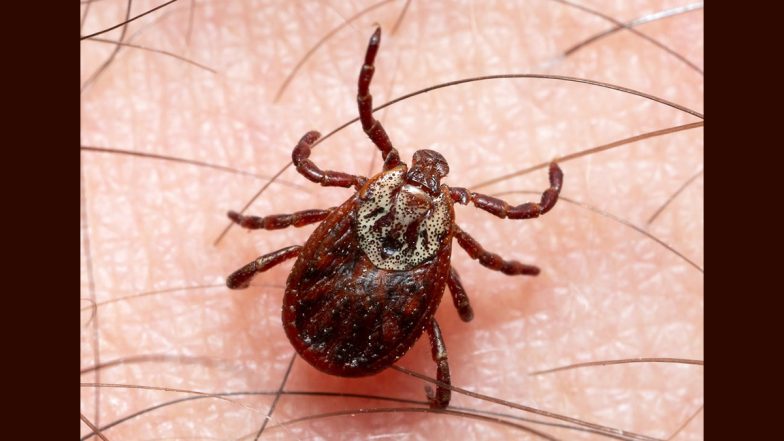
Researchers have discovered a previously unidentified tick-borne pathogen, designated the Asian longhorned tick nairovirus (ALTNV), that has infected hundreds of patients across central and eastern China. The findings, published in the New England Journal of Medicine, reveal that the newly recognised virus causes flu-like illness and low platelet counts, raising new diagnostic challenges in regions where other dangerous tick-borne diseases circulate.
How The Virus Was Discovered
The investigation was led by researchers from the State Key Laboratory of Pathogen and Biosecurity in Beijing. The team initiated the study to resolve a clinical puzzle, as approximately 30 percent of patients exhibiting symptoms of Severe Fever with Thrombocytopenia Syndrome (SFTS), caused by Dabie bandavirus (DBV), routinely tested negative for that pathogen.
To investigate the discrepancy, researchers gathered blood samples from 3,163 patients who sought medical care following tick bites at sentinel hospitals, reported DailyMail. Using advanced RNA sequencing and viral isolation techniques, they discovered that 10.4 percent, or 329 patients, were positive for ALTNV. Among the subgroup of patients who tested negative for DBV, 15.1 percent tested positive for the newly identified virus. Scientists Use AI To Create 16 New Viruses, Experts Warn of Biosecurity Risks.
Symptoms And Clinical Outcomes
Infections involving ALTNV alone typically produced mild to moderate illness. The primary clinical manifestations reported among patients included fatigue in 84 percent of cases, gastrointestinal symptoms in 80 percent, thrombocytopenia or low blood platelet count in 38 percent, and elevated liver enzymes in 36 percent. Patients infected with ALTNV alone recovered fully with supportive care.
However, outcomes differed markedly when patients suffered simultaneous co-infections. Among 38 individuals infected with both ALTNV and DBV, complications were substantially higher, with 84 percent experiencing kidney impairment and 61 percent developing respiratory symptoms. Seven of the coinfected patients, or 18.4 percent, died. Chandipura Virus Outbreak: Causes, Symptoms, Treatment and Prevention As Gujarat, Rajasthan Battle CHPV Surge.
The Vector And Geographic Spread
Genomic analysis classifies ALTNV as an orthonairovirus belonging to the Nairoviridae family. Field surveillance across 15 Chinese provinces, including Hubei, tested more than 47,400 ticks, finding the virus present in 1.3 percent of the arachnids.
The primary carrier was identified as Haemaphysalis longicornis, commonly known as the Asian longhorned tick. In laboratory settings, researchers confirmed that this tick species can successfully transmit ALTNV to animal hosts.
Implications For Global Health And Differential Diagnosis
Health experts emphasise that there is currently no evidence that ALTNV has spread to the United States or outside East Asia. However, the Asian longhorned tick itself is an invasive vector that has established populations across more than 20 US states since 2017, prompting public health agencies to closely monitor potential vector-borne risks.
Because early symptoms of ALTNV closely mirror common seasonal viral illnesses, medical researchers highlighted the need for refined diagnostic panels. Differentiating between various tick-borne pathogens is vital to ensure patients receive appropriate supportive therapies while avoiding unnecessary treatments like antibiotics, which have no efficacy against viral infections.
(The above story first appeared on LatestLY on Sep 09, 2026 09:10 PM IST. For more news and updates on politics, world, sports, entertainment and lifestyle, log on to our website latestly.com).