
Are Mobile Phone Manufacturers Using Recycled DRAM Chips Amid Shortage? Here's What Report Says
Smartphone manufacturers are reportedly using recycled DRAM chips from discarded phones, computers and servers to tackle rising memory costs and supply shortages. The strategy could help Chinese brands maintain affordable handset production, but raises concerns about long-term reliability.

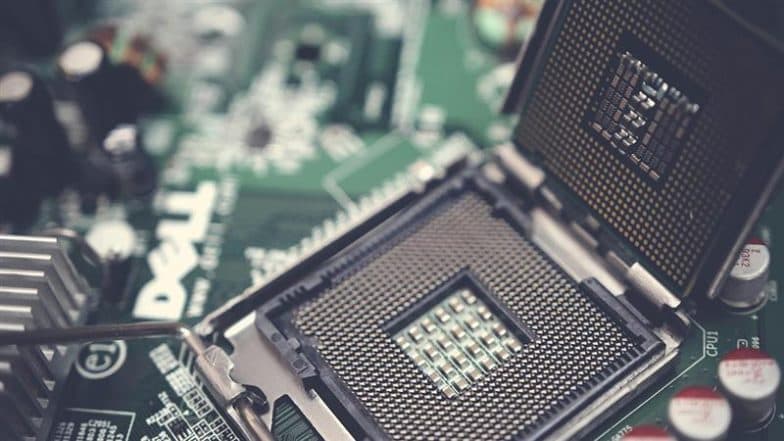
Mobile phone manufacturers are increasingly turning to unorthodox supply chain strategies to maintain production lines as the global memory chip shortage intensifies. Several handset brands have begun utilizing recycled DRAM chips salvaged from discarded electronic devices to cut costs and stabilize output for upcoming budget models.
The industry pivot comes in response to soaring memory component costs and limited manufacturing allocations throughout the year. As per a report by Gizmochina, market intelligence firm Counterpoint Research noted that some Chinese brands have revised their production targets upward after securing steady streams of salvaged semiconductor components. Smartphone Price Hike 2026: Know Why Prices of Mobiles Keep Increasing This Year.
Sourcing and Processing of Recycled Memory Components
The recycled dynamic random-access memory chips are extracted from older smartphones, personal computers, and enterprise servers. Once harvested, these components undergo specialized cleaning, rigorous electrical testing, and sorting processes before being integrated onto new circuit boards destined for affordable mobile handsets.
Industry analysts observe that this practice is currently being deployed selectively for entry-level smartphone tiers where component expenses dictate retail viability. However, experts caution that while initial diagnostic testing eliminates already failing components, the long-term reliability and physical lifespan of salvaged silicon remain uncertain.
Production Challenges and Industry Implications
The shortage of fresh memory inventory stems largely from major semiconductor foundries, including Samsung Electronics and SK Hynix, redirecting production capacity toward high-margin memory modules designed for artificial intelligence servers and high-bandwidth computing applications. This strategic shift leaves consumer electronics manufacturers facing persistent supply constraints. India Smartphone Prices Soar 21% in 2026: Know Why Your Next Phone May Cost More.
Market researchers characterize the adoption of recycled DRAM as a temporary stopgap measure rather than a sustainable industry fix. As component deficits are projected to persist well beyond 2027, consumer advocates stress the importance of transparency regarding hardware composition to manage expectations around device longevity.
(The above story first appeared on LatestLY on Oct 22, 2026 05:07 PM IST. For more news and updates on politics, world, sports, entertainment and lifestyle, log on to our website latestly.com).