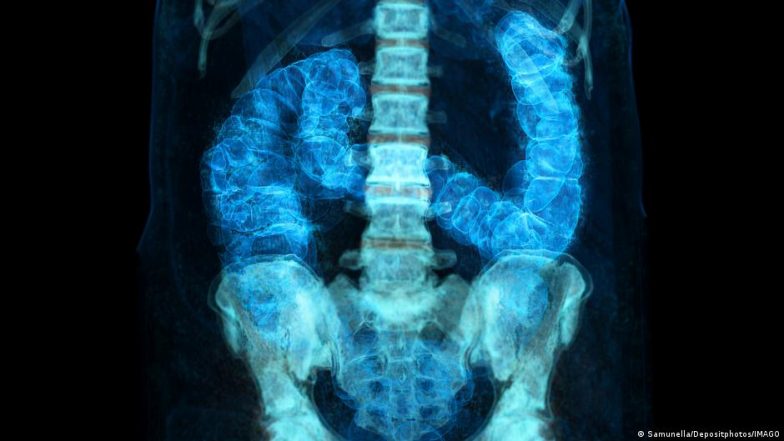
Fatty Food Raises Risk of Colorectal Cancer
Did you know fatty foods can increase production of an acid in your gut that promotes tumor growth? That's on top of all the other health risks linked to fatty foods, like fries and burgers.

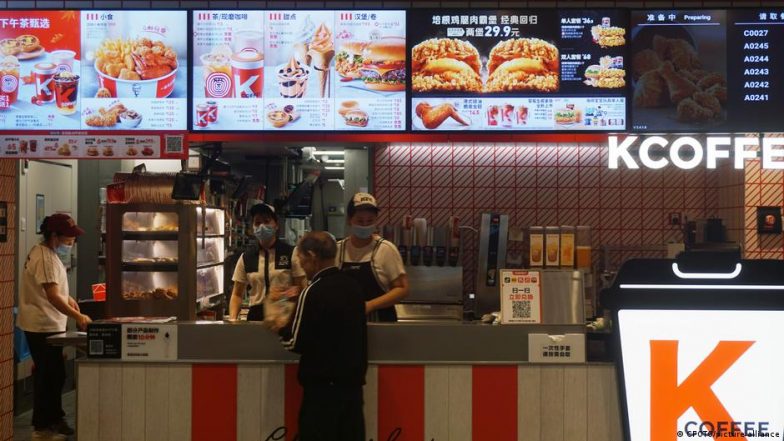
Did you know fatty foods can increase production of an acid in your gut that promotes tumor growth? That's on top of all the other health risks linked to fatty foods, like fries and burgers.The list of health risks associated with foods high in fat and low in fiber is long:
Also Read | Can Childhood Trauma Be Prevented with a Drug?.
low-density lipoprotein cholesterol (LDL) or "bad" cholesterolAlso Read | Perseid Meteor Shower 2026: What Time Is the Peak in India, US and Other Countries?.
clogged arteries
weight gain
heart disease
liver stress
blood sugar spikes
bad digestion
And the list goes on.
Now a team of German researchers has shown how so-called Western diets that are often full of fatty foods can lead to the development of one of the most common — and deadliest — cancers in adults under 50 years of age.
The researchers from the Technical University of Munich, RWTH Aachen and the German Institute of Human Nutrition Potsdam-Rehbrücke (DIfE) found that these unhealthy diets sustain certain gut bacteria that produce a secondary bile acid — which in turn promotes tumor growth.
Their results were published in the August 2026 issue of the journal Gut.
"What's special about our study is that it shows the causality," Annika Osswald, the first author of the study and a PhD student at the German Institute of Human Nutrition, told DW. "Until now, we only knew there was some sort of connection between [a certain] secondary bile acid and colorectal cancer."
How bile acid is linked to colorectal cancer
The fat in the food you eat triggers the production of primary bile acids in your liver. These acids are important ― your body needs them to break down and absorb fats. Most of the primary bile acids are reabsorbed and returned to the liver.
But a small fraction reaches the colon, where certain bacteria convert them into secondary bile acids, including one called deoxycholic acid (DCA). The more fatty foods you eat, the higher the concentration of DCA in your colon. And that's where the problems start.
Osswald and her colleagues tested this in mice in a lab. "At the core of our work to prove causality were the mouse models," Osswald explained.
The research team implanted DCA-producing bacteria into mice whose intestinal microbiome they controlled completely. Then the scientists induced colorectal cancer in these mice, and also in mice without the bacteria. The mice that had DCA-producing bacteria in their gut saw more tumor growth than the mice that didn't have it.
Cell division in the mice with DCA was increased as well. Increased cell division makes it more likely for cancer to develop, because it multiplies the chances of DNA replication errors. These DNA mutations during cell division can stack up and lead to cancer.
To see whether the process they had observed in mice also takes place in humans, the researchers analyzed stool samples from more than a thousand people, both with and without colorectal cancer. Genes of DCA-producing bacteria were found more frequently in people with colorectal cancer.
"Our results show how much a Western high-fat diet and the associated changes in the gut microbiome can affect human gut health," said microbiologist Sören Ocvirk, another author of the study.
Osswald emphasizes that the team's work is foundational, and that more research needs to be done. Still, having proven the causality between more DCA-producing gut bacteria and increased tumor growth points to possible treatments of colorectal cancer as well.
Why it's vital to better understand colorectal cancer
Colorectal cancer is the only cancer for which the mortality rate in people under 50 years has increased in the past few decades. That's according to findings published in the Journal of the American Medical Association in January 2026.
The number of deaths from brain cancer, breast cancer, leukemia and lung cancer all went down in the US from 1990 to 2023. But the number of deaths from colorectal cancer increased by 1.1% annually, starting in 2005. While the US is only one region in the world, it is often considered a sufficient indicator of such trends, especially when it comes to the Western diet.
When detected early, cancer starting in the colon or the rectum is treatable.
But symptoms frequently don't present in the early stages of the disease. And when they do, they may be misinterpreted as indications of less harmful conditions like hemorrhoids or irritable bowel syndrome.
Symptoms for colorectal cancer include:
blood in or on your stool
intermittent or constant diarrhea or constipation
persistent abdominal pain
gas or cramps
feeling bloated
Another obstacle to early detection is that some people may feel embarrassed discussing colorectal health symptoms with their doctor.
So, try not to be embarrassed, talk to your doctor.
How can study results help with treating colorectal cancer?
One option to be considered in the future could be microbiome transplants.
"You could transplant the microbiome of people who have fewer DCA-producing bacteria in their gut into patients with colorectal cancer," Osswald said. "That could potentially slow down tumor growth."
But the best option is to prevent colorectal cancer in the first place. While some people may have a genetic disposition to developing colorectal cancer, a lot is down to lifestyle factors.
Eating healthily, reducing the amount of meat and fatty foods in your diet, and not smoking, are some good ways to decrease your colorectal cancer risk.
Edited by: Zulfikar Abbany
(The above story first appeared on LatestLY on Aug 17, 2026 12:30 PM IST. For more news and updates on politics, world, sports, entertainment and lifestyle, log on to our website latestly.com).