UK Salmonella Outbreak: 259 Cases, 1 Death As Cases Surge 25%; Imported Eggs Suspected
A UK Salmonella outbreak linked to imported eggs has reached 259 confirmed cases in England, with one death reported, according to the latest UKHSA data. Officials say the investigation is ongoing, with cases also identified in six other European countries. The FSA says there is no evidence UK-produced eggs are affected and advises thorough cooking and good food hygiene.

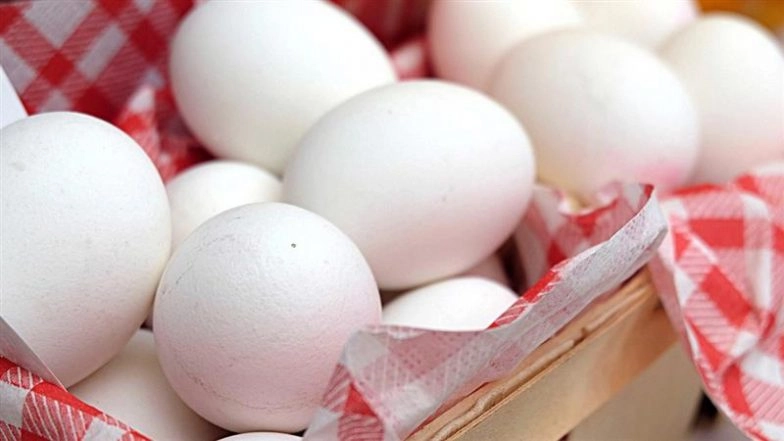
A Salmonella outbreak under investigation in the UK has been linked to 259 confirmed cases in England, with one death associated with the main outbreak cluster, according to the latest figures from the UK Health Security Agency (UKHSA). Investigators say epidemiological and food-chain evidence points to a possible link with eggs imported from outside the UK, although the source of contamination has not yet been definitively identified.
The outbreak involves Salmonella Enteritidis, with UKHSA identifying a sharp increase in cases during 2026. As of August 25, 189 cases in the main cluster had been reported during the preceding four weeks. The agency is investigating three genetically distinct Salmonella Enteritidis clusters in parallel, with available evidence suggesting they could all be associated with imported eggs. Salmonella Outbreak in UK: 1 Death, 207 Cases Linked to Imported Eggs, UKHSA Says; Check Symptoms and Prevention.
Imported Eggs Under Investigation
The Food Standards Agency (FSA) said investigations have identified potential links to eggs imported from outside the UK, mainly used by food service and catering businesses such as restaurants and cafes. There is currently no evidence that UK-produced eggs are affected.
UKHSA said most of the cases in the main cluster were not associated with international travel. Of 114 people interviewed as part of the investigation, 95 reported eating food prepared outside the home in the week before they became ill. Investigators identified five food businesses where at least two independent cases had eaten during the relevant period. Meningococcal Meningitis News: Fact Checks and FAQ on Kent Outbreak.
Food-chain investigations found that those businesses were supplied with eggs from multiple sources, including importers. Eleven of the linked cases reported eating dishes made with eggs, making egg consumption the strongest signal identified so far.
7 European Countries Affected
The outbreak is not limited to the UK. The European Centre for Disease Prevention and Control has reported genetically related cases in Austria, Belgium, Denmark, France, Germany and the Netherlands, alongside the UK. The ECDC has recorded 341 confirmed cases linked to the main outbreak strain between May 2025 and August 2026, with the UK accounting for 61% and the Netherlands for 31%.
UKHSA and its partner agencies are continuing to compare epidemiological, laboratory and food-chain evidence to determine the source and identify measures that could prevent further infections.
Officials Say Public Risk Remains Low
Hannah Charles, Lead Epidemiologist at UKHSA, said: 'We continue to work with the FSA and other public health agencies to investigate these Salmonella clusters in the UK. It's important to emphasise that the overall risk to the general public remains low. Our investigation to date indicates a link to imported eggs, however this investigation remains ongoing. We will continue to follow up cases and investigate any further common sources if they come to light.'
Professor Ian Young, the chief safety adviser to the FSA, added that its safety advice remains the same: 'Eggs that are thoroughly cooked and handled hygienically should not present a food safety risk.'
The FSA has said there is no need to stop eating eggs. Its current advice says UK-produced eggs carrying the British Lion mark or produced under the Laid in Britain scheme remain safe, while people eating out should ensure eggs are thoroughly cooked if they are unsure of their origin.
Who Is Most At Risk?
Salmonella is commonly spread through contaminated food, including eggs, poultry, meat, unpasteurised dairy products and fresh produce. Infection usually causes gastrointestinal symptoms such as diarrhoea, stomach cramps, fever and vomiting and often resolves without treatment.
However, the infection can become serious, particularly in young children, older adults and people with weakened immune systems. It can occasionally spread beyond the gut and enter the bloodstream, potentially causing sepsis and other severe complications.
In the main outbreak cluster, 149 cases had information available on hospitalisation and 41 of those patients, or 27.5%, had been admitted. One death has been associated with the cluster.
Salmonella Cases At Decade High
The current outbreak comes as Salmonella infections remain elevated in England. UKHSA reported 10,406 Salmonella cases in 2025, the highest annual figure recorded in a decade, although the number was only slightly above the 10,389 cases reported in 2024.
The agency has stressed that Salmonella remains a common cause of foodborne illness and continues to urge people to follow basic food hygiene measures. The investigation into the current outbreak remains ongoing. Authorities have not established a definitive source of contamination and say they will continue examining other possible common sources if new evidence emerges.
(The above story first appeared on LatestLY on Aug 27, 2026 04:11 PM IST. For more news and updates on politics, world, sports, entertainment and lifestyle, log on to our website latestly.com).